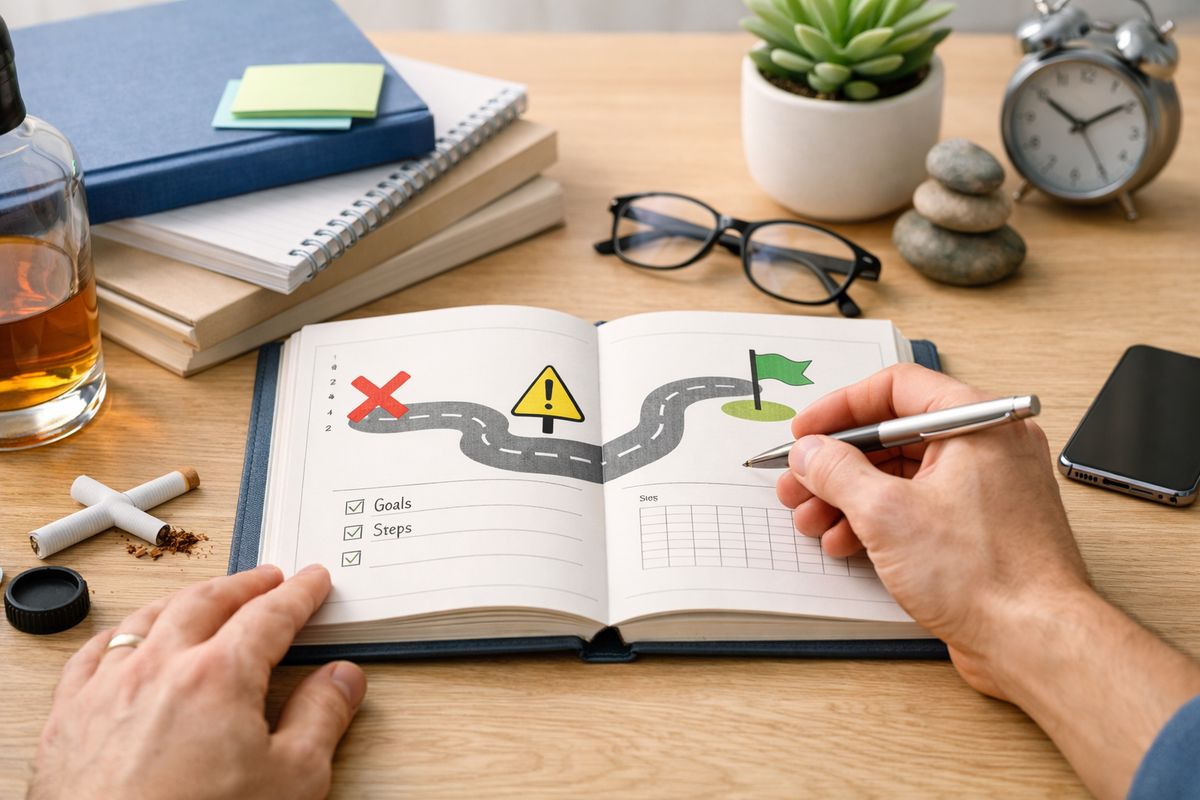
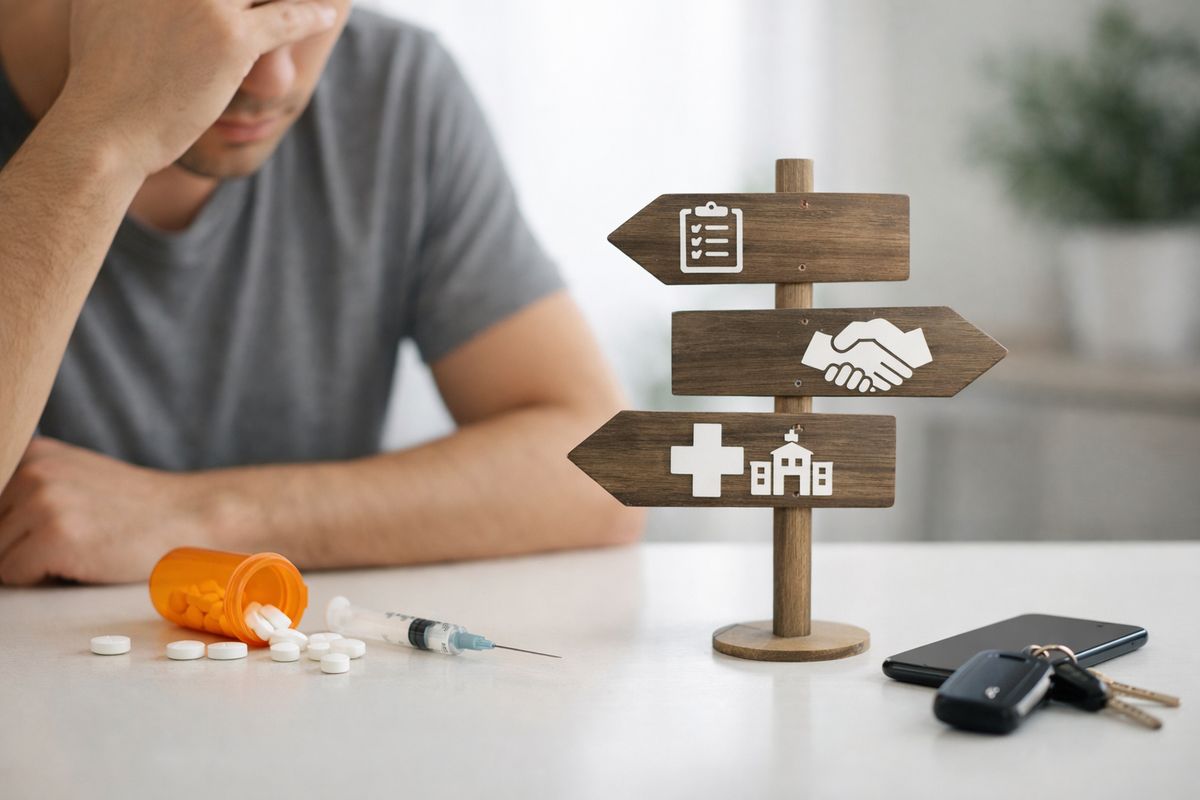
What to do after relapse on opioids starts with one fact: relapse is a medical event, not proof that you failed. According to the National Institute on Drug Abuse, relapse is common in substance use disorders, and the danger after a return to opioid use is immediate because overdose risk rises fast. Your next move is not shame, hiding, or trying to power through alone. Your next move is getting back into treatment now.
What to Do After Relapse on Opioids: Start With Treatment, Not Shame
The FDA’s research summary on opioid use disorder reports relapse rates around 65% to 70% and notes that opioids account for roughly 75% of overdose deaths. That sets the stake clearly. A return to use is dangerous, but it is also common enough that treatment planning should expect it and respond to it fast.
Relapse means using opioids again after a period of stopping or cutting down. That is the plain-English version. In opioid use disorder, relapse happens because brain reward, stress, memory, and tolerance systems have been altered by the illness. That matters, because it shifts the response from blame to treatment.
What this means in practice: you are not starting over. You are continuing care for a chronic condition that needs an adjustment. The move that works is rapid re-entry into evidence-based treatment, especially medication for opioid use disorder plus counseling and follow-up support.
Take the First Safe Step Today
A 2020 FDA review estimated 2.7 million people age 12 and older had opioid use disorder, and relapse after treatment remained common. The pattern is familiar. Shame delays care, delay increases risk, and risk turns a brief return to use into a medical emergency.
Your first step is simple: contact a treatment provider today. Do not try to fix this alone. Do not disappear from care because you feel embarrassed. Keep naloxone close, avoid using alone, and get medical contact re-established immediately.
If shame is the thing blocking that call, it helps to understand how to get past the self-blame that keeps people out of care. Shame feels personal, but in practice it functions like a treatment barrier.
Know Why Speed Matters After a Return to Use
NIDA explains that overdose risk rises after periods of reduced use because tolerance drops. The amount your body handled before can now stop your breathing. That is why waiting a few days to “see if you can get back on track” is a dangerous plan.
Here’s how to use that information: treat relapse like a same-day medical issue. Call the clinic, message the provider, or ask a family member to make the call with you. Fast treatment re-entry saves lives.
If You Are in Immediate Danger, Treat It as an Emergency
The CDC’s overdose guidance is direct: slowed or stopped breathing, blue or gray lips, inability to wake up, and unresponsiveness require emergency action. Chest pain, severe withdrawal with dehydration, or suicidal thoughts also require urgent care.
The action is clear. Use naloxone if an overdose is suspected, call 911, and go to the ER if needed. If you are a family member reading this, do not wait for certainty. If breathing is slow and the person will not wake up, treat it as an overdose.
Get Back on Medication-Assisted Treatment Fast
A 2024 NIDA overview states that fewer than 1 in 5 people with opioid use disorder receive medication treatment, even though methadone and buprenorphine are linked to lower overdose risk and lower death rates. That gap is a big reason people stay exposed to relapse and overdose.
Medication is the foundation after relapse. Detox alone is not enough. Withdrawal management can get opioids out of your system, but it does not reliably control cravings or protect you from the next return to use. Medication does.
The three FDA-approved medications are methadone, buprenorphine, and naltrexone. Each works differently. Think of them as three tools for the same disease, not three competing beliefs about recovery.
Buprenorphine: Often the Fastest Way Back Into Care
According to the Substance Abuse and Mental Health Services Administration, buprenorphine can be prescribed in office-based settings, which makes access faster and more flexible than many people expect. That matters if you work, care for children, or need treatment that fits real life.
Buprenorphine reduces cravings and withdrawal without producing the same opioid high. For many people, it is the fastest restart option after relapse because intake can happen quickly and follow-up can often be handled through outpatient care or telehealth. The practical step is direct: ask for the fastest available assessment for buprenorphine restart or induction.
Methadone: Strong Structure and Strong Retention
SAMHSA guidance on opioid treatment programs shows methadone works especially well when you need daily structure and strong symptom control. Research cited in treatment guidance links methadone with major reductions in illicit opioid use, often in the 33% to 50% range.
Methadone is not just another medication. It is a structured treatment system. That daily contact helps if repeated relapses, intense cravings, unstable housing, or chaotic routines keep pulling you off track. The action here is choosing structure on purpose, not as punishment.
Naltrexone: A Good Fit After Full Detox
A New York University study published in the New England Journal of Medicine found that justice-involved adults receiving extended-release naltrexone had lower relapse rates than the comparison group, 43% versus 64%, with zero overdoses during the six-month trial compared with five in the control group.
What this means in practice: naltrexone can be a strong option if you are already fully detoxed and ready for a monthly injection that blocks opioid effects. The catch is timing. You must be completely off opioids before starting it, so it is not the fastest restart option right after relapse.
Figure Out What Drove the Relapse So the Next Plan Works
A University of Southern California study following 1,100 people after treatment discharge found that 55.1% of women and 51.5% of men used opioids at least once in the following year, with younger age standing out as a major risk factor. Relapse does not come out of nowhere. Patterns usually show up first.
Your job after the immediate crisis is not confession. It is review. A relapse review asks what changed in your stress level, mental health, pain, routine, housing, social environment, and treatment adherence. That is how a good plan gets sharper instead of just more intense.
If you need a clearer picture of what a return to care actually looks like, this guide to getting back into treatment after a setback breaks down the process in practical terms.
Common Opioid Relapse Triggers to Name Clearly
NIDA and ASAM both frame opioid relapse risk as multi-layered: stress, trauma, anxiety, depression, chronic pain, social cues, and unstable living conditions all raise the odds. In plain language, the common triggers are people you used with, places tied to past use, emotional crashes, pain flare-ups, withdrawal fear, relationship conflict, and easy access to pills or fentanyl.
The move that works is naming the trigger plainly. “I stopped taking medication when my work schedule changed” is useful. “I got overwhelmed and everything fell apart” is less useful. Clear triggers lead to clear treatment changes.
Warning Signs Before a Full Return to Use
Clinical guidance from ASAM treats warning signs as intervention points, not character flaws. Skipping appointments, stopping medication, isolating, romanticizing past use, and telling yourself “just once” are not small things. They are signals that your recovery plan is losing contact with reality.
Here’s how to use it: bring those signs into treatment early. If you catch the pattern before a full return to use, your clinician can adjust medication, increase visits, add counseling, or tighten accountability before the risk grows.
Add Behavioral Support That Strengthens Medication
NIDA’s treatment guidance makes this plain: medication works best when paired with behavioral support. Medication handles cravings and withdrawal. Counseling helps you deal with the thoughts, stress, trauma, routines, and relationships that keep reopening the door to use.
That combination matters because opioid relapse is rarely about one bad decision. It is usually a chain. The more links you interrupt, the safer you are. If your current care is medication only, ask for added behavioral support instead of waiting for another relapse to force a change.
CBT and Contingency Management: The Add-Ons With Strong Evidence
Research summarized in the brief shows CBT paired with medication can reduce relapse rates by 30% to 50%, while contingency management can double abstinence rates compared with standard treatment. Those are strong numbers, and the mechanisms are easy to understand.
CBT helps you catch the thought-action loop before it takes over. Contingency management rewards follow-through, attendance, and drug-free testing. The action is specific: ask your program for CBT or contingency management if your current plan feels too thin. For a deeper look at supports that strengthen medication-based recovery, focus on approaches that make staying in care easier, not harder.
Family Support, Pregnancy, and Justice-Involved Needs
NIDA states that methadone and buprenorphine are safe and effective during pregnancy and breastfeeding. That should end a lot of harmful confusion. If you are pregnant or postpartum, the right move is treatment continuity, not stopping medication out of fear.
Family involvement also matters when support is steady and informed. A family member can help with transportation, child care, medication reminders, and overdose planning. If you are leaving jail or prison, care coordination matters just as much. Transition points are high-risk periods, so medication access should be lined up before the gap turns into a relapse.
Choose an Outpatient Program That Makes It Easier to Stay in Care
ASAM guidance emphasizes person-centered care, regular follow-up, appropriate drug testing, and treatment plans built around real barriers. Good outpatient care is not loose care. It is care that fits your life well enough for you to keep showing up.
That matters for working adults, parents, Medicaid members, and anyone who cannot step away from daily responsibilities. The simplest version of this is practical: treatment only works if you can attend it consistently. Fast access beats perfect intentions.
What to Look for in a Medicaid-Covered Opioid Treatment Program
SAMHSA and ASAM both support low-barrier access to medication and ongoing support. In practice, a strong program accepts Maryland Medicaid, offers fast intake, provides buprenorphine directly or methadone referral pathways, uses drug testing as a clinical tool rather than a punishment tool, and includes counseling plus overdose prevention.
Your action is to choose the program with the fewest barriers between you and week one of treatment. Same-week appointments, telehealth when appropriate, and help with scheduling or transportation are not extras. Those details keep people in care.
If You Live in Maryland, Make Access the Priority
Statewide access matters more than finding the “perfect” clinic on paper. If you live near Woodlawn, Frederick, or anywhere else in Maryland, pick the nearest program you can actually reach and attend. A shorter drive and a faster intake beat a better-sounding plan that never starts.
Consistency is what changes outcomes. The best treatment program is the one you can begin now, return to quickly after setbacks, and keep using long enough for recovery to stabilize.
What to Do This Week to Break the Relapse Cycle
A return to opioid use is dangerous, but it is treatable. Medication works. Fast re-entry works. Honest treatment adjustments work.
So make one move this week: call or message a Medicaid-covered MAT provider and ask for the fastest available assessment. Say clearly that you returned to opioid use and want to restart treatment now. That single step breaks the shame spiral, turns relapse into a clinical response, and gets recovery moving again.
References
- asam.org
- fda.gov
- guidelinecentral.com
- guidelinecentral.com
- issup.net
- nida.nih.gov
- nyulangone.org
- today.usc.edu