
What “success rate” really means in outpatient counseling
When you start looking into outpatient counseling success rates, it can be tempting to search for one clear number that tells you whether treatment will “work.” In reality, success in outpatient counseling and intensive outpatient programs (IOPs) is more complex.
Therapists and researchers look at several kinds of outcomes:
- Reduced substance use or longer periods of abstinence
- Fewer symptoms of depression, anxiety, or PTSD
- Better day to day functioning at work, school, and home
- Improved relationships and quality of life
Research shows that many outpatient programs do help people reduce substance use and mental health symptoms, especially when treatment is consistent and continues for several months. For example, an integrated 6 week outpatient program for depression in Germany produced large improvements in symptoms, with effect sizes similar to inpatient treatment and even higher response rates in the outpatient group [1].
You are not a statistic. Outpatient counseling success rates give you a general picture, but your outcome will depend on factors like the severity of your symptoms, how often you attend, the fit with your therapist, and the support you have outside of sessions.
If you use Medicaid, you can usually access different levels of outpatient care, such as weekly counseling, group therapy for addiction recovery, or a structured intensive outpatient program for addiction. Understanding how these options work will help you choose the level of support you need.
How outpatient counseling compares to inpatient treatment
A common question is whether outpatient counseling is “as good as” inpatient or residential rehab. The answer depends on your situation.
Substance use and detox outcomes
For alcohol use disorder, a 2017 narrative review of 22 studies on community alcohol detox found that outpatient detoxification had better completion rates and short term abstinence than inpatient, with no significant safety differences in serious complications like seizures or suicidality [2].
Other research on substance use disorders suggests:
- Inpatient care can offer an early advantage for people with very severe alcohol dependence when it is followed by several months of outpatient care, but this advantage often fades by 6 months [2]
- In one study, adults who received inpatient care were three times more likely to complete a full course of treatment compared with those who only received outpatient care, which shows how structure and containment can matter for some people [2]
- For opioid withdrawal, the British Columbia Ministry of Health guidelines state that outpatient withdrawal management is often safer and less disruptive for most patients than inpatient detox, when it is planned and monitored properly [2]
If you are weighing the pros and cons of levels of care, it may help to review iop vs inpatient treatment for addiction and benefits of outpatient drug rehab.
Mental health and depression treatment
Outpatient care can be just as effective as inpatient for some mental health conditions. The Bielefeld Outpatient Intensive Treatment Program of Depression used cognitive behavioral therapy, medication management, social interventions, exercise, and close monitoring. After 6 weeks:
- Both outpatient and inpatient groups had large reductions in depression severity
- There was no meaningful difference between outpatient and inpatient on major depression scales
- Response rates were actually higher for the outpatient group, 41.8 percent vs 28.8 percent on one measure [1]
This matters if you are trying to keep working or caring for family while getting help. A well structured outpatient program may give you strong results without needing you to step away from your life for weeks or months.
What improves outpatient counseling success rates
Certain features consistently show up in programs with better outpatient counseling success rates. When you look at IOPs or weekly counseling, you can ask specifically about these elements.
Continuing care after intensive treatment
Continuing care means you stay connected to support after your most intensive treatment phase. That might include regular check ins, support groups, or brief phone or video sessions.
- In a 36 month study of people stepping down from IOP, those who received continuing care had less crack cocaine use in the first 6 months compared with those who did not, although the effect did not last beyond 6 months [3]
- Across 20 controlled studies of continuing care, about half showed clear positive effects on substance use outcomes. Results were strongest when continuing care was compared to no or minimal follow up rather than to another active treatment [3]
- One continuing care model that used telephone counseling with CBT skills led to better abstinence rates and lower cocaine use over 2 years than standard 12 step and group counseling alone, especially for people who were already making some progress [3]
You can ask potential programs whether they offer continuing care after IOP or whether they help connect you to lower intensity services covered by your plan.
Engagement and retention strategies
Simply showing up regularly is one of the strongest predictors of success. Some programs intentionally build systems to help you stay engaged.
In one study, a “Contracting, Prompting, and Reinforcing” (CPR) approach increased:
- Aftercare completion at 3 months, from 36 percent to 55 percent
- Abstinence at 12 months, from 37 percent to 57 percent [3]
These strategies included written agreements, appointment reminders, and positive reinforcement for attendance. When you speak with a program, it can help to ask:
- How do you handle missed sessions or no shows?
- Do you use reminders, outreach calls, or case management support?
- How do you help people stay connected if transportation or scheduling is a problem?
If you use Medicaid, you may also want to explore outpatient rehab that accepts medicaid insurance, since cost and coverage are closely tied to whether you can stay in care.
Success rates for youth and young adults
If you are a parent looking into outpatient care for a teen or you are a young adult yourself, it can help to understand how age affects outpatient counseling success rates.
A long term study of youth followed over 96 months found that:
- Before age 18, outpatient treatment use was high, at about 74 percent of study visits
- After age 18, treatment use dropped to about 51 percent of visits [4]
What influenced success at different stages:
- Before 18, higher counseling participation was tied to being White, greater parental stress, and parents believing treatment was helpful. Diagnosis type did not matter as much [4]
- After 18, your own belief that treatment is helpful and your level of distress became much more important. Anxiety disorders were linked to more ongoing treatment, while disruptive behavior disorders reduced use [4]
Researchers suggest focusing on building strong treatment engagement before 18, especially in diverse and lower income communities, and helping emerging adults understand how therapy can help them [4].
If you are transitioning from adolescent to adult care, it can be useful to:
- Ask your current therapist to help plan the handoff to adult services
- Clarify whether your Medicaid coverage will change at 18 or 21
- Look for programs that work with both teens and young adults or coordinate care across systems
For substance use, specialized adolescent continuing care models that include home visits, case management, and skills training have significantly improved engagement and increased marijuana abstinence compared with usual care [3].
How intensive outpatient programs influence outcomes
Intensive outpatient programs sit between standard weekly counseling and inpatient rehab. They typically include multiple group sessions per week, individual therapy, and sometimes family sessions or psychiatry visits. Understanding how they work can help you decide whether the extra structure is likely to improve your chances of success.
If you are still learning the basics, you can review what is an intensive outpatient program and difference between iop and outpatient counseling.
Attendance and discharge outcomes in virtual vs in person IOP
A recent study of 1,410 patients who received substance use treatment between January 2020 and March 2021 compared virtual IOP with traditional in person IOP. It found that:
- Virtual IOP patients had significantly fewer no shows
- Virtual IOP patients were more than twice as likely to have a successful discharge with staff approval compared with in person IOP (odds ratio 2.38) [5]
The study also noted that:
- Higher clinician distress scores were linked to lower patient no show rates, which may reflect how invested or attuned some clinicians are to their patients [5]
- Female clinicians were associated with better outcomes. In virtual treatment they were more likely to oversee patients who were successfully discharged, and in in person care their patients had lower no show rates [5]
- In in person IOP, clinicians with higher caseloads had slightly higher rates of successful discharge, possibly reflecting greater experience or program structure [5]
- Comfort with technology did not significantly change outcomes, which supports the idea that virtual IOP can work well with standard professional support [5]
If you are balancing work or childcare, virtual IOP and hybrid options can increase your chances of staying engaged. You can ask programs whether Medicaid will cover video based sessions or a mix of in person and telehealth. For more scheduling details, see how long is an intensive outpatient program.
Where IOP fits into your recovery plan
IOP can be helpful at several points:
- As a step down after inpatient or residential treatment to maintain gains
- As a structured alternative if you cannot leave work or family to go inpatient
- As a step up from weekly counseling when you need more support but do not require 24 hour care
You can combine IOP with services like outpatient therapy for opioid addiction or 12 step meetings to create a complete support network.
How therapists measure success in outpatient counseling
If you are wondering how you and your therapist will know whether outpatient counseling is “working,” it may help to understand how professionals think about progress.
A 2023 survey of more than 200 therapists found that:
- 87 percent regularly use clinical assessments, such as questionnaires, to measure baseline mental health
- 70 percent find these tools useful for comparing before and after treatment outcomes
- 30 percent feel that assessments alone do not fully capture progress [6]
Therapists in this survey said:
- The most important sign of success was improved functioning, things like going to work, handling daily tasks, or managing parenting
- 42 percent still prioritize symptom reduction for conditions like depression or anxiety, using tools such as the PHQ 9 [6]
- The quality of the therapeutic alliance, or your relationship with your therapist, is critical, especially for complex conditions like PTSD [6]
GRW Health highlights that outpatient counseling success is best measured with both objective and subjective indicators [7]:
- Objective measures might include the number of panic attacks per week, sleep quality ratings, or days of substance use. Tracking these on a 1 to 10 scale over time can show trends, even if some days are worse than others
- Subjective measures include how comfortable you feel with yourself, how well you understand your own patterns, and how satisfied you are in relationships
A realistic goal is not to “never struggle again” but to struggle less often, for shorter periods, with better tools, and with more support.
You and your therapist can check in regularly about:
- What has changed since you started
- Which goals feel met and which need adjustment
- Whether your current level of care (weekly counseling, group, or IOP) is still the right fit
If your treatment is funded by Medicaid, it may require periodic documentation of your progress. You can ask your therapist how they complete these reviews and how you can be involved.
Trends in outpatient psychotherapy and what they mean for you
Understanding national trends will not predict your personal outcome, but it can reassure you that you are not alone in seeking outpatient help.
From 2018 to 2021 in the United States:
- Use of psychotherapy alone in outpatient mental health care rose from 11.5 percent to 15.4 percent
- Use of psychiatric medication without therapy decreased from 68 percent to 62 percent [8]
- National spending on psychotherapy grew from 31 billion dollars to 51 billion dollars, and people stayed in therapy for more visits on average
- Fewer people dropped out after just one or two visits [8]
Younger adults, women, people with college degrees, and those with private insurance saw the biggest increases in psychotherapy use. Teletherapy became a major part of care, with about 40 percent of adults in outpatient therapy receiving at least one video session in 2021 [9].
At the same time, people with serious psychological distress did not see the same rise in psychotherapy engagement [9]. Barriers like limited broadband in rural areas, low digital literacy, cost, and gaps in insurance coverage still limit access for many, especially older adults and lower income groups [9].
If you are using Medicaid, you might experience some of these barriers. It can help to:
- Ask programs directly whether they accept Medicaid and which services are covered
- Explore does medicaid cover outpatient rehab and medicaid coverage for counseling sessions
- Look for providers who offer both in person and telehealth options under your plan
There are also increasing addiction therapy options for medicaid patients, including counseling for substance abuse covered by medicaid and outpatient addiction treatment with medicaid.
Making outpatient counseling work for you
You cannot control every factor that influences outpatient counseling success rates, but you can set yourself up for the strongest possible outcome.
Here are practical steps you can take:
-
Choose the right level of care
If you need structure and daily support but cannot leave home or work, an IOP may be a good middle path. Review intensive outpatient group therapy explained to understand what to expect. If your substance use is very severe or unstable, you may need a short inpatient stay followed by outpatient or IOP. -
Clarify your goals
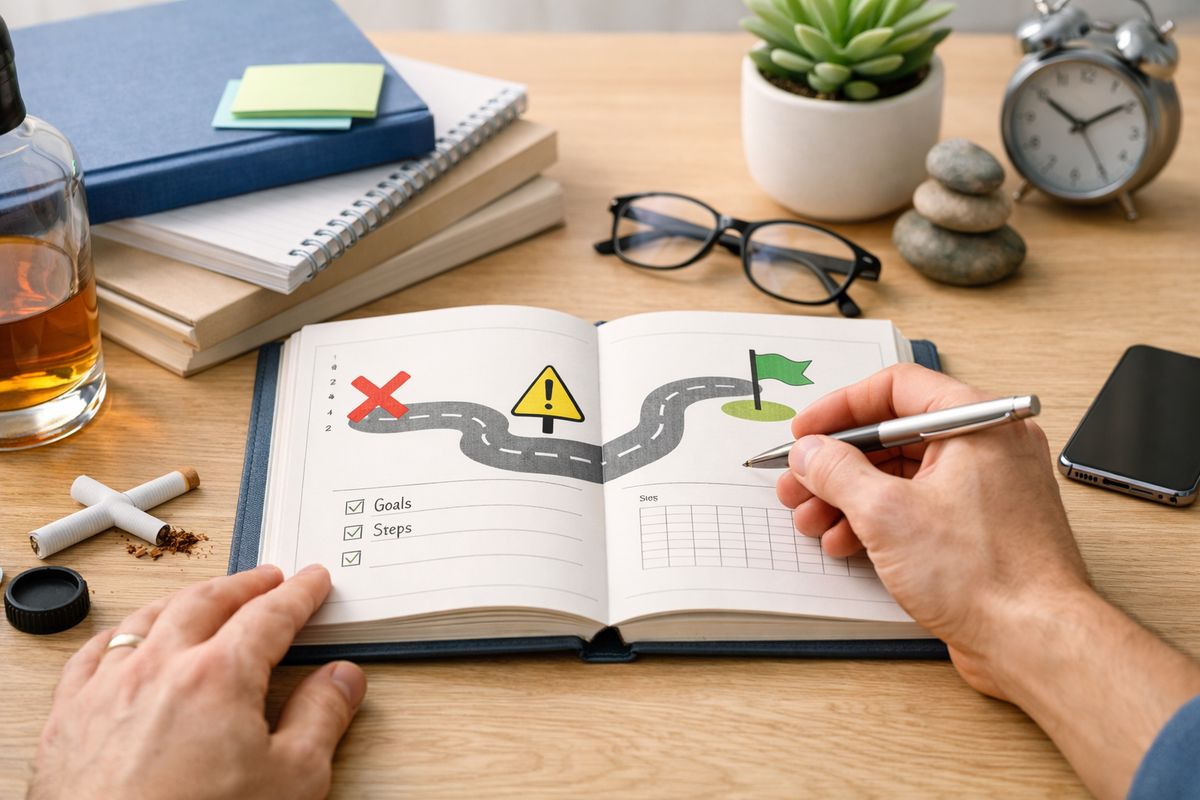
Before you start, write down what “success” would look like in concrete terms. For example, reducing drinking to zero or a small number of days per month, going back to work, or feeling more confident in social situations. Share this list with your therapist. -
Commit to attendance
Missing sessions weakens the treatment. Ask about reminder systems, transportation help, and virtual options. If you know your schedule is tight, talk with the program about realistic session times. -
Use all parts of the program
Outpatient counseling often includes group sessions, homework, or optional family meetings. People who engage with multiple parts of treatment tend to do better than those who only attend the bare minimum. -
Stay connected after intensive phases
If you complete IOP, ask what continuing care looks like. That might be weekly or biweekly counseling, peer support groups, or brief check in calls. Research shows that planned step down care can extend early gains. -
Advocate for coverage
When you enroll, confirm that the program is an outpatient rehab that accepts medicaid insurance if you are using Medicaid. Ask exactly which services, such as group, individual counseling, drug testing, or telehealth, are covered so there are no surprises that might force you to drop out early.
Outpatient counseling and IOP are not quick fixes, but they are powerful tools when they are matched well to your needs and when you are supported to stay engaged. The research shows that many people recover or significantly improve in these settings, even when they are juggling work, school, or family responsibilities.
You deserve care that works with your life and respects your goals. With the right program, a clear understanding of what success means to you, and coverage that supports you, outpatient counseling can be a strong foundation for lasting change.