Understanding Sublocade injection for opioid treatment
If you are exploring medication assisted treatment for opioid use disorder, you may have heard about Sublocade. Sublocade is an extended release buprenorphine injection that is given once a month under the skin to help treat moderate to severe opioid addiction. It works by partially activating the same receptors in your brain that opioids like oxycodone or heroin do, which helps reduce cravings and withdrawal symptoms without producing the same intense high [1].
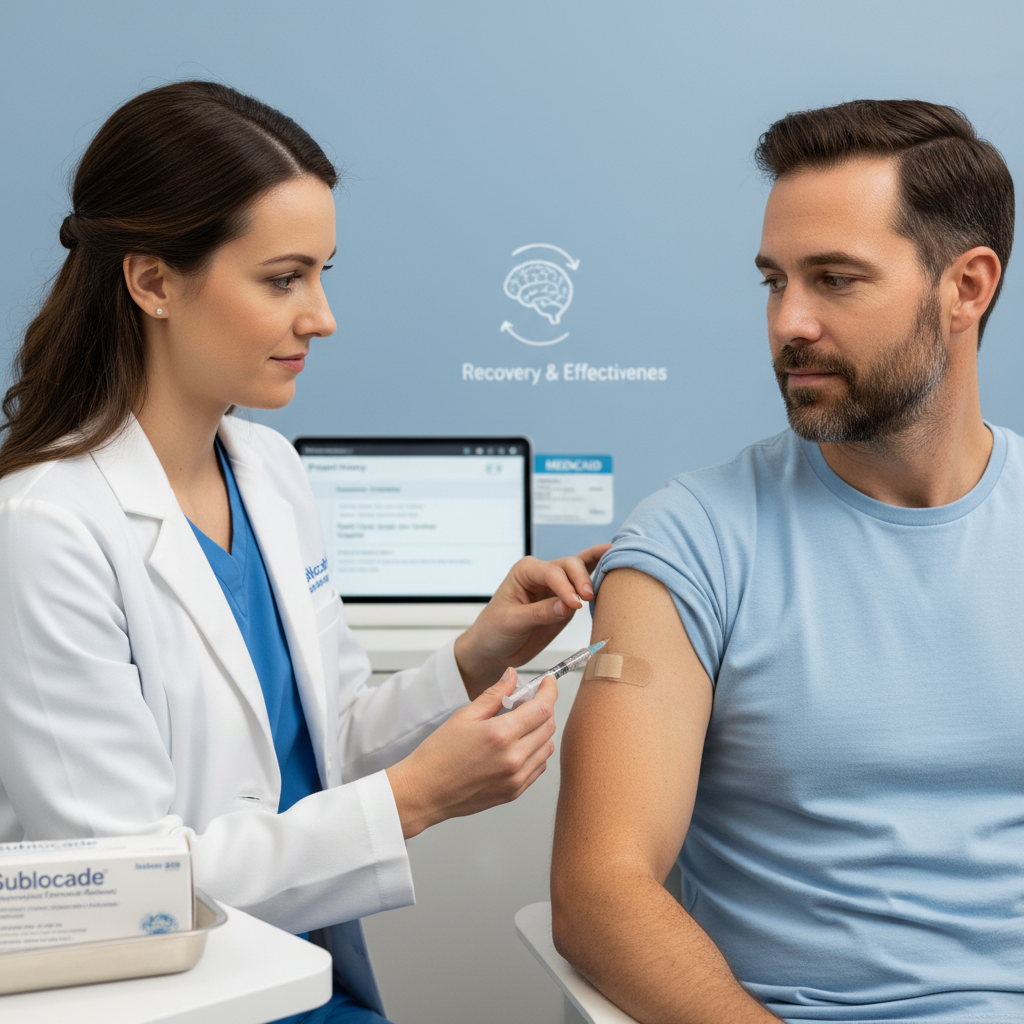
Sublocade injection for opioid treatment is different from daily medications. You receive it in a clinic or doctor’s office, and it slowly releases a steady dose of buprenorphine all month. This steady level can help you feel more stable and reduce the ups and downs that sometimes happen with daily tablets or films [2].
As you learn about Sublocade, it is also important to understand Medicaid coverage, how buprenorphine works, and how this option compares with other medications like Suboxone or methadone. This can help you decide whether a long acting injection fits your recovery goals and your financial situation.
How Sublocade works in your body
Sublocade contains buprenorphine, a partial opioid agonist. This means it activates opioid receptors enough to ease withdrawal and cravings, but not enough to produce strong euphoria in people who already have opioid tolerance.
When you receive the Sublocade injection, a thick liquid is placed under the skin of your abdomen, thigh, buttock, or back of the upper arm. It then forms a small depot, or “gel-like” mass, that slowly releases buprenorphine over about 28 to 30 days [3]. This slow release helps you avoid the daily peaks and crashes that can occur with short acting medications [4].
Sublocade must be given by a healthcare provider in a clinical setting. It is not a medication you can pick up at the pharmacy and inject at home. This requirement is part of a safety program called the SUBLOCADE REMS Program, which helps prevent misuse and accidental intravenous injection [5].
If you want to dive deeper into the science and day to day effects, you can also explore how the medication works in more detail at how does sublocade shot work.
Benefits of a once monthly injection
Many people are drawn to Sublocade because of how it changes the daily experience of treatment. Instead of taking medication every morning, you attend a scheduled visit once a month.
Key benefits include:
-
Continuous craving control
Sublocade provides a consistent level of buprenorphine in your bloodstream. This steady exposure can decrease cravings and withdrawal symptoms throughout the month, which may help you focus more on counseling, relationships, work, and rebuilding your life [4]. -
No daily dosing routine
You do not need to remember to take a pill or film every day. For some people, this reduces stress, lowers the risk of missed doses, and makes it easier to travel, work, or manage childcare. -
More privacy and less visible medication
Because the injection is under the skin and is administered in a clinical setting, there are no bottles or strips at home. This can feel more discreet and may reduce the risk of others seeing or taking your medication. -
Lower risk of diversion
Since Sublocade is not dispensed for home use, there is less risk that the medication will be lost, stolen, or shared. This can be reassuring if you have children at home or live with others who struggle with substance use.
In clinical studies, about 28 to 30 percent of patients on Sublocade plus counseling remained free of illicit opioids at least 80 percent of the time over a 24 week period, compared with about 2 percent on placebo plus counseling [6]. While that does not guarantee a specific outcome for you, it shows why this option is gaining attention in modern addiction treatment. For more on outcomes, you can read how effective is sublocade for addiction.
Sublocade versus other buprenorphine options
You may already be familiar with Suboxone, Subutex, or generic buprenorphine films and tablets. All of these medications can support recovery, but they are used differently.
Buprenorphine based medications include:
- Daily sublingual buprenorphine or buprenorphine naloxone films and tablets
- Monthly Sublocade injection
- Other long acting options not covered in this article
Suboxone is a dissolvable film that contains buprenorphine and naloxone. It is taken once or twice a day and is often used first to stabilize you before transitioning to Sublocade. Sublocade is an injection that offers a month of support from a single dose [7].
If you want a focused comparison between these medications, including dosing, side effects, and lifestyle factors, you can explore sublocade vs suboxone comparison and can sublocade replace suboxone therapy. For a broader look at how buprenorphine compares to methadone, see buprenorphine vs methadone treatment, and for more detail on formulations, visit subutex vs buprenorphine explained.
Safety, side effects, and precautions
Like any opioid treatment medication, Sublocade has both common side effects and serious risks that you need to understand before starting.
Common side effects reported in studies include:
- Constipation
- Headache
- Nausea or vomiting
- Tiredness or fatigue
- Itching, redness, or pain at the injection site
- Increased liver enzymes on blood tests
These side effects usually improve over time, although injection site discomfort may occur after each dose [8].
Serious risks can include:
- Breathing problems, especially if Sublocade is combined with alcohol, benzodiazepines, or other central nervous system depressants
- Severe allergic reactions
- Low blood pressure
- Liver damage
- Central nervous system depression, which in rare cases can lead to coma or death, particularly with misuse or intravenous use [9]
Because of these risks, you are usually advised to keep naloxone on hand in case of an opioid overdose emergency [10]. Your provider will also check your liver function before starting Sublocade and at intervals during treatment [11].
Sublocade should not be given intravenously. Injecting the medication into a vein can cause serious harm or death. This is one reason it is only administered by trained professionals [12].
Pregnancy and breastfeeding require special consideration. Buprenorphine can cause physical dependence in your baby and may lead to withdrawal symptoms after birth. Sublocade should generally be used during pregnancy only if the benefits clearly outweigh the risks [10]. Buprenorphine also passes into breast milk, so you and your provider will weigh the risks and benefits and monitor your baby for sleepiness or breathing issues if you choose to breastfeed [5].
For a closer look at safety issues and how to recognize concerning symptoms, see sublocade side effects and safety.
Starting Sublocade and what to expect
Before you can begin Sublocade, you typically need to show that you can tolerate buprenorphine. For many patients, this means starting with a transmucosal buprenorphine product, such as a sublingual tablet or film, for at least several days. Once your dose is adjusted and you are stable, your provider can transition you to monthly injections [13].
Newer guidance also allows for a same day start, where you receive a test dose of oral buprenorphine in the clinic and then, if tolerated, get your first injection. This approach is still done under close medical supervision [14].
Your first two doses are often 300 mg each, given one month apart. After that, you may move to a 100 mg maintenance dose, although some people remain on 300 mg if clinically appropriate [3]. Real world data show that many patients receive at least one 300 mg maintenance dose, although clinical trials did not find a major difference in effectiveness between 300 mg and 100 mg maintenance doses [3].
If you miss a scheduled injection by a few days or up to two weeks, treatment is usually still effective, but you should not delay doses without talking with your provider [5].
Sublocade works best when combined with:
- Individual counseling
- Group therapy or peer support
- Help with housing, employment, and family issues
- Ongoing medical and mental health care
Every major source emphasizes that Sublocade is only one part of a comprehensive opioid use disorder program [15].
If you are ready to look for a provider, you can start with find sublocade clinic near me or sublocade doctors that take medicaid.
Medicaid coverage for Sublocade and buprenorphine
Cost and insurance coverage often determine whether you can realistically start a new medication. The good news is that many state Medicaid programs do cover Sublocade injection for opioid treatment, although prior authorization and specific criteria are common. Coverage rules can vary by state, your diagnosis, and previous treatments you have tried.
To get a clear picture for your situation, you can review these resources:
- Is sublocade covered by medicaid
- Medicaid coverage for sublocade injections
- Cost of sublocade treatment with medicaid
These guides walk through how coverage decisions are made, what documentation may be required, and how copays or deductibles might affect your out of pocket cost.
It is also helpful to know that the manufacturer offers a Copay Assistance Program. According to the company, about 95 percent of people in this program pay 0 dollars out of pocket for the medication itself, although office visit and injection fees are not included [16]. If you are on Medicaid, your eligibility and benefits will be based on your state program and any supplemental coverage you may have.
If you are considering other buprenorphine options, Medicaid often covers sublingual buprenorphine or buprenorphine naloxone, especially when prescribed through an approved program. You can learn more at buprenorphine treatment covered by medicaid and buprenorphine clinic covered by medicaid.
Table: Sublocade and Medicaid considerations
| Question | What to consider |
|---|---|
| Does my state Medicaid cover Sublocade | Check state specific rules and see medicaid coverage for sublocade injections |
| What will I pay out of pocket | Review cost of sublocade treatment with medicaid and ask your clinic to verify your benefits |
| Can I switch from Suboxone | Talk with your provider and see can sublocade replace suboxone therapy |
| How do I find a doctor | Use sublocade doctors that take medicaid or find sublocade clinic near me |
Reviewing these questions with your care team can help you decide whether to begin Sublocade now or start with another form of buprenorphine while you work out insurance details.
Is Sublocade right for your recovery
Choosing Sublocade injection for opioid treatment is a personal decision. It may be a strong option for you if:
- You want to reduce daily medication management and prefer a once monthly visit
- You have struggled with remembering or safely storing daily medications
- You want more stable buprenorphine levels and fewer daily ups and downs
- You have access to a provider who can administer the injection and work with your Medicaid plan
It may be less suitable if you are early in treatment and still making frequent dose adjustments, if you have medical conditions that make injections complicated, or if you are unable to attend monthly appointments reliably.
Whatever you choose, it is important to remember that medication is one part of long term recovery. Opioid use disorder is common, and there is a large treatment gap. In 2023, nearly 6 million people in the United States had opioid use disorder in the past year, but only about 18 percent received medications for opioid use disorder [17]. By exploring effective options like Sublocade and buprenorphine, you are already taking meaningful steps to close that gap for yourself.
As you move forward, consider talking with a provider who understands both modern MAT options and Medicaid requirements. Reviewing resources like how does sublocade shot work and how effective is sublocade for addiction can help you prepare specific questions for your first appointment. With the right mix of medication, counseling, and support, long term recovery becomes a realistic and achievable goal.
References
- (WebMD)
- (Sublocade)
- (SublocadeHCP)
- (Sublocade)
- (Drugs.com)
- (Sublocade, Brightside Clinic)
- (Brightside Clinic)
- (WebMD, Sublocade)
- (WebMD, Drugs.com, Indivior)
- (WebMD, Drugs.com)
- (Drugs.com, Sublocade)
- (Drugs.com, SublocadeHCP)
- (Drugs.com, Brightside Clinic)
- (Sublocade, SublocadeHCP)
- (Drugs.com, Indivior)
- (Sublocade)
- (Indivior)