
Understanding postpartum addiction treatment
If you have recently given birth, it is normal to experience a whole spectrum of emotions, from joy and excitement to worry and stress. However, for many women, the postpartum period brings unique challenges related to substance use. Postpartum addiction treatment exists to help you navigate these obstacles and guide you to a healthier, more fulfilling life. By seeking specialized care, you address both the physical and emotional components of addiction, protect your child’s well-being, and create a stable foundation for long-term recovery.
Substance use disorders (SUD) are increasingly prevalent in women and have become a leading cause of pregnancy-associated deaths, with most fatalities occurring in the 12 months following birth (National Center for Biotechnology Information). The months after delivery can be emotionally intense, and the multitude of responsibilities—from caring for a newborn to readjusting to daily life—often compounds existing struggles with substances. Without comprehensive support, you risk missing out on the care, guidance, and understanding necessary to sustain sobriety. Postpartum addiction treatment offers a tailored approach, recognizing the interplay of hormonal changes, mood fluctuations, and social pressures that shape early motherhood.
Because postpartum addiction treatment centers on your needs during a transitional and delicate stage, therapies often blend specialized medical interventions, mental health counseling, and community-based support. These approaches seek to alleviate not just immediate cravings or withdrawal symptoms but also the lingering psychological challenges that can arise from birth-related stress and adjustment. If you or a loved one is grappling with substance use in the postpartum period, professional treatment means receiving the support necessary for lasting recovery, including a deeper sense of stability, improved maternal self-efficacy, and renewed hope for the future.
Why postpartum addiction treatment matters
Recognizing postpartum vulnerabilities
From sleepless nights to significant hormonal shifts, the postpartum period introduces a variety of stressors that can heighten vulnerability to substance use. If you are in the midst of these changes, it is vital to understand the factors influencing your mental and emotional health. Many women grapple with low social support, mood swings, or a sense of isolation—factors that may trigger substance misuse as a form of self-medication or escape.
External forces also play a role. Some women encounter stigma from healthcare providers or face worry about child welfare services if they disclose their struggles with substance use. Others may lack immediate access to postpartum-specific addiction services, leading them to discontinue treatment shortly after giving birth. Furthermore, inaccurate expectations about pain management—especially if you received medication for opioid use disorder (MOUD) during pregnancy—can complicate postoperative or postpartum pain relief (NCBI). When these vulnerabilities accumulate, they can overshadow the joy of new parenthood and pave the way for more entrenched addiction patterns.
Consequences of unmet treatment needs
Failing to address postpartum substance use can pose serious risks—not only to your health, but also to the well-being of your newborn. Drug-induced deaths are an increasingly common tragedy among postpartum women, especially in the six to 12 months after birth (National Center for Biotechnology Information). In addition to the threat of overdose, untreated postpartum addiction can interfere with critical mother-infant bonding, derail breastfeeding plans, and hinder the emotional growth of your child.
Moreover, unresolved addiction often coexists with conditions such as anxiety, depression, or intimate partner violence. These co-occurring challenges complicate efforts to parent effectively, maintain stable relationships, or manage day-to-day responsibilities. Without specialized postpartum addiction treatment, you might experience lapses in care—delaying recovery and undermining your capacity to create a nurturing environment for your child. Comprehensive care during the postpartum period helps you avert these adverse outcomes, empowering you to be present, engaged, and supportive of yourself and your family.
Components of comprehensive postpartum addiction treatment
Effective postpartum addiction treatment requires more than a single approach. Facilities that recognize your complex needs in early motherhood often offer integrated services spanning medical, behavioral, and supportive interventions. By combining evidence-based medical strategies with empathetic counseling and practical resources, these programs equip you to handle motherhood’s pressures without relying on substances.
Medical interventions
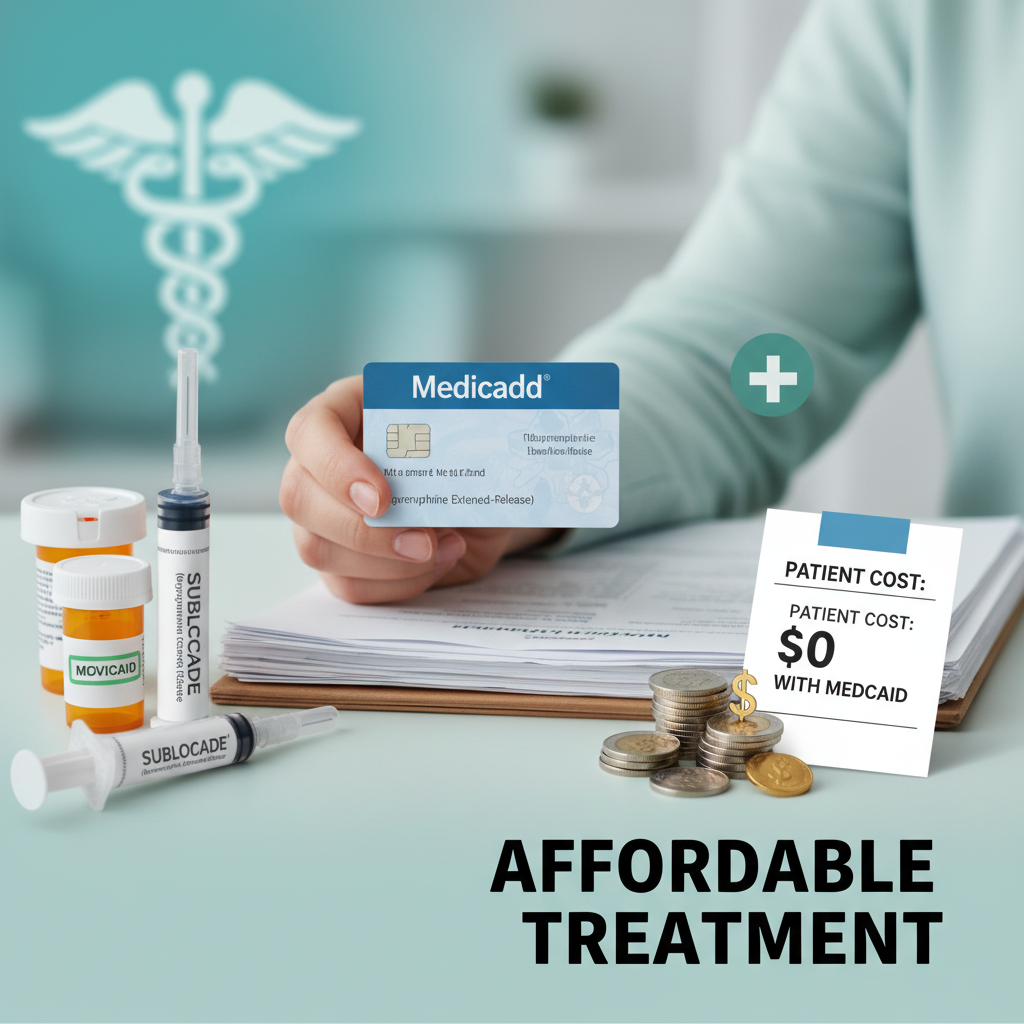
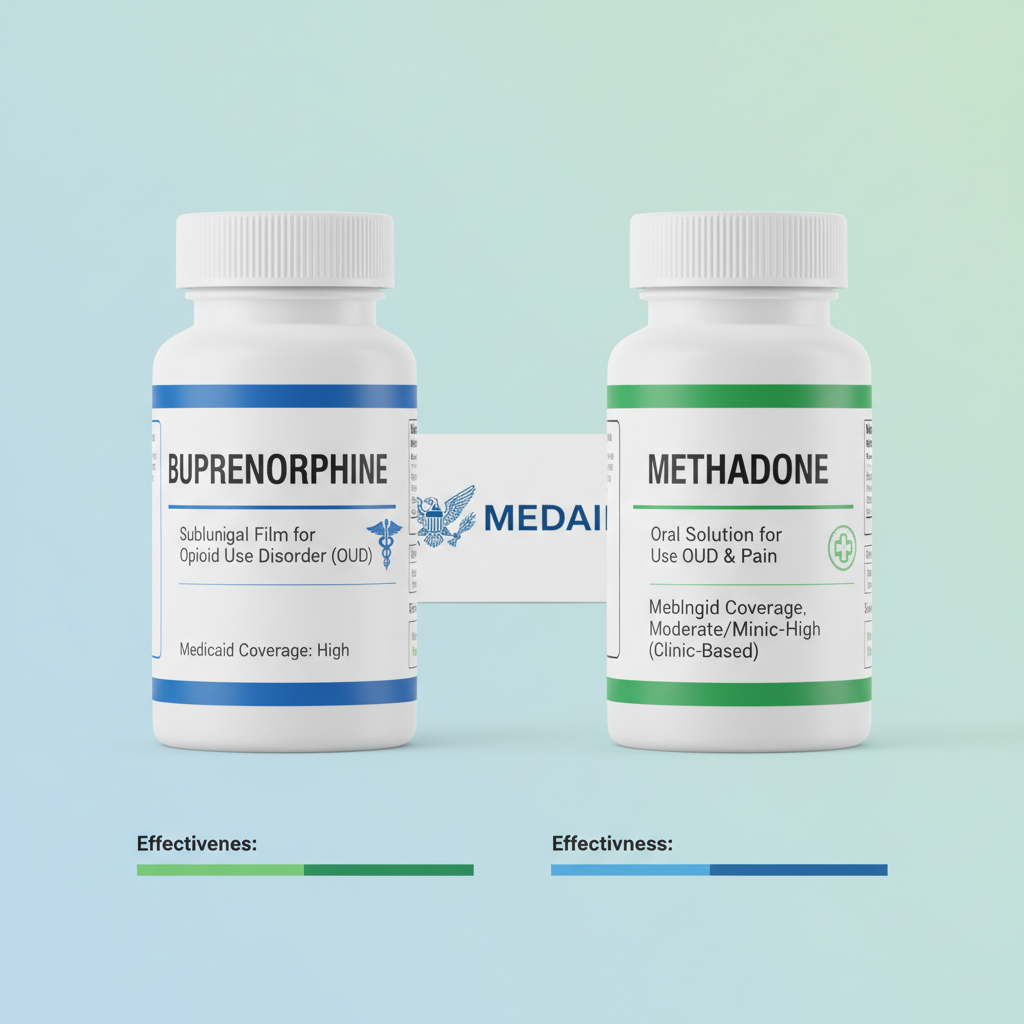
Medical interventions can involve a range of therapies, from detox to prescribed medications for managing opioid use disorders. If opioids are a concern, using medication assisted treatment can reduce cravings and stabilize mood. For example, suboxone treatment or methadone treatment may be beneficial, provided they are part of a holistic care plan.
Receiving medically supervised detox or changes to your prescription regimen is a vital step, especially when life gets busy after birth. Healthcare professionals monitor your symptoms, determine any adjustments in dosage, and ensure that you remain physically stable. While medically assisted detox can jumpstart your recovery by safely removing harmful substances from your system, it is most effective when followed by long-term outpatient or residential services that address the underlying causes of addiction.
Behavioral therapies
Behavioral therapies are at the heart of postpartum addiction treatment, providing the structure and emotional grounding you need to tackle both new-parent demands and substance use triggers. Various methods may be integrated, including:
- Cognitive behavioral therapy (CBT): Helps you identify and replace harmful thought patterns that lead to substance use.
- Dialectical behavior therapy (DBT): Equips you with interpersonal effectiveness techniques, emotional regulation, and stress-management skills.
- Individual therapy or group therapy substance use: Offers a safe environment to speak freely about challenges, share experiences with other mothers (or supportive peers), and find ongoing accountability.
Postpartum-specific counseling can be particularly helpful by focusing on mood fluctuations, parenting stress, and role transitions. For instance, postpartum depression or anxiety may coincide with addiction, creating a heightened need for co-occurring disorders treatment. Tailored psychological support ensures you learn coping strategies that not only help you remain sober but also boost your self-esteem and emotional reliance when caring for your infant.
Supportive services and wrap-around care
A comprehensive postpartum addiction treatment program goes beyond talk therapy or medical support. It can also include a variety of wrap-around services designed to address the areas of life that often become stressors. Such supportive interventions might feature:
- Peer support groups: Mothers on a similar path encourage one another, reducing isolation and stigma.
- Case coordination: By working with social workers or counselors, you can secure housing assistance, food benefits, or other needed community resources. Many treatment facilities offer case coordination addiction to help manage these external aspects.
- Parenting classes: Learning effective ways to care for a newborn and manage changing family dynamics can promote positive engagement with your baby.
- Childcare services: Some programs either provide on-site childcare or resources that reduce logistical barriers to attending therapy sessions.
Along with emotional and practical support, postpartum addiction treatment programs may encourage aftercare support services, ensuring that you have guidance and stability once your more intensive treatment phase concludes. This continuity of care aids in preventing relapse and helps you navigate the evolving challenges of motherhood.
How postpartum addiction treatment fosters lasting recovery
Stabilizing your well-being
Recovery is often viewed as an ongoing process rather than a one-time achievement. By focusing on postpartum addiction treatment, you increase your chances of stabilizing physically, mentally, and emotionally. This stability is essential to maintain consistent routines, give attention to your baby, and set the stage for future growth.
When you receive integrated care, each factor—physical health, mental well-being, and social support—comes together to help you solidify a healthier lifestyle. Practitioners can monitor mood changes common in the postpartum stage, adjust your opioid or other substance medications if needed, and work toward preserving your well-being. With specialized interventions like medication-assisted treatment and addiction counseling, you develop resilience in the face of cravings or stress triggers.
Nurturing the mother-child bond
A secure maternal bond benefits not just you but also your infant’s cognitive and emotional development. Untreated addiction can disrupt the normal cycles of affection and response vital to building a healthy attachment. By seeking treatment that addresses your unique postpartum needs, you enhance your capacity for attentive and loving interactions, creating a foundation for a stable parent-child relationship.
Research highlights that integrated care models, including team-based support from physicians, therapists, and social workers, improve outcomes for families. These initiatives make it easier for you to keep postpartum medical appointments while continuing addiction treatment. Consequently, you are better equipped to manage newborn caregiving without neglecting your own progress toward sobriety.
Breaking generational cycles
Substance use disorders often extend beyond the individual, affecting family systems and, in some cases, spanning generations. Postpartum addiction treatment helps break these cycles by providing a supportive environment where you learn healthy coping mechanisms. This transformation reduces the likelihood that your child will later struggle with substance use or experience ongoing family conflict. As you prioritize your sobriety, you also serve as a role model of resilient behavior and emotional honesty.
Simultaneously, the education and resources you receive in treatment can help your extended family understand the nuances of addiction, postpartum health, and how best to support you. By cultivating this informed and empathetic circle, you build a long-lasting support network that fortifies you against relapse and fosters a more positive family dynamic.
Why choose Addiction Treatment Centers of MD for postpartum care
Successfully balancing newborn care with the demands of recovery requires specialized, compassionate, and comprehensive services. At Addiction Treatment Centers of MD, we recognize that the postpartum period is not just a phase of adjustment—it can be a pivotal window of opportunity to reshape your life and secure your family’s future. Here are some key advantages you can find with our programs:
Specialized insight into postpartum needs
Our team understands that postpartum addiction is different from other forms of substance use, primarily because hormonal fluctuations, emotional stress, and family obligations converge during these critical months. By acknowledging these unique challenges, we tailor treatment services that fully account for potential triggers and vulnerabilities. We also work closely with you to ensure any required medication adjustments—whether for pain management, mood stabilization, or opioid dependence—are safe and effective.
For women who struggled with substance use before or during pregnancy, our staff can collaborate with external resources and specialists to ensure continued care. If you are seeking extended support beyond delivery, we can also connect you with pregnant women addiction treatment and women substance use program options to promote lasting recovery, whether you are pregnant, postpartum, or transitioning through other stages of motherhood.
Addressing opioid recovery, counseling, and DUI/DWI education
Addiction Treatment Centers of MD also offers effective solutions for opioid recovery, counseling services, and DUI/DWI education. If controlling opioid cravings has been a struggle, we can incorporate suboxone treatment or other forms of medication-assisted treatment. These methods have proven successful in stabilizing physical dependence, making it easier for you to focus on essential life skills and infant care.
For comprehensive care, our counseling services include one-on-one individual therapy, group sessions, and family-inclusive approaches. Additionally, we provide court mandated dui classes and educational efforts designed to prevent relapses tied to drunk or impaired driving incidents. By addressing legal needs and substance-related responsibilities simultaneously, we help you safeguard your driving privileges while ensuring you remain fully present for your family.
Personalized approach for dual diagnosis and beyond
Postpartum recovery often overlaps with mood disorders such as postpartum depression or anxiety. Our dual diagnosis treatment can manage these co-occurring disorders with targeted interventions, allowing you to regain mental stability and reduce the risk of relapse. You may also find it beneficial to explore co-occurring disorders treatment or specialized services like telehealth addiction counseling if balancing childcare and in-person therapy is logistically difficult.
In these programs, we focus on building coping strategies that enable you to process stressors without resorting to harmful behaviors. This holistic view of postpartum recovery reflects our commitment to supporting you as an entire person, not simply an individual battling addiction. While addressing your mental and emotional health, we also consider practical concerns, so you can emerge from treatment ready to tackle the responsibilities and joys of motherhood with confidence.
Fostering long-term support
Recovery is an ongoing journey, and at Addiction Treatment Centers of MD, we do not believe in quick solutions that neglect the realities of everyday life. Our programs are designed to provide you with long-term support through continued therapy, peer groups, and relapse prevention measures. We encourage you to remain connected with supportive aftercare, including aftercare support services that help you manage challenges whenever they arise.
Sustained engagement in postpartum addiction treatment increases your chance of developing healthy habits. Regular check-ins, continued counseling, or participation in sobriety support groups reinforce your progress. By maintaining these supportive relationships, you preserve the gains made during the initial stages of treatment and actively pursue a fulfilling life free from substance use.
FAQ
Below are five frequently asked questions about postpartum addiction treatment. The answers aim to guide and inform you, so you can make more confident decisions about your recovery journey.
What is postpartum addiction treatment?
Postpartum addiction treatment is a specialized approach designed to help new mothers address substance use disorders after giving birth. It often includes medical oversight, counseling, support groups, and other wrap-around services aimed at stabilizing your physical and mental health while you adapt to motherhood.
How long does postpartum addiction treatment take?
The duration varies depending on your unique situation, the severity of addiction, and other factors like co-occurring mental health issues. Some women benefit from a structured outpatient program for several months, while others may need more extended care. It is important to work with a healthcare professional to decide on a plan that suits your specific needs.
Can I breastfeed while receiving substance use treatment?
Your ability to breastfeed will depend on the type of treatment and medications you use. Certain opioid-agonist medications, such as buprenorphine, can be compatible with breastfeeding under medical supervision. Always consult your healthcare provider to make an informed decision about treatment choices that align with your infant’s well-being.
Are there treatment options for moms with co-occurring mental health conditions?
Yes. Many programs offer co-occurring disorders treatment to address both addiction and mental health challenges like postpartum depression or anxiety simultaneously. This integrated care approach ensures you receive comprehensive support for all aspects of your well-being.
Why should I choose Addiction Treatment Centers of MD?
Addiction Treatment Centers of MD provides specialized postpartum services that account for hormonal shifts, family responsibilities, and personal demands of new motherhood. With integrated offerings such as medication-assisted treatment, comprehensive counseling, and dedicated educational programs like court mandated dui classes, our facility gives you the best chance to achieve and maintain sobriety while nurturing a strong bond with your child.
Moving forward with hope and support
Your early days, weeks, and months with a newborn can be both exhilarating and stressful, amplifying any existing vulnerabilities to substance use. Thankfully, postpartum addiction treatment is designed to guide you through these debuts of motherhood by reinforcing healthy coping mechanisms, stabilizing physical needs, and nurturing emotional connections with your family. When you take the step to seek help, you honor both yourself and your child—demonstrating that healing, understanding, and renewed hope can flourish even in one of life’s most demanding seasons.
By partnering with Addiction Treatment Centers of MD, you have the opportunity to access evidence-based practices, community support, and a specialized network of professionals wholly dedicated to your recovery. If you or someone you love is struggling with substance use in the postpartum period, remember that recovery is not only possible, but attainable through the right mix of medical treatment, behavioral therapy, and family-focused care. Reach out for help today. It is never too late to embrace the support necessary for lasting recovery, for both you and your growing family.