
Recognizing unique challenges
When you are pregnant and coping with opioid dependence or other substance use disorders, it is natural to feel overwhelmed and uncertain about where to seek help. Pregnant women addiction treatment is often more complex than standard recovery programs, because it must address both your well-being and that of your growing baby. Pressures unique to pregnancy, such as heightened emotional stress or potential medical complications, add extra layers to the treatment process. With the proper guidance and a supportive environment, however, you can find the care you need to safeguard both your health and your child’s future.
Many studies, including reports from the Centers for Disease Control and Prevention (CDC), highlight that the prevalence of opioid use disorders among pregnant individuals has more than quadrupled in recent decades. This alarming rise also led to stark increases in neonatal abstinence syndrome (now referred to as neonatal opioid withdrawal syndrome), impacting newborns who have been exposed to opioids in utero. At Addiction Treatment Centers of MD, we understand these challenges and structure our programs to help reduce adverse outcomes for both you and your baby.
Seeking addiction treatment while you are pregnant can feel isolating, especially if you fear judgment or worry about the social repercussions. Nevertheless, specialized care can make all the difference in reducing the risk of preterm birth and other complications. A plan that includes medical assessments, personalized therapy, and a caring community ensures that you are not alone on this journey. By recognizing your unique challenges, we help create a path toward hope and recovery that respects your needs as an expectant mother.
Prioritizing specialized support
Choosing a center that offers specialized programs focusing on pregnancy helps you address physical, emotional, and social concerns all at once. For instance, certain therapies promote better maternal-child bonding, and many interventions prioritize both prenatal and postpartum care so your recovery extends long after you deliver. At Addiction Treatment Centers of MD, we value a holistic approach that combines evidence-based treatments, counseling, and continuous monitoring of your prenatal health.
We strive to maintain a supportive environment in which you can explore any fears, doubts, or anxieties. This climate fosters open communication, allowing you to express difficult emotions without stigma. Whether you need individual therapy or participate in intensive outpatient group therapy, our staff tailors sessions to your unique pregnancy-related concerns. You can share experiences with other expectant mothers who understand that pregnant women face added stress. This camaraderie can ease worries and remind you that you are not alone.
An important feature of specialized support is close collaboration between addiction specialists and obstetric professionals. Coordination with your obstetrician or midwife ensures the recommended treatments do not jeopardize fetal development. Our team also works with pediatric specialists or maternal-fetal medicine experts when needed. We believe a consistent feedback loop helps detect changes in your health, allowing for timely interventions and adjustments in your treatment plan.
Understanding health risks
When you are pregnant, any substance you use can cross the placenta, culminating in potential harm to your unborn child. According to the National Institute on Drug Abuse (NIDA) (NIDA), substance use during pregnancy can double or even triple the likelihood of stillbirth, as well as lead to birth defects, low birth weight, and early labor. Even legal substances, such as alcohol and tobacco, may increase the risk of miscarriage, stillbirth, or sudden infant death syndrome (SIDS). Illicit drugs and misused prescription medications can cause neonatal abstinence syndrome, where your baby experiences withdrawal symptoms at birth.
It is also essential to consider co-occurring conditions such as mental health disorders. Many individuals with opioid use disorder may experience depression or anxiety, which can intensify during pregnancy. Seeking dual diagnosis treatment helps ensure both your substance use and any underlying mental health challenges are addressed simultaneously, giving you the best chance at a healthy pregnancy. By offering comprehensive services, we do everything possible to reduce the physical and psychological dangers, fostering a stable path toward giving birth to a healthy baby.
Choosing medication-assisted approaches
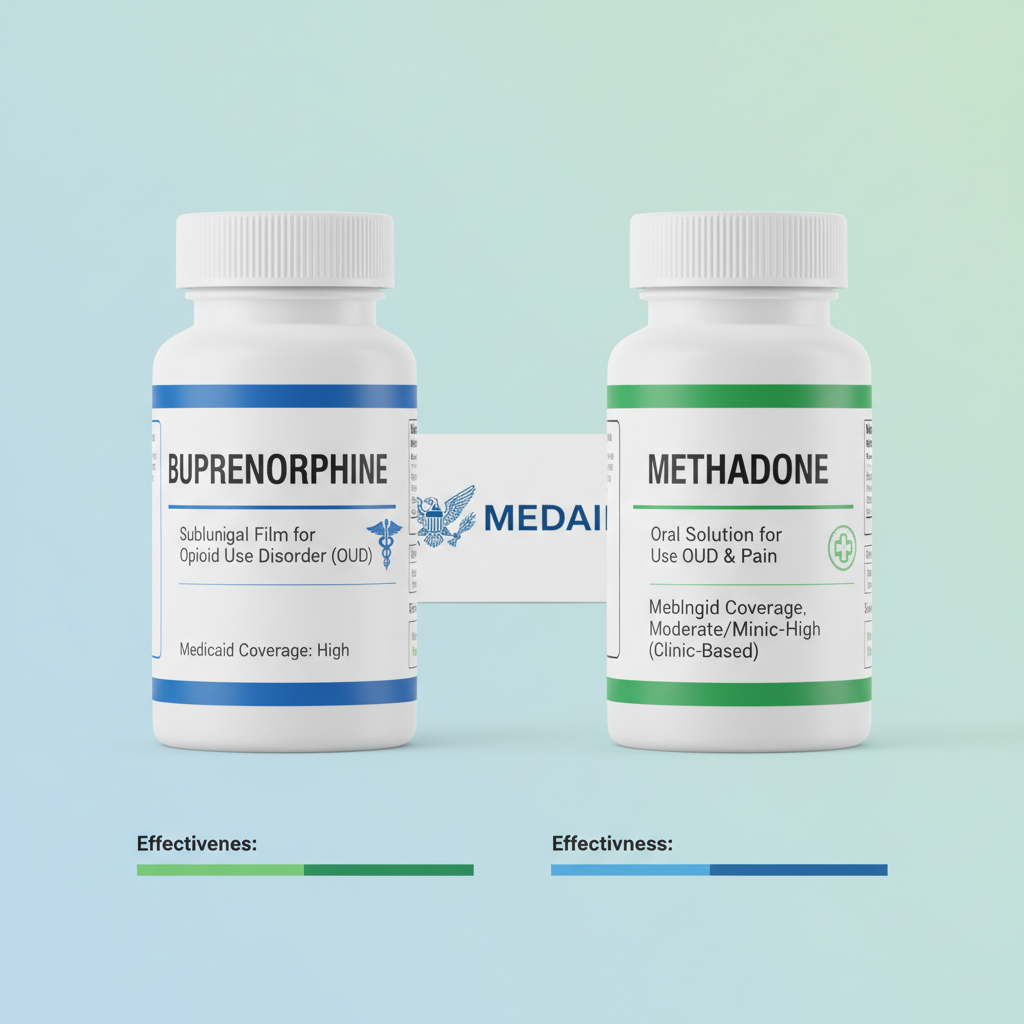
Medication-assisted treatment (MAT) is widely recognized as one of the most effective courses of action for opioid addiction, including in pregnant women. Endorsed by reputable organizations such as the American College of Obstetricians and Gynecologists (ACOG), MAT integrates FDA-approved medications like methadone or buprenorphine with therapy and counseling. These medications bind to the same receptors in your brain as heroin or prescription opioids but in ways that reduce cravings and withdrawal symptoms.
At Addiction Treatment Centers of MD, you have access to medication assisted treatment that fits your health profile. Methadone, for instance, has a long track record of successfully helping pregnant participants stabilize their lives, though close medical supervision is crucial to ensure appropriately adjusted dosages. Alternatively, buprenorphine is another viable option that may lead to slightly better neonatal outcomes for some mothers. Researchers have noted that buprenorphine might result in shorter hospital stays for newborns compared to other options, although every pregnancy is unique.
Since MAT only covers one aspect of recovery, we also integrate supportive counseling or substance use counseling. This approach allows you to address psychological triggers, develop healthier coping mechanisms, and understand the root causes of your addiction. By combining medication management with ongoing counseling, we aim to keep you stable during pregnancy and reduce complications that may endanger you or your baby. Our ultimate mission is to give you the time, space, and expert guidance necessary for sustainable change.
Embracing comprehensive counseling
Pregnancy often heightens the emotional and psychological challenges of addiction recovery. Issues such as guilt, anxiety about your baby’s future, or the stigma of substance use during pregnancy can be intense. Engaging in addiction counseling sessions can help you comprehend these emotions and learn how to manage them productively. Strong counseling programs typically incorporate techniques like cognitive behavioral therapy (CBT) and motivational interviewing (MI), proven to be effective for substance use in prenatal populations.
At Addiction Treatment Centers of MD, you can rely on an empathetic, nonjudgmental atmosphere that draws from a variety of evidence-based techniques. Through one-on-one sessions, you have opportunities to explore your personal experiences, decision-making patterns, and aspirations for parenthood. Group therapy offers you the chance to bond with others in similar circumstances, bolstering your resilience and forging supportive relationships that extend well beyond treatment.
You may also opt for specialized sessions that involve your spouse, partner, or family members. Many mothers-to-be benefit from family counseling addiction, as it promotes open sharing of concerns, sets a foundation for healthy communication, and equips your support network with strategies to help you maintain sobriety. Since your loved ones likely play an essential role in your journey, we urge you to let them accompany you in therapy if you find that beneficial.
Managing physical and emotional changes
Balancing the physiological demands of pregnancy with the symptoms of withdrawal can be daunting. The reality of morning sickness, fluctuating hormone levels, and mood swings might feel overwhelming. Safe detoxification strategies help safeguard both you and your baby. For some individuals, medically assisted detox under expert supervision is crucial, especially when physical withdrawal poses heightened risks. During this phase, our dedicated clinical team tracks your vital signs, provides specialized prenatal monitoring, and connects you to other medical providers when necessary.
We also give due attention to emotional complexities. Expectant mothers often report anxiety concerning the baby’s health, fear of judgment, and ambivalence about the future. Our counselors and medical team, trained in pregnancy-specific issues, create tailored treatment programs that factor in these emotional shifts. Trust and empathy remain at the heart of our approach, enabling you to share experiences openly without feeling shamed or misunderstood.
When appropriate, we may integrate holistic therapies like mindfulness practices or gentle exercise regimens to help alleviate stress. Mindful meditation and yoga, for instance, can be modified to suit pregnancy, fostering a calmer mindset. Combined with medical oversight, this holistic approach addresses the entire spectrum of your needs: mental, physical, and emotional. By maintaining a stable treatment plan, you reduce the likelihood of relapse and can focus on nurturing a healthy pregnancy.
Creating a safety net for your newborn
One of the many rewards of engaging in structured treatment is the added protection it affords your baby. Both methadone and buprenorphine have been clinically demonstrated to lower the severity of neonatal withdrawal syndrome when compared to uncontrolled opioid use. Additionally, conscientious prenatal monitoring through OB-GYN visits and addiction-focused checkups leads to timely interventions if complications arise.
Having a robust postpartum plan is also vital. Once your baby arrives, you may face new triggers like postpartum depression, sleeplessness, or changing family dynamics. If you feel uncertain about your next steps, consider our postpartum addiction treatment, where you can receive continued support tailored to you as a new parent. These programs address hormonal fluctuations after birth, breastfeeding, and the emotional challenges of newly expanded responsibilities. When you build a strong foundation prior to delivery, it becomes easier to transition into the postpartum period while prioritizing your recovery.
Establishing a nurturing environment at home is equally important. If your broader situation includes strains such as housing insecurity or financial constraints, local and national resources are available. For vulnerable mothers, the Substance Abuse and Mental Health Services Administration (SAMHSA) provides helplines and referral services, aimed at bridging gaps in care. You can also explore case coordination addiction services at our facility, which streamline connections to essential community resources.
Addressing co-occurring disorders
It is not unusual for pregnant women experiencing substance use disorders to contend with mental health issues such as depression, anxiety, or a history of trauma. More than 30% of pregnant individuals with substance use disorders might screen positive for moderate to severe depression, as research from ACOG suggests. Ignoring mental health concerns can jeopardize your recovery progress, leading to an increased risk of relapse or complications.
Our co occurring disorders treatment model focuses on providing integrated care. For instance, you may need a psychiatric evaluation outpatient if you have persistent symptoms of anxiety or depression that are affecting your daily life. Your treatment team continuously collaborates to keep track of both your mental health status and your substance use behaviors, adjusting strategies as required. This cohesive effort ensures that you and your unborn child receive optimal care.
Integrated care extends to postpartum support. Depression and emotional turbulence can be particularly acute in the months after childbirth, adding another layer of vulnerability. By examining the interplay between addiction and mental health early in your pregnancy journey, you minimize the risk of postpartum complications. This comprehensive approach helps you cultivate an environment that supports long-term resilience and a stronger relationship with your newborn.
Navigating social and legal considerations
Expectant mothers dealing with addiction sometimes worry about potential legal repercussions or the involvement of child protective services. While these issues can be daunting, proactively seeking help is often in your best interest. Many organizations, including government agencies, acknowledge the importance of empathic treatment approaches over punitive measures, and stepping forward to begin treatment symbolizes your commitment to improving your baby’s outlook on life.
Addiction Treatment Centers of MD respects your confidentiality and supports you as you navigate any social hurdles. We realize that some circumstances might involve DUI or DWI concerns, and in those instances, you could benefit from court mandated dui classes. Engaging in such programs not only indicates accountability but may also relieve legal burdens. Ultimately, confronting issues early can help avert more complicated scenarios later, ensuring you put yourself and your child on a path to safety.
We also offer resources like housing referral addiction services and connections to nutritional guidance if you struggle with a lack of stable living arrangements or access to healthy foods. Beyond clinical treatment, these social components deeply influence your quality of life and, in turn, your commitment to sobriety. Our aim is to create protective nets so that you do not face additional risks that might threaten your pregnancy.
Planning for postpartum sustainability
Recovery does not end the moment you bring your child into the world. In fact, the postpartum period can present brand-new stressors. Extended family might add pressure, routine medical visits for the newborn can be exhausting, and the demands of caring for an infant can escalate anxiety. A robust aftercare program therefore becomes a critical element in maintaining sobriety. Through relapse prevention planning, you learn to identify triggers, develop coping strategies, and establish a clear plan of action if the urge to use resurfaces.
Our approach involves linking you with aftercare support services that encourage consistent follow-up. This could be as straightforward as weekly counseling sessions, or as thorough as ongoing medication management. You can also benefit from sobriety support groups, where you will meet like-minded individuals who share experiences about adjusting to life after childbirth. Overcoming addiction requires continuing adaptations, and postpartum life demands attention to self-care so you can be fully present for your child.
A vital pillar of postpartum sustainability is addressing potential postpartum depression or anxiety disorder. Even women who have never experienced mental health conditions can be vulnerable. Therefore, routine evaluations and repeated psychiatric evaluation outpatient visits can catch issues early. Taking the time to manage your mental wellness keeps you better equipped to nurture your baby and remain steady in your recovery.
Experiencing compassionate care
At Addiction Treatment Centers of MD, we emphasize a calm, nurturing place where you can focus on healing. In addition to medication-assisted approaches and therapy, compassion guides our actions. If you prioritize a personal, empathetic experience, our compassionate care addiction services might be the ideal fit. Expectant mothers frequently feel guilt or shame over substance use, but our team does not judge. Instead, we direct our efforts toward creating a supportive environment that meets you wherever you are in your journey.
We design each plan based on your personal history, medical status, and emotional readiness. We will also help coordinate any recommended screenings to verify your eligibility for insurance coverage (insurance verified addiction treatment) or explore financial support through options like sliding scale payment addiction. These practical considerations help reduce stress related to finances, so you can place your energy on healing.
Comprehensive care means guiding you from the first assessment all the way to motherhood, ensuring any potential obstacles are minimized with thorough planning. You not only receive immediate medical and emotional support, but we also extend our assistance to your long-term success, helping you progress toward the life you envision cherished with your baby.
Ensuring continuity through postpartum
The transition to motherhood brings complex hormonal, emotional, and lifestyle changes that challenge even those without a history of substance use. When addiction is part of the equation, the postpartum period can significantly increase your risk of relapse if you do not have strong follow-up care in place. Our postpartum resources integrate some of the same supportive measures you received during pregnancy, with modifications to address the realities of parenting an infant. Consistency in therapy, medication management, and check-ins with caregivers fosters a sense of stability.
During postpartum consultations, we assess your mental health, discuss breastfeeding options if relevant, and monitor your overall well-being. Any changes in medication or therapy are thoughtfully considered to prevent disruptions. We also collaborate with pediatricians and family service providers, ensuring your baby’s health needs are met. If you require additional resources, such as parenting classes or specialized addiction programs for new mothers, we connect you with those networks.
Our goal is to empower you with long-lasting skills and coping strategies. You gain the ability to adapt to challenges, whether those arise from changing family dynamics or the stress of caring for a newborn. Parenting is a profound responsibility, and you deserve a network of supportive individuals who recognize and address the interplay between addiction and the complexities of motherhood.
Finding hope in community
Isolation amplifies the difficulties of addiction and pregnancy, yet sharing experiences can spark an empowering sense of unity. Many pregnant individuals discover renewed hope and resilience by engaging with group-based support, such as group therapy substance use or local community gatherings. You can learn how others overcame similar obstacles, tapping into collective wisdom that you might not find alone.
A robust community provides more than emotional reassurance. It becomes a practical sounding board where you can get recommendations for child-friendly recovery events, nutritional tips for pregnant or postpartum mothers, and insights on coping with stress. Gathering advice from peers who have already navigated these complexities can greatly shorten your learning curve while giving you confidence in your decisions. By immersing yourself in a strong local or virtual community, you open yourself to growth and shared accountability.
We also encourage you to access specialized resources from organizations like community outreach addiction programs and national helplines. SAMHSA’s Helpline, which saw a 27% increase in calls from 2019 to 2020, is available 24/7, reflecting a growing demand for immediate guidance. By connecting with these channels, you stay informed of the latest best practices, reinforcing your resolve to remain committed to a healthy pregnancy and long-term well-being.
Exploring integrated care options
Every expectant mother’s journey is unique. You might thrive in an outpatient model where you attend therapy sessions while maintaining daily routines. Or you may need a more structured environment akin to residential programs, although many pregnant women prefer to keep close connections with family. We recognize these differing needs, and our integrated framework is designed to flex around you.
For example, if you require consistent attention and accountability but still have responsibilities, one option is our addiction therapy outpatient service. You would attend scheduled counseling sessions, develop coping strategies, and possibly join specialized groups. Another possibility is telehealth addiction counseling if distance or limited mobility is a barrier to in-person visits. Whatever format suits you, each method retains the essential elements: evidence-based care, empathy, and thorough prenatal attention.
When integrated care is effective, your recovery doesn’t fragment into separate pieces. Instead, it becomes a cohesive experience, linking medical, psychological, and social supports so that each aspect of your life is in sync. The end result? A more harmonious pregnancy, improved outcomes for your newborn, and a stable foundation for life as a new mother.
Refining your relapse prevention plan
A crucial step of pregnant women addiction treatment is mapping out a realistic strategy for ongoing sobriety. Throughout your pregnancy, you develop coping techniques and identify triggers, but the postpartum environment may introduce new ones. For instance, you could feel stressed during late-night nursery feedings or if you experience postpartum depression. Revisiting and refining your relapse prevention plan ensures that it stays relevant to your life as you transition into parenthood.
One vital principle is building a wide support network, which may include sponsors, mentors, or close friends who understand your situation. Set up check-ins with your counselors or other team members. These routine evaluations let you gauge your progress and make small adjustments if new challenges arise. If you notice a spike in emotional distress, you might schedule more frequent counseling appointments or reconnect with mara groups that focus on medication-assisted recovery.
To create a practical toolbox, list strategies you can lean on when cravings or difficult emotions arise. It could be as simple as taking a few deep breaths, texting a trusted friend, or reaching out to your counselor. Furthermore, consider enrolling in anger management outpatient sessions if you sense rising irritability. By systematically developing these coping approaches, you protect both your well-being and your child’s environment.
FAQs about pregnancy and treatment
-
Will treating my addiction during pregnancy hurt my baby?
On the contrary, seeking professional treatment during pregnancy is typically one of the best ways to protect your baby. Approaches like medication-assisted treatment (MAT) reduce cravings and withdrawal symptoms, helping you stabilize your health. Research indicates that mothers who receive structured treatment often have better pregnancy outcomes, including lower rates of preterm birth and improved maternal bonding. -
Is it safe to use methadone or buprenorphine while pregnant?
Methadone and buprenorphine are recognized by the CDC, ACOG, and other authorities as safe for pregnant individuals when prescribed and monitored by qualified professionals. Though your newborn may still experience some withdrawal symptoms at birth, these are generally milder compared to unmanaged opioid use. Medical supervision throughout your pregnancy helps optimize dosage levels so that both you and your baby remain stable. -
What if I need help after my baby is born?
Addiction Treatment Centers of MD offers robust postpartum support. We understand that new responsibilities, hormonal changes, and fatigue can exacerbate cravings or mental health symptoms. Through postpartum check-ins, counseling, or postpartum addiction treatment, you can continue receiving the care necessary to stay sober and meet your baby’s needs. -
Can I breastfeed if I am still on medication for my addiction?
Many women on a medication-assisted regimen can safely breastfeed, especially if they are on a stable dose of methadone or buprenorphine, as recommended by a healthcare professional. Breastfeeding can reduce the severity of neonatal withdrawal symptoms. However, you should discuss all medication concerns, including usage of any substances, with your doctor or lactation consultant to ensure safety. -
How do I handle legal issues if I admit to substance use during pregnancy?
While requirements vary by region, seeking treatment often demonstrates your proactive initiative to keep your baby safe. Addiction Treatment Centers of MD can assist you with court mandated dui classes if necessary, and we can connect you with legal resources or community agencies. Taking these steps can help clarify your commitment to sobriety and potentially mitigate additional legal complications.
Moving forward with confidence
You have every reason to believe that a healthy life for both you and your baby is within reach. By acknowledging the complexities of pregnancy, addiction, and mental health, you are already taking a vital step. At Addiction Treatment Centers of MD, we tailor our treatment programs to address every stage of pregnancy and beyond, ensuring you feel empowered, supported, and ready for whatever comes next.
Whether you require medication-assisted strategies, specialized counseling, or extended postpartum care, our team stands by your side. We help you identify destructive habits, devise coping mechanisms, and build supportive networks. With empathy, professionalism, and comprehensive care, you can stride confidently into parenthood armed with tools that enrich not only your life but that of your child.
If you or a loved one is seeking compassionate, effective pregnant women addiction treatment, consider exploring our range of supportive programs. We are here to guide you in making informed decisions that protect your health and set the foundation for a stable, nurturing future. Through determination, expert guidance, and a supportive community, freedom from addiction is possible, ensuring you and your baby can thrive together.