
Introduction to outpatient psychiatric evaluation
If you or a loved one has been researching how to address opioid addiction or co-occurring conditions, you may have come across the concept of “psychiatric evaluation outpatient.” This type of evaluation is an important first step in identifying emotional challenges, mental health conditions, and other factors that may affect your recovery journey. By receiving an assessment in an outpatient setting, you can continue managing daily obligations—work, family responsibilities, personal commitments—while exploring treatment options tailored to you.
At Addiction Treatment Centers of MD, we believe that thorough evaluations are essential to ensure that you receive the most suitable care plan. Our approach is empathetic and professional, aiming to empower you as you embrace hope and healing. We recognize that, for many, the stigma attached to addiction or the demands of traditional gender roles may hinder reaching out for help. By offering a supportive environment, we strive to help you overcome shame or uncertainty and move toward enduring recovery. Below, we outline key components of psychiatric evaluation in an outpatient context, along with the advantages of seeking help through a trusted provider.
Key factors in outpatient care
When exploring outpatient services, it can be beneficial to understand the elements that determine the success of your treatment plan. Outpatient psychiatric evaluations, tailored counseling, and medication management often come together to form a holistic approach. According to Penn Highlands Healthcare, outpatient programs allow you to receive mental health support without needing overnight hospital stays, helping you remain connected to work, family, and social activities (Penn Highlands Healthcare).
Importance of screening and assessment
Screening and assessment represent two distinct but interconnected steps in understanding your mental health needs. Screening is a preliminary process used to flag potential issues such as opioid misuse, depression, or anxiety disorders. Assessment is more comprehensive, confirming the presence and severity of those issues, then suggesting the most appropriate treatments (NCBI Bookshelf).
- Screening: Involves short interviews or standardized questionnaires to detect potential problems.
- Assessment: Entails in-depth clinical evaluation to confirm the diagnosis and recommend targeted solutions.
This nuanced approach emphasizes the complexity of mental health challenges. By identifying any co-occurring conditions, you or your loved one can receive integrated care that addresses every aspect of recovery. At Addiction Treatment Centers of MD, we recognize how vital these initial steps can be in guiding an effective treatment plan.
Role of shame and stigma
Shame—and the social stigma it fuels—is often a formidable barrier to reaching out for support. Men, in particular, may feel compelled to appear strong and emotionally invulnerable, which can result in hesitation to discuss personal struggles. Nonetheless, acknowledging your emotional state is a key part of building resilience and moving beyond harmful coping mechanisms. Compassionate outpatient providers strive to create an environment where you feel safe sharing your experiences. By openly addressing shame, screenings can occur earlier, letting you receive care before issues escalate (NCBI Bookshelf).
Advantages of choosing our center
Selecting the right treatment facility can profoundly influence your long-term success. At Addiction Treatment Centers of MD, you have access to a highly trained clinical team specializing in opioid recovery, counseling, and DUI/DWI education. Our programs integrate thorough evaluations with personalized strategies so that you can confidently pursue each stage of the healing process.
- Holistic approach: We focus on every facet of the recovery journey—physical, mental, and emotional. If you require medication as part of your plan, we offer medication assisted treatment solutions that complement psychotherapeutic methods.
- Dedicated professionals: Our specialists understand the unique challenges men and women face when confronting substance use. This empathy guarantees a welcoming atmosphere where you can openly discuss personal barriers.
- Comprehensive options: Whether you need suboxone treatment, addiction counseling, or advanced services like intensive outpatient group therapy, we are prepared to guide you toward the most fitting program.
- Continuous support: Even after you complete an outpatient evaluation and embark on therapy, we remain committed to your well-being. Our follow-up services and scheduling assistance make it easier to attend sessions, follow through on appointments, and sustain progress.
Your confidence and trust are priorities for us. We aim to provide not just short-term relief, but also the support necessary for lasting recovery.
Screening and assessment process
Your outpatient evaluation starts with a screening, which can span everything from in-person interviews to self-reported questionnaires. This step reveals your immediate needs and flags any co-occurring disorders, such as anxiety, depression, or post-traumatic stress that might accompany opioid misuse or other substance use.
How assessment refines care
Once the screening phase is complete, a deeper assessment confirms the presence and severity of any mental health challenges. Clinicians might use timeline follow-back procedures, visually mapping out your substance use patterns and related behaviors. Collecting precise data ensures that your care plan—and potential medication strategies—is customized to your situation (NCBI Bookshelf). This is especially relevant for men who may minimize or overlook the scope of their struggles due to societal norms that discourage displaying vulnerability.
Through a thorough assessment:
- You receive clarity on the nature of your mental health needs.
- Potential stigmas associated with seeking treatment are promptly addressed.
- You gain insight into treatment modalities proven to be effective, whether that includes group therapy, individual sessions, or a combination of both.
Topics covered during evaluations
Additionally, the assessment often covers sexual health and intimacy, essential factors in understanding how your mental health affects relationships and self-image. In the case of men, a thorough conversation about sexual orientation, relationship goals, and masculinity can help your therapist identify particular sources of shame or emotional distress. By targeting these areas, you can move forward with a well-informed plan designed for lasting change.
Tailored therapy options explored
Because every individual experiences addiction or mental health challenges differently, therapy should accommodate those unique elements. Outpatient therapy is especially flexible, allowing you to maintain a routine while receiving dedicated support.
Individual counseling approaches
Some patients respond best to individual therapy sessions that focus on identifying negative thought patterns and reshaping them into healthier coping strategies. Cognitive Behavioral Therapy (CBT) is a prime example of an evidence-based method that helps you replace destructive thought processes with constructive choices. If you are overwhelmed by intense cravings or triggers, CBT techniques can be invaluable in managing day-to-day challenges.
Group-based solutions
Others may prefer or benefit from group settings, such as group therapy substance use. These sessions foster camaraderie, allowing participants to share triumphs and struggles while learning from others with comparable experiences. If you thrive on social support and accountability, group therapy can be a powerful tool in your recovery. Similarly, intensive outpatient group therapy offers a more structured schedule if you need comprehensive support while still living at home.
Family-focused interventions
Addiction can strain relationships with loved ones. That is why we recommend family counseling addiction to reestablish trust and facilitate open communication. Addressing personal dynamics within your household can reduce conflicts and create a lasting support network that aids your recovery. When multiple family members participate, they gain insights into how best to encourage your progress.
Addressing co-occurring disorders
Many individuals with substance use disorders also experience mental health conditions like depression or anxiety. By pursuing co-occurring disorders treatment, you can tackle these intertwined issues simultaneously. This approach often yields more sustainable results because it accounts for all aspects of your psychological makeup, ensuring that anxiety, depression, or other comorbidities do not undermine your progress in addiction recovery.
Role of medication in care
Medication can be a crucial component of your outpatient care plan, especially for opioid addiction. According to the Mayo Clinic, treatment for serious mental health challenges often requires a combination of medicine, psychotherapy, or complementary strategies like transcranial magnetic stimulation or electroconvulsive therapy (Mayo Clinic). More commonly, your doctor may prescribe medications to manage cravings, stabilize mood, or reduce withdrawal symptoms.
Medication assisted treatment
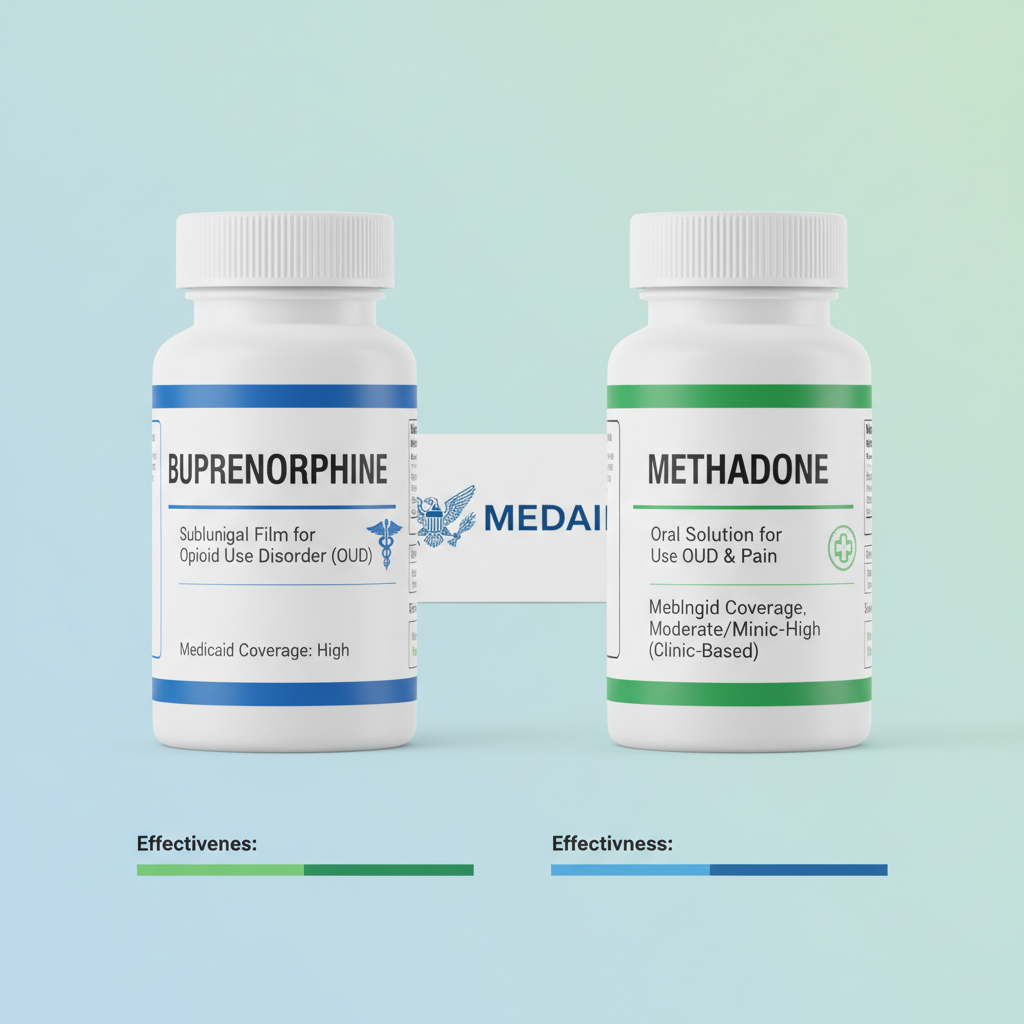
Medication assisted treatment (MAT) combines medication with counseling for an integrated approach. In particular, opioid use disorders can benefit from Suboxone or Methadone, two medications that ease withdrawal and curb cravings, so you can more effectively focus on therapy and life reintegration.
Medically assisted detox
If you need to safely transition away from opioid use, medically assisted detox provides around-the-clock oversight from medical professionals who ensure that withdrawal symptoms are managed effectively. After completing detox, you can enter an outpatient program, where continued medication use under professional guidance supports your well-being and further stabilizes day-to-day functioning.
Balancing medication with therapy
While medication can substantially enhance treatment outcomes, it works best when coupled with therapies such as CBT or motivational interviewing. Ensuring you have a strong mental health support system can boost adherence to prescribed medication and bolster ongoing recovery.
Encouraging engagement for recovery
In an outpatient setting, consistent engagement—attending scheduled appointments, interacting with therapists—often correlates with improved results. Research indicates that patients who have prescheduled appointments upon discharge from inpatient care are more likely to follow through on outpatient services (NCBI). This holds true whether you are addressing an opioid addiction, a dual diagnosis, or a blend of mental health challenges. The formal structure of follow-up appointments can keep you on track, ensuring that any issues or new triggers are addressed promptly.
Fostering a recovery-oriented climate
Your success also hinges on the ability of your outpatient provider to create a supportive, recovery-centered atmosphere. By emphasizing respect, autonomy, and personal goals, treatment becomes more than mere crisis management—it becomes a journey toward sustainable wellness. That is why we place special importance on open communication and empathetic listening. We want you to feel secure in sharing any concerns, progress, or setbacks.
Building a strong alliance with your care team
Your relationship with therapists, counselors, and medical providers has a tangible impact on your capacity to remain in therapy. A warm and trusting working relationship encourages honesty, which in turn empowers us to respond effectively to changing circumstances. Without this alliance, you may feel less inclined to attend sessions or apply newly learned coping skills in real-life settings. By contrast, a positive therapeutic bond fosters greater accountability and willingness to incorporate feedback.
Benefiting from supportive networks
Beyond clinical care, your social network—family, friends, or support groups—can play a central role in staying engaged. Joining local or online groups that understand addiction challenges can provide additional motivation to maintain progress. If you do not have robust support at home, consider connecting with communities like mara groups or sobriety support groups that enable peer learning and accountability.
Frequently asked questions (FAQ)
-
What is an outpatient psychiatric evaluation?
An outpatient psychiatric evaluation is an in-depth review of your mental health and substance use history. In an outpatient setting, you meet with clinicians for scheduled appointments, allowing you to maintain daily responsibilities. It typically includes screenings, in-depth assessments, and personalized recommendations for therapy or medication. -
How do I know if I need such an evaluation?
If you are experiencing unhealthy patterns of substance use, emotional distress, or significant changes in mood and behavior, a professional assessment can help pinpoint any underlying concerns. Outpatient evaluations are ideal if you require mental health support but do not need 24-hour supervision. -
Will I always be prescribed medication after the evaluation?
Medication decisions are based on individual circumstances. While some people benefit from medication assisted treatment, others may find success purely through therapy, lifestyle modifications, or support groups. Your evaluation helps determine whether medication is beneficial based on your personal history, symptoms, and comfort level. -
What if I have both a substance use disorder and a mental health condition?
You can benefit from co-occurring disorders treatment, which addresses both concerns simultaneously. By receiving integrated care, you reduce the risk of one condition complicating the other. This holistic approach often yields more effective long-term outcomes. -
Why choose Addiction Treatment Centers of MD?
We offer a comprehensive framework that includes substance use counseling, thorough evaluations, and individualized care. Our empathetic team recognizes the societal, emotional, and psychological pressures you may face, tailoring every element of the program to your unique needs. Our ultimate goal is to foster resilience and a sense of hope that leads to long-lasting recovery.
Final thoughts
Choosing the right outpatient psychiatric evaluation can profoundly affect your journey toward overcoming opioid addiction and other mental health challenges. By receiving a comprehensive screening and assessment, you set the stage for an effective treatment plan that aligns with your personal circumstances. Incorporating family support, group therapy, or specialized medication management can amplify the success of your outpatient experience.
At Addiction Treatment Centers of MD, we provide a nurturing environment designed to reduce shame and empower you to embrace treatment wholeheartedly. From suboxone treatment to court mandated dui classes, and from individual therapy to intensive outpatient group therapy, we are dedicated to helping you find the best possible path forward. We also appreciate that every recovery story is personal, influenced by various social and emotional factors, so we aim to offer the support necessary for lasting recovery.
By working closely with our team, you can pursue positive change with compassion and guidance. Ultimately, outpatient psychiatric evaluations act as a stepping stone toward clarity, motivation, and improved mental health, enabling you to reclaim your life from addiction and any related psychiatric concerns. We welcome you to explore our services, schedule an evaluation, and begin building the healthier future you envision for yourself or a loved one.