
Understand family counseling
Family counseling for addiction can be a vital step toward healing when you or a loved one struggles with substance use. This therapeutic approach addresses the full picture of addiction, focusing on how each family member is affected and how their interactions can either hinder or help progress. While individual therapy offers a space for personal reflection, family-oriented sessions consider everyone involved, weaving together the complex web of relationships that have formed around substance misuse.
When you embark on family counseling, you do not face the recovery process in isolation. Instead, you and your family members gain an opportunity to unpack the emotional and behavioral patterns that have built up over time. Many families experience systemic issues, such as difficulty expressing themselves or enabling behaviors that prolong substance use. According to research, families often unintentionally encourage continued misuse of substances under the desire to “keep the peace” or avoid conflict (Grand Canyon University). By talking openly in a structured environment, you can learn how to break these negative cycles.
Although many assume addiction affects only the person misusing a substance, the truth is that it touches parents, children, siblings, spouses, and even extended relatives. Strained household finances, legal concerns, emotional disconnect, and fear of stigma are just some of the challenges families face. Family counseling aims to create a safe space for each household member to identify the role they play in the recovery journey while learning coping strategies, communication skills, and healthier dynamics. Recognizing your family’s potential for positive change is the first step on the path to collective healing.
Recognize the addiction impact
Substance use disorders, especially those involving opioids, tend to affect the entire household in subtle and overt ways. The strains of addiction can corrode communication, break down trust, and create rifts within the family structure. You might notice that joy in shared gatherings is replaced by anxiety, that saving for your future shifts into covering legal fees or health-care costs, and that honest conversations give way to secrecy or tension.
- Financial strains: Paying for addictive substances depletes family finances. A partner or parent may struggle if they must cover bills alone.
- Emotional distress: Feelings of worry, shame, or helplessness can become overwhelming. Over one in 10 children under the age of 18 live with at least one adult who has a substance use disorder (American Addiction Centers), which underscores the prevalence of this concern.
- Trust issues: Discovery of hidden use or lying often leads to conflict and deep resentment.
- Enabling behaviors: Family members may unintentionally support the addiction through behaviors such as providing money or covering up for missed commitments.
This collective strain can lead to long-lasting emotional trauma for everyone involved. In fact, parental substance use remains a frequent cause of family fragmentation. Numerous studies show that children in these environments are at higher risk of mental health issues and of developing a substance use disorder later in life (American Addiction Centers). Recognizing the scope of this impact is critical. By acknowledging the far-reaching influence addiction has, you are better prepared to address it directly and collaboratively.
If you are preparing to seek help or you have already started treatment, remember that your success also depends on support systems that extend beyond personal resilience. A reputable program such as addiction counseling equips you not only with individual strategies but also with ways to involve family members productively. The time you invest in comprehending how addiction transforms the entire household sets the stage for compassion, openness, and active healing.
Explore key therapy approaches
Family counseling relies on multiple therapeutic models that address the unique needs of everyone in the household. By integrating evidence-based methods, you can develop a holistic plan that helps you and your loved ones overcome the barriers to healthy functioning. A few of the major approaches to family counseling for addiction include:
Systemic-motivational therapy
Systemic-motivational therapy combines elements of systemic family therapy with Motivational Interviewing techniques. Instead of treating addiction solely as an individual issue, this approach looks at the broader environment in which substance misuse occurs. You and your family members work to understand beliefs about addiction and the ways these beliefs shape interactions. For instance, some families might view addiction as a moral failing, which can add shame to every discussion. Others might deny the severity of the problem. In systemic-motivational sessions, a counselor guides your family to re-examine these beliefs, assess harmful patterns, and collectively decide on strategies that support long-term abstinence (NCBI Bookshelf).
Multidimensional family therapy
Multidimensional Family Therapy (MDFT) is another widely referenced approach, particularly effective for adolescents. If you are supporting a teen who battles substance misuse, this method looks at the relationships and social systems that shape their experiences. School environments, friendships, and community influences all become part of the conversation. The goal is to resolve conflict, increase mutual understanding, and ensure each household member comprehends how best to support the adolescent’s recovery. The model has proven successful in encouraging better communication, lowering the risk of continued substance misuse, and guiding families toward healthier everyday interactions (NCBI Bookshelf).
Behavioral couples and family counseling
Therapeutic methods such as Behavioral Couples Therapy (BCT) and Behavioral Family Therapy (BFT) focus on relationship quality, communication skills, and positive reinforcement. If you and your partner struggle with communication due to drug or alcohol misuse, BCT can help you both rebuild trust via problem-solving exercises, daily affirmations, agreed-upon boundaries, and accountability steps. Studies show that couples who try BCT have higher rates of maintaining sobriety and improved relationship satisfaction over those who pursue only individual treatment (NCBI Bookshelf).
Psychoeducation programs
Addiction recovery often benefits from psychoeducation, an approach embedded within many family therapy models. While counseling sessions focus on emotional and behavioral patterns, psychoeducation presents you and your loved ones with scientific and medical facts on addiction, relapse triggers, withdrawal symptoms, and the pharmacology behind certain treatment methods. By demystifying the process, psychoeducation empowers every family member to replace fear or misconceptions with practical knowledge. This heightened awareness fosters better understanding and empathy as the household supports the person in treatment, whether they are undergoing suboxone treatment, medication assisted treatment, or intensive outpatient group therapy.
Integrating specialized services
Family counseling often complements other interventions. If you or a loved one requires comprehensive support, pairing relatives’ therapy with dual diagnosis treatment could help address co-occurring mental health disorders that may affect relationships. Similarly, those dealing with legal challenges can find synergy by combining family counseling with court mandated dui classes. Ultimately, constructing a well-rounded plan ensures that healing efforts emerge from every angle, minimizing potential setbacks and emphasizing sustainable progress.
Embrace the key benefits
Engaging in family counseling for addiction creates a powerful ripple effect that touches every part of your life. By shedding detrimental patterns and learning new, healthier ways to communicate, you bolster the odds of sustaining long-lasting recovery for the entire household. Incorporating family therapy gives space for healing at both the group and individual level, leading to:
Improved communication and conflict resolution
- Clearer conversations: You and your relatives practice articulating needs and feelings honestly.
- De-escalation skills: Family counseling sessions equip you with techniques to handle disagreements before they spiral into damaging arguments.
- Consistent support: A stable communication channel ensures everyone knows how to offer help when cravings, triggers, or emotional distress arise.
Instead of relying on old patterns of denial or hidden resentment, you can develop new habits based on openness and respect. Through repeated practice, these skills become second nature, influencing how you respond to daily stressors.
Strengthened trust and relationship bonds
Trust is one of the first casualties of substance misuse; rebuilding it is a gradual process requiring intentional effort. Family therapy, however, has a unique advantage. Because all members meet in a structured session, progress is measured and recognized collectively. Over time, you see that accountability becomes a shared goal, and incremental successes build real optimism. This renewed trust helps:
- Reinforce boundaries: No one has to guess the limits around enabling behaviors or hold unspoken expectations.
- Promote a sense of teamwork: You gain allies who understand your motivations and are willing to help you stay on track.
- Enhance emotional intimacy: Loved ones are no longer left in the dark about anxieties or triggers, improving closeness and understanding.
Reduced relapse risks
Evidence suggests that involving family in treatment significantly enhances the likelihood of ongoing abstinence and improved mental health (American Addiction Centers). Family therapy participants often find that loved ones become motivators instead of potential triggers. They update each other on milestones, remind each other of coping strategies, and celebrate victories. This extension of accountability fortifies your personal commitment to sobriety and day-to-day balance.
Greater understanding of addiction’s root causes
Families frequently misunderstand the origins and complexities of substance misuse. Many assume a person can simply “choose” not to drink or use drugs, but genetics, environmental factors, and co-occurring disorders also play roles. By learning how mental health, social stressors, and biology intersect, everyone gains a clearer perspective of addiction as a medical condition rather than a moral failing. This insight leads to fewer judgments, boosted empathy, and an enhanced willingness to continue in therapy even when the process feels challenging.
Real connection across generations
Family counseling is not limited to the immediate resolution of crises. It also helps you repair relationship patterns that may have existed long before anyone took a drink or misused a prescription. For example, an adult child who grew up in a home overshadowed by alcohol might have deep-seated mistrust or negative beliefs about communication. You have an opportunity to challenge these beliefs, explore potential generational cycles of addiction, and learn new ways to give and receive emotional support.
Choose Addiction Treatment Centers of MD
When you step into Addiction Treatment Centers of MD, you choose a provider that recognizes your family’s unique challenges and invests in an environment of unity, empathy, and specialized knowledge. Our team understands that a sustainable recovery journey must account for issues like co-occurring disorders, family trauma, and social pressures that complicate everyday living. Below are critical ways we take a comprehensive approach to addiction and family counseling:
Personalized, flexible care
Our philosophy revolves around individualized treatment. You and your loved ones will find options for medically assisted detox if you require a safe and supervised approach to withdrawal. Whether you prefer individual therapy or intensive outpatient group therapy, we integrate sessions that prioritize family counseling. This means that every plan can incorporate consistent family involvement, psychoeducation, and structured communication exercises.
- Specialized support: For those needing pregnant women addiction treatment or men substance use program, we tailor our recommendations to account for any specific challenges.
- Dual-diagnosis expertise: Many individuals struggle with mental health alongside addiction, and our co occurring disorders treatment ensures that therapy addresses every aspect of your well-being.
- Scheduling ease: We realize that family members have varied obligations, so we offer flexible scheduling and even telehealth addiction counseling for remote discussions that fit busy routines.
Coordination with additional services
One of the strengths of our center is the holistic blend of services you can access in a single setting. For instance, if you need court mandated dui classes, we ensure your counseling appointments dovetail with all court requirements. Likewise, you might take advantage of relapse prevention planning to reinforce skills you learned in family therapy. Your work in these programs feeds back into healing at home, creating a synchronized plan for an enduring recovery.
We also incorporate case coordination addiction support when multiple providers or government agencies must be involved. By simplifying the management of your overall care, you lessen the risk of communication breakdowns or conflicting treatment goals. This integrated structure encourages a smoother experience and more consistent follow-through, benefiting you and your loved ones.
An inclusive, supportive atmosphere
Family involvement can enrich the healing process, but everyone must feel genuinely welcomed. Our staff is trained to address the emotional needs that arise when families reconnect after months or years of tension. We facilitate open conversations, encourage each member to express feelings with respect, and model constructive language to help you break free from old conflict styles.
From substance use counseling sessions to aftercare support services, we aim to equip you with practical exercises and reflect on emotional milestones. This structure supports individuals and families in forging new pathways, whether that means establishing a regular family check-in schedule or forming a supportive network that extends well beyond treatment.
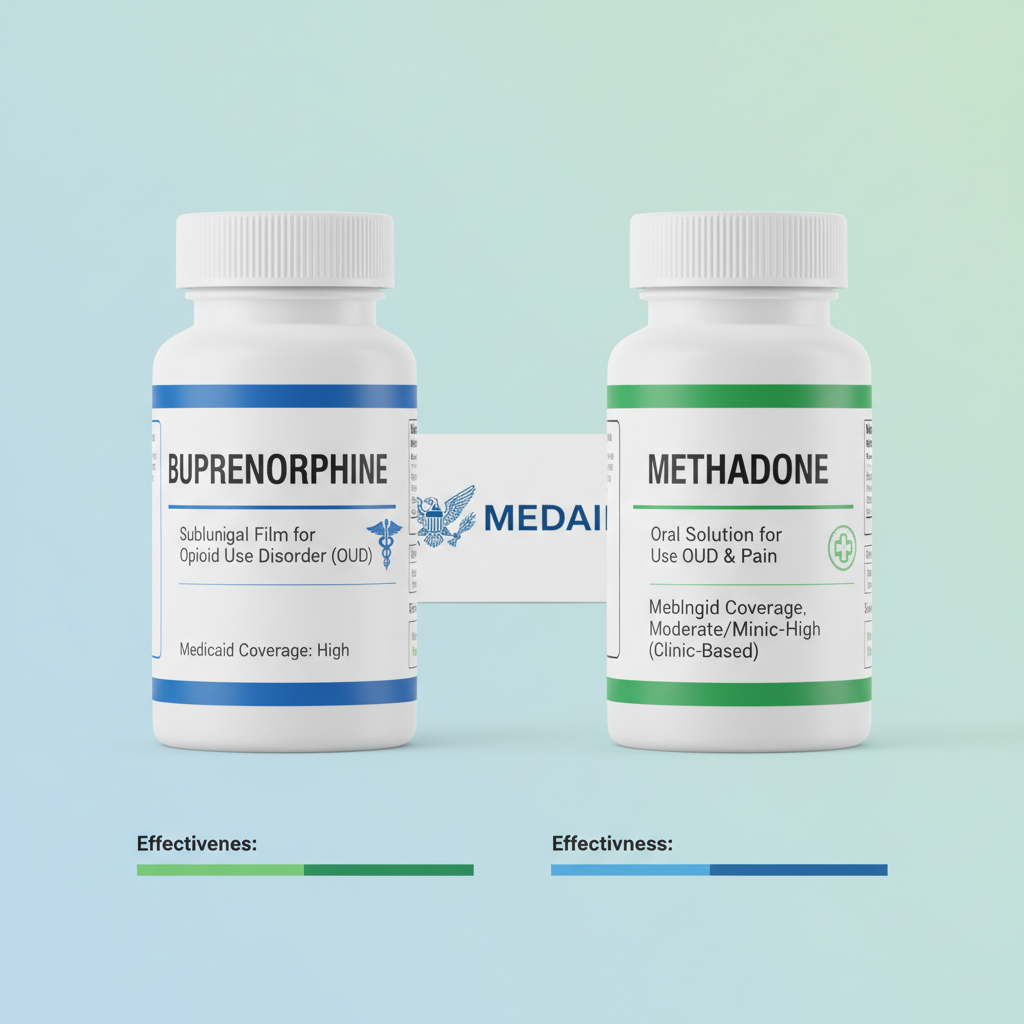
For those exploring opioid recovery, our staff offers a robust knowledge base in suboxone treatment and methadone treatment. By integrating medication with family therapy, you redefine your support network in a way that lightens the burden of cravings and fosters healing conversations.
Frequently asked questions
-
What is the difference between individual therapy and family counseling for addiction?
Individual therapy focuses on your personal experiences, emotions, and mental health goals, while family counseling includes multiple members of your household. Family-based sessions explore relationship dynamics, communication patterns, and how each person’s actions affect one another. Both forms of therapy can work together to support a more comprehensive recovery journey. -
How does family involvement improve outcomes in addiction treatment?
Family involvement can boost motivation, accountability, and emotional support. Research from the American Addiction Centers shows that people with strong family engagement remain in treatment longer, achieve better sobriety rates, and experience improved mental health overall. Involving loved ones means you share victories and challenges, decreasing the sense of isolation. -
What if my family is reluctant to participate in counseling?
It’s normal for some family members to hesitate, particularly if trust is strained or they’re overwhelmed by guilt and fear. Encourage them to share their concerns candidly. You can also speak with a counselor or intervention specialist who can help them understand how family therapy works and why their participation is significant. Over time, many relatives become more willing once they see how these sessions nurture healing and open dialogue. -
How long does family counseling typically last?
The length can vary based on your circumstances. Some families find a few months of weekly or bi-weekly sessions sufficient for communication improvements and conflict resolution. Others may continue periodically for a year or longer, especially if there are deep-rooted issues to address. At Addiction Treatment Centers of MD, we tailor the duration to meet your family’s specific progress and comfort level. -
Can family therapy help with relapse prevention?
Yes. By fostering open communication, improving conflict resolution, and building shared accountability, family members can play a pivotal role in spotting warning signs and providing timely support. Engaging in structured therapy creates a stronger understanding of relapse triggers and coping strategies, thereby lowering the risk of returning to substance use. This collective vigilance can make a substantial difference in maintaining long-term recovery.
Chart a path forward
Family counseling for addiction offers a transformative experience that goes beyond individual healing. You unite the household around a shared goal, turning points of tension into opportunities for growth. It’s normal to have conflicting emotions—relief in knowing help is available, reservations about exposing private struggles, and questions about how effective therapy might be. Yet every session you commit to takes you closer to a healthier, more cohesive home environment.
At Addiction Treatment Centers of MD, we encourage you to reach out and explore the many services we offer, from telehealth addiction counseling for those seeking flexible scheduling, to co-occurring disorders treatment if you face emotional or psychological concerns alongside substance use. By coordinating care across multiple channels, we help assure every aspect of your journey aligns with the ultimate goal of lasting sobriety and improved family life.
Your approach to recovery probably includes personal commitments, such as staying vigilant for triggers, attending sobriety support groups, and reassessing old behavior patterns. But family counseling amplifies these efforts by making sure each person in the household does their part. In doing so, you nurture a consistent sense of unity, accountability, and mutual encouragement. This united stance can be the key to sustaining your progress.
Whether you are just beginning to explore counseling or have tried other treatment options before, there’s never a wrong time to involve your family in the healing process. By unlocking open conversation, identifying root causes of conflict, and reinforcing bonds, you regain a sense of stability and hope. Let family counseling serve as your catalyst for genuine change, tapping into the collective strength of your loved ones to forge a future that transcends addiction, fosters respect, and empowers healthier relationships at every turn.