
Understanding medically assisted detox
When you first confront the reality of opioid addiction or alcohol dependence, it is natural to feel overwhelmed by the prospect of withdrawal. The physical and emotional intensity of stopping substance use can be daunting. This is where medically assisted detox becomes an essential ally in helping you transition away from harmful substances in a safe, supervised, and compassionate manner. By incorporating medications to minimize withdrawal discomfort and reduce cravings, this approach can offer significant relief. In turn, you are better prepared to move forward with the next phase of recovery.
In other words, medically assisted detox balances immediate safety with long-term well-being. While some people fear that medication might “replace one addiction with another,” the research shows a different reality. For example, Vivitrol, an antagonist medication used during detox and beyond, neither releases dopamine nor causes dependency. Instead, it blocks opioid receptors for up to a month at a time, substantially reducing relapse possibilities (Pinelands Recovery Center). Similarly, other medications such as Zipitrol can help prevent individuals from getting high if they use drugs or alcohol after discharge. When you take a closer look at these options, you will see they do not make you dependent. Rather, they aid in shielding you from relapse.
What medically assisted detox involves
Medically assisted detox involves a strategy that combines medication management, medical supervision, and emotional support. It is designed to guide you through withdrawal in a more comfortable way, reducing the possible risks associated with abruptly stopping substance use. These risks vary by substance. For instance, alcohol withdrawal can trigger intense tremors, hallucinations, seizures, and even life-threatening complications if not properly managed (NCBI Bookshelf). Opioid withdrawal, while typically less fatal, can be extremely uncomfortable, often leading to severe nausea, anxiety, and intense cravings.
Medical professionals who specialize in addiction and recovery typically customize your detox plan. Depending on the substance in question, your team might prescribe:
- Benzodiazepines for alcohol withdrawal, helping stabilize your nervous system and reduce the risk of seizures.
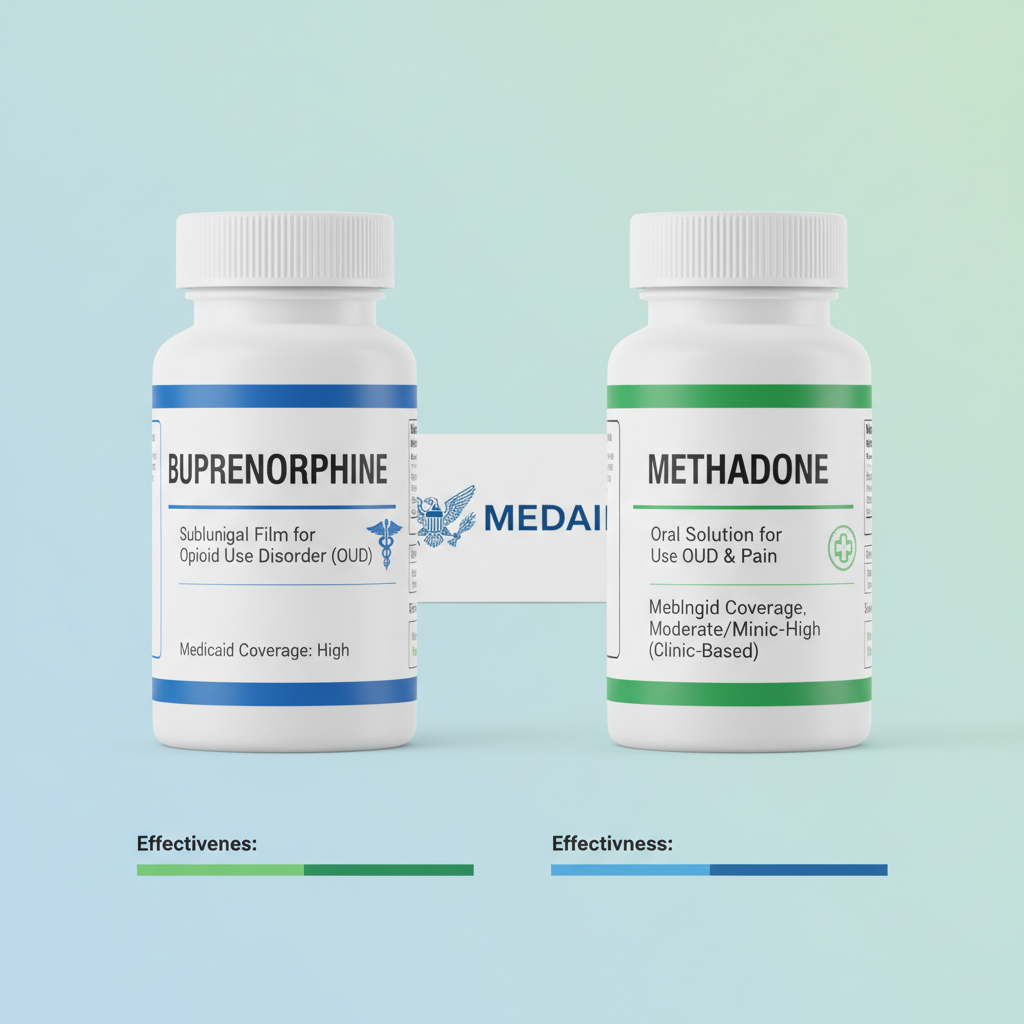
- Methadone or buprenorphine to stabilize opioid cravings and alleviate the severity of withdrawal.
- Naltrexone or Vivitrol to block the effects of opioids and reduce relapse risk.
- Adjunct therapies such as alpha-2 adrenoceptor agonists (e.g., lofexidine) to lower specific withdrawal symptoms.
In many cases, you may also need psychological and emotional support right from the start. The fear of withdrawal can discourage you from even trying to quit, which is why compassionate counseling and medical supervision work together to reassure you that your well-being is protected every step of the way. It is also why you often hear about therapies like suboxone treatment or medication assisted treatment as key components of an overall plan.
Physical and emotional benefits
Beyond improved safety, medically assisted detox offers a host of benefits for your well-being:
- Reduced discomfort: You do not have to endure the full brunt of withdrawal. Alleviating symptoms can help you feel more stable and less anxious, improving your chances of completing detox.
- Lower relapse risk: By curbing cravings, detox medications help you resist the urge to return to drug or alcohol use.
- Enhanced emotional stability: When you have fewer physical symptoms to battle, you can devote more energy to the emotional elements of recovery, like working through triggers and rebuilding self-confidence.
- Increased willingness to continue treatment: Many people worry that withdrawal will be unbearable. Medically assisted detox relieves most of these fears, encouraging you to stay in the program until you feel genuinely ready to move on.
Through the combined effect of prescribed medications and trained clinical guidance, you can approach the rest of your recovery journey on a firmer foundation.
Explore your path to recovery
Pursuing recovery is not just about getting drugs or alcohol out of your system. You also need the right guidance, direction, and resources to address the underlying factors that contributed to substance use in the first place. Medically assisted detox is often your first step in a continuum of care that might include counseling, therapy for co-occurring mental health concerns, peer support groups, and strong aftercare planning.
Overcoming fears of withdrawal
Withdrawal from substances can be physically taxing and emotionally draining. This is why detox services are so valuable when they come under medical supervision. Certain approaches, including those recommended by the Substance Abuse and Mental Health Services Administration (SAMHSA), integrate an array of safeguarding measures. For example, in 2020, SAMHSA reported a 27% rise in phone calls to its helpline, reaching 833,598 calls (SAMHSA). This significant increase suggests that more people are actively seeking support and guidance for substance-related struggles, highlighting the value of accessible professional services.
When you choose a medically assisted approach, you are giving yourself a far more comfortable start to recovery. If you or your family members have witnessed serious complications from withdrawal in the past, you know exactly how frightening those episodes can be. Compassionate care and certified professionals can alleviate many dangers through vigilant monitoring, therapeutic medication regimens, and immediate intervention should complications arise.
Medications that support detox
You might wonder how medication plays a positive role in detox. Each type of substance use disorder calls for a unique strategy. A few commonly prescribed medications for opioid detox include:
| Medication | Purpose | Notes |
|---|---|---|
| Methadone | A long-acting opioid that reduces cravings and withdrawal | Typically given under strict medical oversight, gradually tapered. |
| Buprenorphine | Partial μ opioid receptor agonist | May be reduced more quickly than methadone. Can help sustain detox. |
| Naltrexone (Vivitrol) | Opioid antagonist | Blocks opioid receptors, reducing relapse risk for up to a month. |
| Zipitrol | Designed to block euphoric effects of opioids or alcohol | Non-addictive, providing post-detox relapse protection. |
For alcohol withdrawal, benzodiazepines are the most frequently chosen medication. These calm the over-activity of the central nervous system. However, dosage adjustments courtesy of medical staff make sure you are neither under-medicated nor over-sedated, letting you navigate the process with fewer complications (NCBI Bookshelf). The steadying presence of a clinical team ensures the appropriate use of any medication.
Additionally, it is not unusual for some people to require medication for co-occurring mental health issues like depression or anxiety. In that sense, medically assisted detox becomes the first step toward a more comprehensive treatment plan that can continue through addiction counseling, individual therapy, and beyond.
Embrace specialized care
Because no two people experience addiction in exactly the same way, specialized care can be life-changing. One person might struggle with an opioid use disorder that stems from chronic pain. Another may have turned to alcohol to cope with unresolved trauma. There are also those who need urgent help with a DUI or DWI requirement. By acknowledging your individual history, physiology, emotional background, and social realities, you can find services created specifically to give you a greater chance for lasting recovery.
Why choose Addiction Treatment Centers of MD
When you decide to begin your journey at Addiction Treatment Centers of MD, you enter a supportive environment that takes your situation seriously, addresses your fears, and provides you with the tools you need to thrive beyond detox. Because our aim centers on personalized opioid addiction treatment and dual-diagnosis counseling, we recognize that physically stabilizing you with medically assisted detox is only the beginning.
Key reasons to consider us for your detox and follow-up care:
- Comprehensive, integrated approach: From detox to outpatient counseling and extended support, our center offers robust services that align with your recovery objectives.
- Individualized plans: We begin with a thorough assessment to determine your needs, substance usage timeline, and co-occurring conditions, and then craft a personalized plan.
- Empathetic support: Our team provides the attention and compassion necessary for lasting recovery, acknowledging that withdrawal can be an emotional journey.
- Skilled medical oversight: You gain access to licensed professionals dedicated to monitoring progress, adjusting medication as needed, and offering emotional reassurance.
- Dedicated follow-up: After detox, you can continue with intensive outpatient group therapy, relapse prevention planning, or other relevant services, ensuring ongoing care.
Whether you require opioid counseling, DUI/DWI education classes, or specialized therapies, Addiction Treatment Centers of MD is positioned to tailor your treatment so you can reclaim a healthier, more stable future.
Tailored programs for your unique needs
We appreciate that every person’s path to sobriety will be as unique as their life story. That is why our center offers a broad range of services, including telehealth addiction counseling for those who need the flexibility to continue work or family commitments while getting professional help, court mandated dui classes for individuals requiring legal compliance, family counseling addiction for those seeking a stronger support network, and dual diagnosis treatment for co-occurring conditions that need simultaneous attention.
If you have specialized considerations—such as being part of a men-focused rehab track, living with a co-occurring psychological concern, or requiring a high level of privacy—our individualized approach means that you can find the therapies and strategies that align with your values, goals, and logistical realities. The result is an in-depth process that recognizes your experiences, harnesses evidence-based medicine, and offers the compassionate care you deserve.
Commit to long-term wellness
Medically assisted detox is a vital step, but it is not a comprehensive remedy. Recovery is an ongoing process of re-establishing your life without substance use. Studies show that the first few months after detox are particularly vulnerable to relapse, so forging a long-term wellness plan is crucial. In fact, medically assisted detox in conjunction with counseling can substantially boost your chance of long-lasting recovery, a point highlighted in research from Pinelands Recovery Center. By relieving withdrawal distress and sustaining emotional well-being, you can enter formal treatment with a more positive mindset.
Secure the right continuum of care
In many cases, you will transition from detox to various forms of counseling and therapy. This approach can include:
- Substance use counseling: Addresses the habits, thoughts, and behaviors that foster substance dependence.
- Group therapy substance use: Helps you connect with peers who share similar challenges, providing solidarity and shared insight.
- Co occurring disorders treatment: Offers specialized help for mental health concerns that overlap with addiction.
- Aftercare support services: Lets you build a network of community resources, peer groups, and ongoing strategies to navigate life’s demands.
Addiction seldom exists in a vacuum. If you have unresolved trauma, anxiety, or depression, these factors often heighten your risk of relapse unless they are treated. By securing the right continuum of care, you are creating a foundation that nurtures every dimension of your recovery—physical, mental, spiritual, and social.
Address co-occurring challenges
Dual-diagnosis issues—when you are dealing with both a substance use disorder and a mental health condition—add another layer of complexity to your care. For instance, if you have relied on opioids or alcohol as a form of self-medication for depression, healing will require therapies and medication that can address both the reliance on substances and the underlying emotional distress. This is a specialized process, calling for an integrated plan that unites detox protocols and mental health care.
Your care team might suggest:
- Psychiatric evaluation outpatient to clarify underlying conditions.
- Individualized therapy sessions to pinpoint emotional triggers and provide coping tools.
- Medication management that does not conflict with detox objectives but enhances your overall healing.
When you tackle both conditions at the same time, you can work toward disarming the psychological cycles that drive substance abuse. This interplay between physical and mental recovery is at the core of long-lasting betterment.
Implement robust relapse prevention
After your body has stabilized and you have begun to reframe your life post-treatment, you will need strategies to help avoid relapse. A large part of relapse prevention involves learning practical tools—ranging from stress reduction techniques to boundary-setting in personal relationships.
Building a stable foundation
One of the most potent strategies you can use is ongoing therapy and structured group support. Programs like mara groups or sobriety support groups allow you to share your experiences with individuals who are dealing with similar challenges. Some of the best ways to keep up momentum include:
- Mindful daily routines: Supporting your mental and physical health through balanced meals, physical exercise, and adequate rest.
- Practical coping tools: Journaling, mindfulness, or relaxation exercises that keep you centered during times of stress.
- Strengthening your recovery network: This might include supportive friends, family counseling, or peers from group therapy.
If you need additional resources, addiction therapy outpatient sessions can help you stay on track if outpatient treatment is a good fit. For many, continued counseling ensures that the progress you made during detox is solidified and extended.
Fostering emotional resilience
Emotional resilience, the capacity to adapt and recover from adversity, plays a key role in staying sober. Recovery is not a purely physical event, and you will inevitably encounter stressors, setbacks, or triggers. Cultivating resilience involves practicing accountability, maintaining therapeutic alliances, and engaging in a lifelong learning process.
- Accountability: Be honest with yourself, your peer group, and your support system. Owning mistakes and celebrating achievements are pivotal steps.
- Therapeutic engagement: Whether you check in regularly with a counselor or keep up with a structured program, staying connected fosters ongoing growth.
- Lifelong learning: Recovery is a step-by-step journey that demands new coping methods, perspective shifts, and continuous encouragement.
Resilience means understanding that relapse, while never desirable, does not define you. If it occurs, it signals the need for an immediate return to structured care. Medically assisted detox can be repeated when necessary, though the focus always remains on preventing this outcome through strong, integrative strategies.
Frequently asked questions
Below are five commonly asked questions about medically assisted detox and the answers you may find helpful. They illustrate the core information people seek before making a commitment to a supervised detox program.
- Is medically assisted detox different from “quitting cold turkey”?
Yes. Medically assisted detox helps you gradually and safely stop using a substance under professional supervision. You typically receive medications that reduce withdrawal symptoms and cravings, unlike quitting “cold turkey,” which offers no medical guidance. - Will I become dependent on detox medications?
In most cases, no. Many of the medications used in medically assisted detox (e.g., Vivitrol, Zipitrol) do not cause chemical addiction. Methadone or buprenorphine used for opioid detox may require carefully monitored dosages. The goal is to stabilize you, not to create another dependency. - How long does the detox process take?
Detox can range from a few days to several weeks. The timeline depends on the substance, pattern of use, and your individual body chemistry. For example, opioid detox can take between a few days and up to a 28-day stay in certain inpatient settings, or longer when tapered in outpatient care (PubMed Central). - What if I have mental health concerns alongside addiction?
It is common for individuals to have co-occurring conditions. Many detox facilities, including Addiction Treatment Centers of MD, provide integrated care that treats both addiction and mental health. You can expect thorough assessments, medication management when appropriate, and specialized counseling. - What happens after detox ends?
After detox, you can continue with counseling, outpatient therapy, or group programs to work on the underlying causes of addiction. A blend of treatment programs—such as anger management outpatient if relevant, family counseling addiction, or dual diagnosis treatment—is generally recommended to bolster your recovery skills and prevent relapse.
Conclusion
Medically assisted detox lays the groundwork for a healthier, more stable life by easing the burdens of withdrawal, safeguarding your physical health, and addressing the emotional strain connected to addiction. From the relief provided by targeted medications to the availability of specialized programs such as those at Addiction Treatment Centers of MD, you gain a multifaceted foundation on which to rebuild and restore your well-being. By embracing professional oversight and evidence-based interventions, you can move forward with confidence, pursuing long-term growth instead of lingering in the uncertainty of untreated addiction.
Within a carefully crafted continuum of care, medically assisted detox is more than a temporary fix. It is an empowering step on a steady journey toward achieving the renewed life you deserve. When you pair these medical supports with ongoing therapy, group support, and a personalized wellness plan, you empower yourself to overcome barriers once thought insurmountable. You are taking an essential leap toward a future unencumbered by the weight of substance dependence, ultimately experiencing hope, healing, and purpose each day of your recovery.