
In exploring potential approaches for opioid recovery or counseling, you may come across addiction therapy outpatient services. These programs allow you to receive high-quality treatment while continuing to meet your everyday responsibilities. For many individuals, balancing work, family obligations, and a desire for greater autonomy leads them to choose outpatient care instead of staying in a hospital or residential facility. In an outpatient environment, you have the opportunity to build coping strategies in real-world settings, maintain vital connections with loved ones, and reduce the costs associated with around-the-clock supervision.
At Addiction Treatment Centers of MD, we understand the importance of offering comprehensive care and tailored treatment programs that address your unique challenges. Our commitment to evidence-based methods and empathetic support helps you stay on track toward recovery. Whether you are seeking counseling, opioid recovery, or DUI/DWI education, we focus on providing a supportive environment and the resources necessary for lasting recovery. This article explains why outpatient treatment can be an effective way to overcome substance use issues, how it compares to inpatient programs, and the many advantages you can experience when you choose an outpatient path.
Below is a detailed overview of why addiction therapy outpatient approaches work for many people. You will learn about the benefits, specialized services, important considerations, and key steps to achieving long-term success. By exploring this information, you can make a more informed decision about your treatment path and feel confident in the empowering process of outpatient therapy.
Overview of outpatient benefits
Choosing outpatient addiction therapy means you receive structured support and professional guidance without permanently residing at a treatment facility. This approach involves scheduled therapy sessions, group meetings, and other evidence-based interventions, all while you maintain your usual life routine. Here are some of the most notable advantages:
-
Flexibility in scheduling
Outpatient care often fits a variety of life situations. You can continue working, attending school, caring for children, or handling personal obligations. Additionally, this flexibility becomes particularly relevant if you want to preserve a sense of normalcy and independence, which can positively impact your mindset during recovery. -
Lower financial costs
Because outpatient programs do not require overnight stays, they usually cost less than inpatient care. Research suggests that inpatient rehab can range from $2,000 to $40,000 in total, depending on length of stay, geographic location, and included services (St. James Rehab). Outpatient treatment often costs under $1,000 in many areas. While these numbers may vary widely, it highlights how outpatient therapy can be more accessible if you have financial constraints or limited insurance coverage. -
Immediate application of recovery skills
One of the greatest strengths of addiction therapy outpatient settings is your ability to test new coping techniques in real time. You can leave therapy sessions and apply strategies to combat triggers, handle stress, and reflect on immediate challenges. This straightforward integration of new skills into daily life helps build resilience and confidence in maintaining sobriety. -
Preserving important support networks
In outpatient treatment, you remain close to family, friends, or community groups. This local support network can reinforce your recovery process by encouraging healthy habits. It also makes it easier to attend aftercare support services or ongoing support groups in your area. -
Tailored approach for milder addictions
If you have a less severe substance use disorder or a strong personal support system, outpatient therapy may be the ideal starting point. You can continue meeting responsibilities like work or child care, while still benefiting from structured treatment and professional accountability.
Outpatient programs can be especially empowering by giving you more agency in your own recovery. At Addiction Treatment Centers of MD, we offer a variety of outpatient services that blend structured care with the independence you may need to maintain your daily routine.
Compare inpatient and outpatient
A primary factor in deciding on any recovery path involves weighing the differences between inpatient and outpatient programs. Both options can lead to successful outcomes, but the specific characteristics of your situation matter when choosing a level of care.
Treatment length and intensity
-
Inpatient (residential)
Typically involves 24/7 supervision, medical care, and access to on-site professionals. Program lengths can vary from 30 days to six months or longer (Addiction Center). Because of around-the-clock monitoring, this approach may be best for individuals with severe addiction, a history of relapse, or co-occurring mental health disorders. -
Outpatient
Encourages treatment while you continue living at home or in a sober living environment. Programming includes group, individual, and family counseling sessions that might total anywhere from 3 to 30 hours per week, depending on whether the program is considered intensive or standard (NCBI Bookshelf). While some outpatient programs can last from 30 days to 90 days, many stretch longer, ensuring that each person can receive adequate support and gradually step down treatment intensity.
Scope of services
-
Inpatient
Offers a controlled living environment to safely manage withdrawal, particularly for severe cases. Should you need urgent care, 24/7 assistance is already in place. This can be highly beneficial if your addiction includes multiple substances, you have unstable living conditions, or you need medical detox during initial recovery. -
Outpatient
Relies more heavily on your ability to remain engaged and motivated outside of a structured environment. However, many outpatient programs provide options like medically assisted detox or medication assisted treatment to help manage withdrawal symptoms, undoubtedly increasing the level of safety and convenience. You can also access specialized counseling, life skills training, and peer support.
Similar success outcomes
Evidence shows that both inpatient and outpatient treatment can achieve similar success rates, with 50 to 70 percent of individuals maintaining sobriety after completing their program (St. James Rehab). While inpatient care may offer more intensive structure, outpatient therapy can be equally effective, especially when participants have stable home environments, supportive relationships, and a moderate or mild addiction severity.
Cost investment
Inpatient care frequently costs more than outpatient. If you are seeking a cost-effective option, an addiction therapy outpatient program may be preferable. At Addiction Treatment Centers of MD, we maintain a range of financial solutions and work with insurance providers to help you access the critical resources you need.
Discover therapy approaches
A crucial aspect of outpatient recovery is knowing the variety of therapy styles and interventions that can support your long-term wellbeing. Addiction Treatment Centers of MD takes a comprehensive perspective, ensuring each individual receives the tailored treatment necessary for best results.
Individual counseling
Meeting one-on-one with a counselor can help you unearth the personal reasons behind your substance use, identify triggers, and create actionable goals for healthier coping. Our individual therapy sessions use evidence-based approaches like Cognitive Behavioral Therapy (CBT), offering a deeper understanding of how to address negative thought patterns and behaviors.
Group therapy
Many outpatient programs integrate intensive outpatient group therapy or standard group sessions, enabling you to share experiences and challenges in a supportive setting. Research shows group therapy fosters a sense of camaraderie and encourages accountability. Bonding with peers who understand your situation can lead to mutual empowerment in the healing process.
Medication-assisted treatment
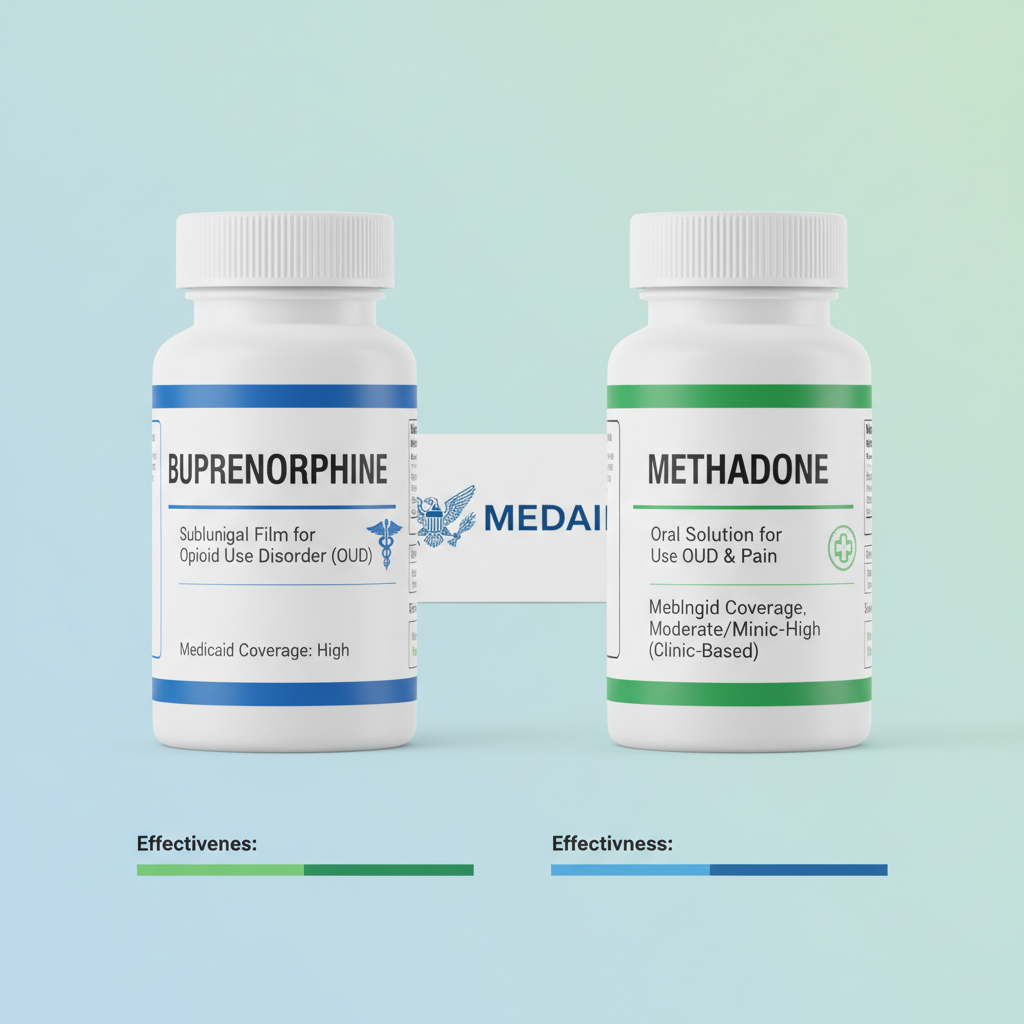
If you are struggling with opioid addiction, a provider may recommend suboxone treatment or methadone treatment as part of a broader medication-assisted plan. Aligned with evidence-based practices, medication-assisted therapy can ease withdrawal symptoms, reduce cravings, and offer you a more stable path to recovery success. Studies indicate that such plans, when combined with counseling, greatly increase engagement and help you sustain sobriety (NCBI Bookshelf).
Dual-diagnosis support
Co-occurring disorders, such as depression, anxiety, or PTSD, often exist alongside substance use. Through our dual diagnosis treatment program in an outpatient setting, you can receive counseling and psychiatric support while continuing your routine at home. We also offer co occurring disorders treatment to ensure we address emotional and psychiatric factors that may influence your addiction.
Family and community resources
Your family or community plays a profound role in the recovery process. We provide family counseling addiction sessions to help loved ones understand your experiences, set healthy boundaries, and strengthen relationships. Additionally, if you need specialized education or support structures, our center offers court mandated dui classes, community outreach addiction, and specialized telehealth addiction counseling services for remote assistance.
By providing comprehensive care, we ensure that addiction therapy outpatient programs at Addiction Treatment Centers of MD address every facet of your life that might be impacted by substance use, from mental health to family dynamics and beyond.
Emphasize personal support
Recovery often hinges on your connections to supportive people and resources. In an outpatient setup, your social or familial circle remains close by, allowing them to keep you encouraged as you adapt in real time to daily stressors. Building a dependable support system can be just as crucial to maintaining sobriety as the therapy itself.
Role of friends, family, and peers
Close friends and family members who understand your journey can help reinforce new habits. Through open communication and consistent encouragement, your loved ones can strengthen your resolve and uplift you on difficult days. If your support network is limited, your therapists or counselors might recommend local sobriety support groups or peer mentorship programs, so you connect with others who share your goals.
Accountability and motivation
In an addiction therapy outpatient environment, you will schedule regular sessions that hold you accountable. Whether you participate in substance use counseling, group therapy sessions, or peer-led meetings, these touchpoints challenge you to keep pursuing your recovery goals. They also serve as consistent reminders of how far you have come and how worthwhile continued treatment is.
Encouragement for vulnerable moments
If you find yourself tempted to relapse, your family, counselors, and group members are there to offer immediate support. Because you are living at home, you can utilize phone calls, in-person visits, or even text messages from reliable allies. This environment fosters quick intervention if relapse triggers arise, which can be vital to mitigating setbacks and maintaining momentum.
Explore specialized services
One of the key elements that sets Addiction Treatment Centers of MD apart is our commitment to offering programs tailored to different populations. We recognize that not everyone experiences addiction in the same way, and specialized services help address the unique challenges of each group, ensuring that you receive the support necessary for lasting recovery.
Gender-specific programs
We know that men and women may face distinct pressures when it comes to substance use. Our men substance use program and women substance use program focus on issues such as gender roles, societal expectations, and personal relationships, allowing you to connect with peers who share your perspective.
Maternal and postpartum support
If you are pregnant or recently gave birth, balancing motherhood with recovery requires an especially sensitive approach. At Addiction Treatment Centers of MD, we offer pregnant women addiction treatment and postpartum addiction treatment to ensure your well-being is closely monitored. You can receive positive guidance in both medical care and parenting resources so that you can protect your own health while caring for your child.
Teen and youth outpatient programs
For younger individuals, early intervention can make a critical difference in setting lifelong patterns. Through our teen addiction treatment and youth outpatient addiction program, adolescents can find peer support and a safe place to honestly discuss the pressures that come from school, friendships, and social media. Our therapists create age-appropriate interventions that are impactful but still accommodating to busy school schedules.
Comprehensive care for legal challenges
Substance use can spill over into legal problems, including DUI or DWI cases. If this describes your situation, you might benefit from outside agency remote services or court mandated dui classes. We work to coordinate with legal entities and ensure that you meet the required obligations, while still keeping your focus on genuine recovery.
Access to social services
Many outpatient clients may also require help with stable housing, job searches, or mental health appointments. With housing referral addiction, case coordination addiction, and other practical resources, we help you navigate daily life more seamlessly during and after treatment.
Across these specialized services, our philosophy remains the same: deliver individualized plans that not only help you overcome substance use but also address underlying stressors or conditions, so you can regain balance and pursue a fulfilling life.
Focus on long-term success
Most individuals who enter a treatment program share a common goal: to remain substance-free and achieve an improved form of wellness. According to research, patients who stay in addiction therapy for at least three months see more positive outcomes and less frequent relapse (NCBI Bookshelf). At Addiction Treatment Centers of MD, outpatient care extends beyond immediate detox and offers long-term strategies.
Building essential relapse prevention skills
Staying sober requires ongoing vigilance and self-awareness. During outpatient sessions, you will learn how to identify triggers, whether they are stress-related, social, or emotional in nature. Our staff can help you devise personalized coping methods through relapse prevention planning. These strategies might include mindfulness exercises, structured daily routines, or a deeper exploration of how to resist peer pressure.
Strengthening psychological resilience
Sustained recovery often means consistently working on self-esteem, interpersonal relationships, and emotional regulation. We emphasize cognitive-behavioral approaches, motivational interviewing, and psychoeducation that address the reasons behind substance use. Evaluating your feelings, thoughts, and behaviors equips you with the emotional fortitude to handle obstacles as they arise.
Maintaining community connection
Recovery is not a solo journey. Engaging with local, community-led groups or participating in sobriety support groups can keep you motivated. You can also benefit from telehealth check-ins if attending face-to-face sessions is difficult on given days. Consistent community involvement helps you internalize the value of sobriety and fosters your sense of belonging.
Evolving treatment plans
Outpatient therapy should always respond to changes in your life. If you experience fluctuations in mental health, shifts in your work schedule, or an emerging relapse risk, your treatment plan can be adapted. This might mean attending more frequent sessions, adding medication-assisted options, or seeking extra mental health support through a psychiatric evaluation outpatient. As you progress, you can move to a less intensive level of care, transitioning toward greater independence.
Frequently asked questions
Below are answers to some of the most common questions people have when exploring addiction therapy outpatient services.
1. How long does outpatient therapy usually last?
Outpatient programs often range from 30 to 90 days. However, the minimum recommended duration for intensive outpatient sessions is 90 days if you wish to increase your chances for long-term success (NCBI Bookshelf). The exact length depends on your unique needs, including the severity of your addiction, the presence of any co-occurring disorders, and your progress throughout treatment.
2. Will I be able to continue working or studying?
Yes. One of the main benefits of outpatient therapy is that it allows you to keep your daily routines largely intact. You can work around your schedule and choose session times that do not interfere with job or school obligations. This flexibility lets you maintain a sense of normalcy while still receiving structured treatment.
3. Is outpatient care affordable?
Without the cost of overnight accommodations and round-the-clock supervision, outpatient care is generally more economical. Many insurance plans also cover outpatient services, including group and addiction counseling, medication-assisted treatment, and psychiatric evaluations. If you are concerned about finances, our sliding scale payment addiction options and insurance verified addiction treatment can help you access assistance that suits your budget.
4. What happens if I relapse during outpatient treatment?
Relapse does not invalidate your progress. If you experience a lapse, communicate immediately with your treatment team. We can adjust your care plan, recommend additional interventions such as medically assisted detox, or explore more intensive support like partial hospitalization. Relapse can serve as a learning experience, revealing gaps in your coping strategies and helping you refine your approach moving forward.
5. Is outpatient therapy suitable for severe addiction or co-occurring disorders?
It can be, but you need a strong personal support system, stable housing, and high motivation to manage recovery in your everyday environment. If your addiction or mental health condition is severe, an inpatient or residential program might initially be more appropriate. Later, you can step down to an outpatient model once you achieve medical and psychological stabilization. Our co-occurring disorders treatment can support those with moderate to severe conditions if they are ready for a structured, yet flexible, approach.
Plan your next steps
If you believe addiction therapy outpatient care aligns with your situation, the next step is to reach out for professional guidance. At Addiction Treatment Centers of MD, we pride ourselves on providing a supportive environment and individualized plans that pinpoint your strengths, address obstacles, and nurture growth well into the future. Our goal is not just to help you stop using substances, but to offer the comprehensive care and encouragement you need to rebuild your life.
Every journey toward recovery is unique, and your path forward can evolve as you learn more about yourself, your triggers, and your capacity for change. Whether you seek help specifically for opioid addiction, require case coordination addiction services, or hope to engage in therapy that includes your friends and family, we strive to create a healing environment that fosters empowerment and genuine transformation.
We invite you to explore the full range of services we offer, from individual therapy and intensive outpatient group therapy to specialized programs for teens, pregnant women, and legal support. With flexibility, evidence-based strategies, and continuous encouragement, our outpatient approach provides a path toward a healthier future.
No matter where you find yourself today, remember that help is available. By choosing an outpatient program suited to your needs, you can receive the vital guidance and connection that keep you on track. If you have additional questions or want more information, please reach out to Addiction Treatment Centers of MD. We are here to listen, guide, and support you every step of the way, ensuring you have the best opportunity to achieve lasting recovery.