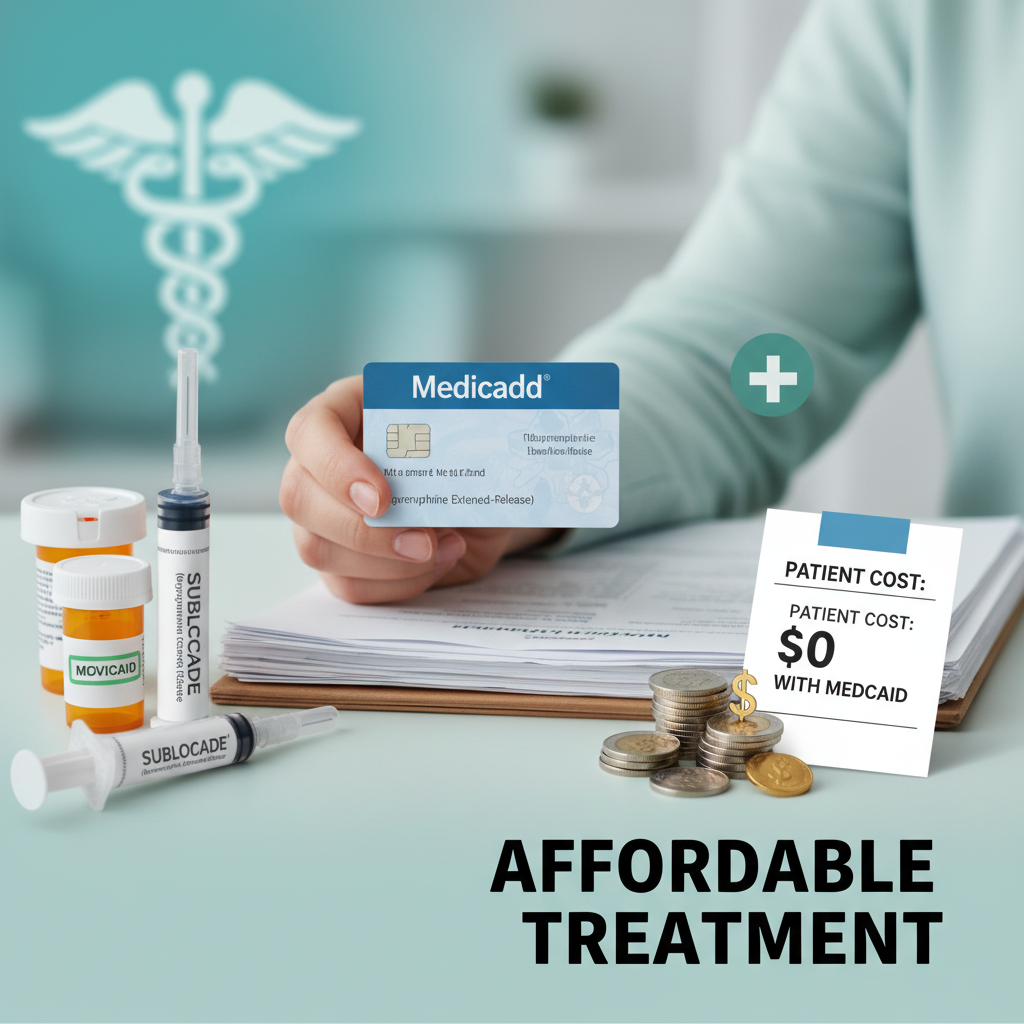

If you or a loved one are seeking insurance verified addiction treatment, you understand how critical financial clarity can be when deciding on the path toward recovery. In many cases, treatment can feel out of reach if you are not certain that your insurance policy will help shoulder the cost. At Addiction Treatment Centers of MD, you gain the reassurance of comprehensive coverage options, a supportive environment, and an empathetic approach to opioid recovery, counseling, and DUI/DWI education. By exploring verification methods and discovering what your insurance actually covers, you make informed decisions that can ease your transition into a healthier future.
Below, you will learn how to verify your insurance coverage for addiction treatment, why it matters for effective healing, and how Addiction Treatment Centers of MD stands ready to guide you on your recovery journey. You will also learn about available coverage options and financial assistance programs, so you can focus on your progress instead of worrying about unexpected costs. This information is presented in a supportive, empathetic voice, reflecting our commitment to creating a safe space for you to overcome the challenges of substance use and mental health concerns.
Recognize the need for coverage
Insurance verification often becomes the gateway to ensuring that your addiction treatment aligns with your financial reality. Addiction is a serious challenge for millions of individuals every year, yet many go without help due to perceived financial hurdles. According to data from Rehabs.com, only around 1.5% of the 46.3 million people aged 12 or older with a substance use disorder actually received treatment in the past year. That statistic underscores the substantial gap between those who need help and those who receive it. Insurance coverage can be a turning point, reducing out-of-pocket expenses and increasing the likelihood of pursuing professional help.
The impact on access
When you recognize the need for coverage, you acknowledge the significant role that insurance plays in your path toward healing. Without coverage, the idea of paying out of pocket for specialized therapies, medication, or inpatient programs might feel daunting, especially if you or a loved one require extended care. Yet, evidence-based approaches like cognitive behavioral therapy, group counseling, and medically supervised detoxification remain essential for lasting positive change.
Insurance verified addiction treatment ensures you do not abandon these crucial services for fear of cost. By confirming your benefits, you learn whether your plan covers partial or full expenses for inpatient or outpatient programs. You might discover that specific therapies, such as suboxone treatment for opioid addiction or family counseling addiction, fall under your insurance. This reassurance helps you focus on your well-being from the moment you decide to make a change.
How coverage fosters recovery
Research indicates that addiction treatment, when consistent and personalized, helps reduce substance misuse, lower the risk of relapse, and improve overall mental health. For opioids in particular, medically assisted plans that combine counseling, medication, and structured support have been highly effective. Yet, financial worries can hinder your willingness to commit to a full course of treatment. Coverage that aligns with your personal circumstances paves the way for more stable and continuous engagement, boosting the potential for sustained recovery.
At Addiction Treatment Centers of MD, we understand that every individual has a distinct path. We tailor programs to meet your specific needs. From supervised withdrawal protocols to intensive outpatient group therapy, our center offers a range of options, ensuring that you can find a program flexible enough to build a solid foundation. With your insurance verified and your treatment covered, you are empowered to dedicate your energy to physical, emotional, and spiritual healing rather than financial strain.
Understand insurance verification
Insurance verification may sound like a routine administrative task, but it can serve as a powerful tool in your recovery. This process involves confirming your eligibility for various treatment services, clarifying what your insurance covers, and evaluating any obligations like deductibles or copayments. Once you finish verifying your insurance, you gain a better perspective on how to proceed with scheduling your entry into a program that meets your needs.
The verification process
When you decide to pursue professional help, you can consult with your insurance provider or the admissions team at Addiction Treatment Centers of MD. Our dedicated staff often handles the verification directly, liaising with insurers to outline which services fall under your policy. According to American Addiction Centers, many rehabilitation facilities have a streamlined verification form that helps confirm coverage instantly. This form can clarify essential details about:
- Covered treatment duration (inpatient vs. outpatient)
- Levels of care, such as detox, therapy, or aftercare
- Approved medication for opioid use disorder
- Pre-authorization requirements and step therapy
- Potential out-of-pocket expenses
Once you have this information, you can decide how and when to begin. Whether you need medically assisted detox to address opioid dependence or an outpatient setting that allows you to fulfill your daily responsibilities, a thorough verification lays out the financial landscape. You avoid last-minute surprises and gain the confidence that your chosen path aligns with your insurance benefits.
Immediate benefits of verification
You will appreciate several immediate benefits as soon as you verify your insurance coverage:
- Peace of mind: You know exactly what services are inside or outside of your policy’s limits.
- Treatment efficiency: Instead of shopping around for cost comparisons, you invest your focus in recovery from day one.
- Customized care: Verification clarifies which specialized programs (for example, co-occurring disorders treatment) are fully or partially funded by your plan.
- Greater commitment: When finances are no longer an overwhelming concern, you can commit to the necessary duration of care.
By understanding your coverage in detail, you set a steady foundation for your journey. As soon as you take the first step, you know you are on the path to healing with fewer financial constraints.
Explore coverage options
The world of insurance plans can be complex, especially as you try to decode terms like Medicaid, Medicare, private insurance, or the Affordable Care Act (ACA) marketplace coverage. Each type of insurance has unique conditions, from the services it includes to the amount of cost sharing involved. Learning about these distinctions helps you select proper care without straining your budget, giving you a chance to put all your energy into overcoming substance use issues.
Medicaid, Medicare, and the ACA
Medicaid and Medicare often serve as essential lifelines for individuals who might not otherwise be able to afford quality healthcare. As Rehabs.com points out, the expansion of Medicaid under the ACA has allowed many people to access addiction treatment services for the first time. Although these programs may not always cover luxury amenities, they still provide core treatment components needed to combat destructive patterns.
- Medicaid is state-run, requires income qualification, and offers coverage for various addiction treatments deemed medically necessary.
- Medicare is open to those 65+ years old, individuals with specific disabilities, or people with end-stage renal disease. It can include coverage for detox, counseling, and short-term stays in rehab, depending on your plan.
- Under the ACA, insurance plans must treat substance use disorders as essential health benefits. That means that if you purchase a policy on the marketplace, your plan will typically cover at least some aspects of addiction treatment.
Private insurance coverage
If you rely on private insurance through an employer or an individually purchased plan, you may have access to a broader range of amenities and options. For instance, certain private plans fully support holistic programs or specialized care models that address opioid addiction with medication and therapy under one roof. While you might still be subject to deductibles, copayments, or coinsurance, the breadth of services usually exceeds those covered by public options.
Keep in mind that each policy has its own criteria for “medical necessity.” Insurance companies typically review your condition, past treatment efforts, and your physician’s recommendations. By proactively verifying your benefits, you ensure that you understand any potential restrictions. That clarity can help you decide whether you prefer a residential program or a more flexible outpatient route, such as addiction therapy outpatient or telehealth addiction counseling.
COBRA and alternate routes
If you recently left your job, the Consolidated Omnibus Budget Reconciliation Act (COBRA) could enable you to keep your health insurance for a limited time. You usually have 60 days to decide to enroll, and you’ll pay the entire premium yourself. This still might be less expensive than self-paying for an entire course of treatment, especially if you require medical detox, frequent therapy sessions, or medications for opioid use disorder.
If your plan or government program falls short, you might explore other financing strategies, such as sliding scale programs or short-term healthcare loans. Some centers, including ours, can help you tap into sliding scale payment addiction options if you need extra flexibility. With so many avenues for coverage or partial assistance, you rarely have to let finances overshadow your well-being.
Experience personalized care at Addiction Treatment Centers of MD
When you choose Addiction Treatment Centers of MD, you enter an environment designed to help you grow, heal, and reimagine your future. Our insurance verified addiction treatment approach caters to every stage of recovery, from initial detoxification to long-term aftercare. We prioritize a supportive and empathetic tone to acknowledge the difficulties you and your loved ones may face while battling addiction.
Our scope of services
We set ourselves apart by covering a broad range of conditions, demographics, and support systems, all under one roof. Our specialized programs are tailored for opioids, but we also address co-occurring mental health concerns, offering dual diagnosis treatment for those dealing with both substance use and psychological disorders. Some of our main services include:
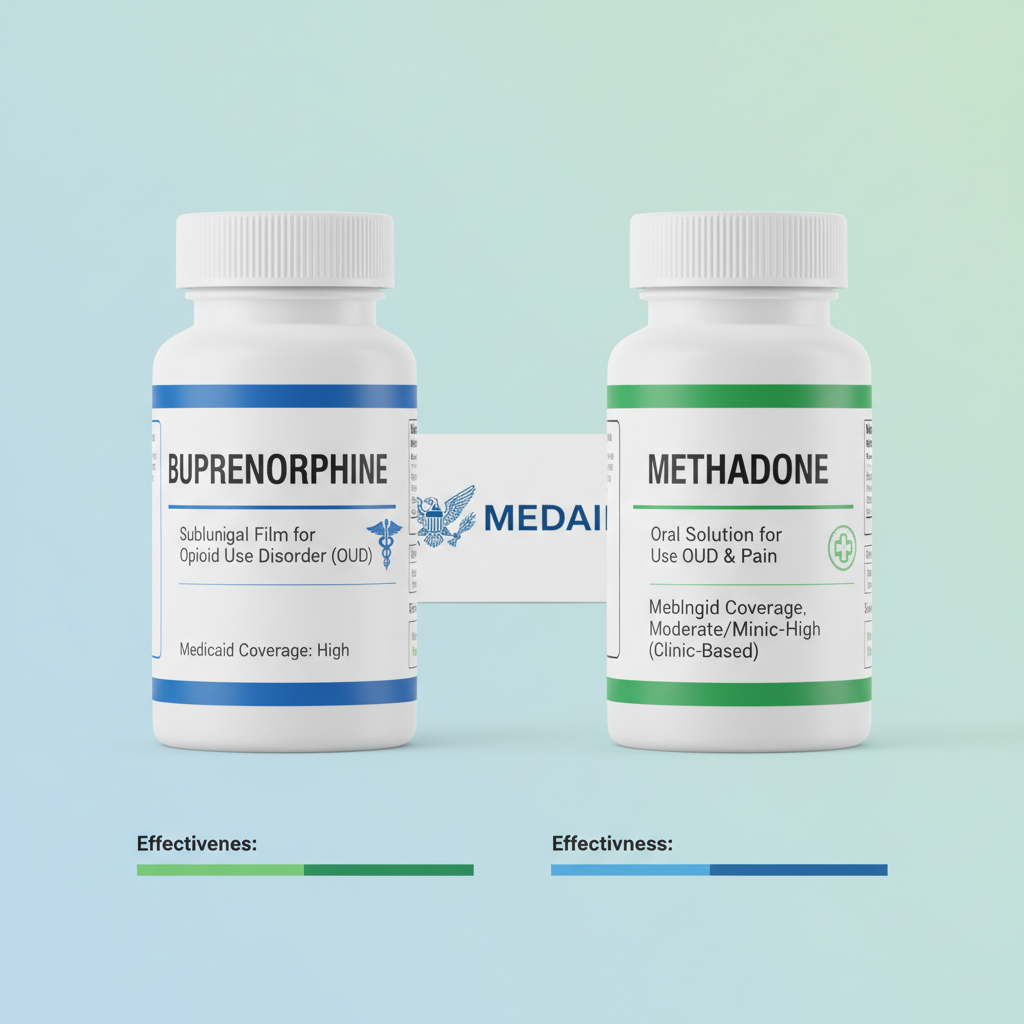
- Opioid Recovery: From careful medical monitoring to medication assisted treatment such as Suboxone or Methadone, each approach is rooted in evidence-based research.
- Counseling and Behavioral Therapies: You can access individual therapy, group therapy substance use, and addiction counseling sessions that help you reduce relapse risks, confront trauma, and develop healthier coping skills.
- DUI/DWI Education: If you have legal obligations related to alcohol or drug misuse, our center provides specialized DUI/DWI educational programs designed to fulfill court mandates.
- Empathy-Driven Programs: We understand that addiction can feel isolating, and we strive to create an uplifting environment that fosters camaraderie and trust.
Tailored solutions for you
At the heart of our approach lies the conviction that every person’s circumstances are unique. What works for someone else might not suit you. That is why we take time to engage in thorough evaluations once you step through our doors—or even before, if you opt for phone assessments. We draw on that initial consultation to craft an individualized plan that might incorporate a combination of medication, psychotherapy, and peer support groups like mara groups.
If you prefer an outpatient structure, we offer day or evening sessions so you can maintain your work or family schedule while receiving essential care. Many of our clients benefit from relapse prevention planning to help them transition smoothly from structured treatment to everyday life. We also provide ongoing aftercare support services, connecting you with local resources, setting up continued counseling, and ensuring you retain momentum long after you complete your initial program.
Why verification supports personalized care
Insurance verification is a cornerstone of personalized treatment because it allows you and our care team to approach each recommendation with practical clarity. When financial stress is minimized, we can suggest therapies based on clinical need, rather than cost constraints. Whether you require medication assisted treatment, are looking for specialized help through our men substance use program, or need domestic violence recovery counseling, comprehensive knowledge of what your plan covers empowers you to prioritize the right forms of care.
Break down financial obstacles
Cost is one of the main reasons people either postpone or abandon the idea of seeking help. Between living expenses, potential job disruptions, and the price of therapy, you might question whether you can afford a quality program. However, a systematic approach can help you access the care you deserve without incurring crippling debt.
Payment models and resources
Many treatment centers, including ours, present a variety of payment models to accommodate different circumstances. You might find:
- Monthly installments: This financing approach transforms lump-sum bills into manageable segments.
- Sliding scale fees: Through sliding scale payment addiction programs, your charges may adjust based on your household income or financial status.
- Grants or scholarships: Some nonprofits or state-sponsored organizations can help offset partial expenses if you meet eligibility criteria.
- Healthcare loans: If your insurance plan only covers part of your treatment, a specialized medical loan could bridge the shortfall.
Using this information, you can select a funding blueprint that aligns with your reality, so you never feel forced to compromise on the length or intensity of care that you need.
Balancing insurance and personal finances
Your insurance provider might require you to meet deductibles, pay specific copay percentages, or cover the difference between in-network and out-of-network rates. Once you verify your plan, ensure that you understand precisely how these factors line up. If you attend a center within your network, your out-of-pocket spending may be notably lower. Out-of-network facilities might still provide exceptional care, but you’ll need to weigh the higher costs against any special programs or therapy options that resonate with you.
Make use of your plan’s benefits whenever possible, and ask pointed questions:
- Which services are restricted to particular providers?
- Are certain medications for opioid addiction covered more than others?
- Does your policy exempt family therapy or certain mental health components?
- How many days of inpatient treatment can you access per calendar year?
You can direct these inquiries to both your insurance company and our admissions team, who regularly communicate with providers on behalf of clients.
Embrace specialized services
Beyond immediate detox or short-term rehab, effective addiction recovery often requires an ongoing support system, extended therapy modes, and resources that consider your entire well-being. At Addiction Treatment Centers of MD, we offer comprehensive services that address not just the physical aspects of addiction but also the emotional, social, and legal challenges you might face.
Beyond standard treatment
When your insurance coverage is verified, you can explore:
- Case coordination addiction: Coordinators who connect you to resources that simplify your transition back into everyday life.
- Housing referral addiction: Temporary or long-term housing assistance if your environment is not conducive to a sober lifestyle.
- Justice involved client support: Guidance for those navigating legal challenges related to drug or alcohol offenses.
- Court mandated dui classes: Fulfilling legal requirements while simultaneously tackling underlying factors that trigger unhealthy behaviors.
It is not uncommon for addiction to intertwine with other hurdles, from mental health struggles to strained relationships. By verifying your insurance, you improve your chances of accessing the exact specialized programs you need, whether that includes psychiatric evaluation outpatient or co-occurring disorders treatment.
Programs for men, women, and beyond
We recognize that different groups among the population so often experience addiction in different ways. Clients might face unique triggers, societal expectations, or family dynamics that shape their journey. In some cases, men may benefit from male-specific peer dynamics, while pregnant or postpartum women require programs that factor in their maternal responsibilities and medical safety.
Insurance coverage can support these specialized programs. For example, if a dedicated men substance use program leads to higher success rates for you, verifying your coverage helps you secure that program without hesitation. This tailored approach can be similarly beneficial for women substance use program or pregnant women addiction treatment. The ultimate goal is to ensure that you do not just treat immediate symptoms, but build a healthy framework for lasting, meaningful change.
Holistic and outpatient measures
It is vital to acknowledge that recovery endures beyond initial treatment. Many people find the greatest success when they remain in supportive or therapeutic relationships through outpatient counseling, peer groups, or ongoing check-ins. If your policy outlines coverage for outpatient counseling or telehealth services, you might check your eligibility for outside agency remote services or community outreach addiction programs. Even smaller steps, such as regular drug screening services, can keep you accountable and on track.
Eliminating substances from your life involves more than withdrawing from the chemical itself. It also entails re-establishing your social connections and addressing past emotional traumas. From anger management outpatient therapy to gateway mental health support that alleviates anxiety or depression, you have a variety of specialized options at your disposal. Insurance verified addiction treatment ensures you can afford these beneficial components, helping you sustain your well-being over time.
Address frequently asked questions
Even when you have a clearer understanding of insurance coverage and specialized treatments, you might still have questions about selecting and implementing a plan that works for your life. Below, you will find answers to common inquiries that arise on the path to an insurance verified addiction treatment experience.
- How do I verify my insurance coverage for rehab?
You can contact your insurer directly or work with the admissions team at Addiction Treatment Centers of MD. We will help you fill out the verification form and clarify your benefits, coverage limit, and any out-of-pocket obligations. - What types of therapies are typically covered?
Many insurers cover evidence-based therapies, such as cognitive behavioral therapy, group counseling, and medication-assisted treatments for opioid use. Some plans also allow partial coverage for holistic approaches like mindfulness and stress-management sessions if they’re deemed medically necessary. - Does insurance cover DUI/DWI education programs?
Coverage for DUI/DWI educational courses varies by plan. Some providers may categorize these programs under court-mandated services and offer limited financial support. Our admissions team can confirm whether these programs would be included in your policy. - Can I switch from inpatient to outpatient settings if my insurance changes?
Yes. If your coverage changes mid-treatment or if you realize you need a different level of support, speak to our team promptly. We will review your new policy’s parameters, discuss your clinical needs, and transition you to an outpatient model if it aligns with both your medical and financial situation. - Will my insurance pay for aftercare and ongoing support services?
This depends on your specific plan and how extensively it covers continued care through supportive anxiety therapy services. Many insurance policies do include outpatient services such as telehealth addiction counseling or long-term counseling sessions. We recommend verifying that coverage upfront to ensure you can fully benefit from aftercare planning.
Conclusion
Seeking help for opioid recovery, counseling, and DUI/DWI education requires courage, focus, and determination. Insurance verified addiction treatment helps remove a financial barrier that so often hinders people from following through on life-changing decisions. By verifying your insurance coverage, you gain access to personalized programs, medical support, and ongoing care essential for wellbeing. Ultimately, the clearer you are about the scope of your coverage, the easier it becomes to concentrate on rebuilding healthier habits and distancing yourself from the destructive patterns of substance use.
At Addiction Treatment Centers of MD, we are committed to offering you and your loved ones the support necessary for lasting recovery—emotionally, physically, and financially. From medication-assisted treatments that target opioid dependence to comprehensive counseling and specialized programs for DUI/DWI obligations, you will find a structured, warm space that honors your personal journey. We invite you to contact us with any questions, verify your coverage, and begin the path to an empowered and hopeful future. You deserve the best care possible without fear of looming costs. Through verified insurance coverage, you step forward confident that you can focus on what truly matters: your healing.