
When you explore solutions for opioid recovery and comprehensive counseling, you may come across the term “housing referral addiction.” This phrase highlights the critical role stable living environments can play in your treatment journey. Without reliable housing, you face obstacles that can make recovery from substance use far more challenging. At Addiction Treatment Centers of MD, we recognize how your daily environment influences your emotional well-being and preparedness for treatment. We bring together housing referrals, evidence-based clinical care, and compassionate support to help you overcome unique challenges and move toward lasting recovery.
Below, you will find a detailed explanation of why housing referral matters, how it benefits you or your loved one, and how Addiction Treatment Centers of MD addresses each aspect of the recovery process. Using structured living environments, specialized referrals, and tailored treatment programs, we strive to equip you with the support necessary for lasting recovery and a renewed sense of hope.
Recognize housing referral addiction
“Housing referral addiction” is not a literal addiction, but rather an acknowledgment of how crucial it is for individuals in recovery to find suitable housing options. This concept addresses the importance of stable living conditions as a factor in successful outcomes for people with substance use challenges. Housing supports your ability to access essential services like individual therapy, substance use counseling, or medication assisted treatment, which become more effective when you have a secure place to live.
Research has shown that individuals who secure stable housing often see an improvement in recovery progress, reduced relapse rates, and better mental health outcomes. For example, one study observed that homelessness decreased from 16% to 4% among participants who entered Sober Living Houses during outpatient treatment (NCBI). When you remove residential instability, you remove a significant barrier to focusing on long-term goals. Housing referral addiction, therefore, represents the idea that addressing housing should be integrated into a comprehensive approach to treatment.
Explore the impact on treatment
Housing influences nearly every aspect of your recovery process. Without reliable accommodation, you may struggle with:
- Consistent access to addiction counseling or aftercare support services
- Proper nutrition and personal hygiene
- A stable source of emotional and psychological support
- A sense of safety and privacy required to heal
By contrast, when you have a secure living environment, you experience benefits that facilitate engagement in treatment. You can maintain regular therapy appointments, participate in peer support groups, and focus on the healing process rather than constantly worrying about where you will sleep at night.
How housing referrals make a difference
When you seek professional help from a recovery center that understands housing referral addiction, you gain immediate access to resources that can stabilize your living situation. This can include referrals to sober living facilities, transitional housing, or collaboration with local agencies offering rental assistance. The main goal is simple: reduce or eliminate the immediate challenges of homelessness or unstable housing so you can direct your energy toward recovery.
Key factors in housing referrals
- Location compatibility:
- Ensures your home is close to your treatment center or supportive community resources
- Minimizes transportation barriers, so you can attend intensive outpatient group therapy without interruptions
- Affordability:
- Connects you with state-funded or sliding-scale payment housing options
- Helps you pursue stable living regardless of your financial constraints
- Safety measures:
- Eliminates exposure to high-risk environments that trigger relapse
- Builds a supportive environment conducive to growth and positive social connections
- Program structure:
- Emphasizes clear house rules, peer support, and accountability
- Reinforces essential life and coping skills with trained staff or peer mentors
Each referral aims to create an environment where you can apply coping mechanisms learned in co-occurring disorders treatment or family counseling addiction, free from disruptive or unsafe living conditions.
Benefits of stable housing in recovery
A stable living environment offers wide-ranging advantages that support long-term healing. When you live in a place without chronic disruptions, you can better focus on:
1. Sustained abstinence
Research confirms that stable housing correlates with lower relapse rates. Many individuals who secured consistent housing and participated in outpatient treatment reported reduced drug and alcohol use and higher treatment retention (PubMed Central). In many cases, you can better implement relapse-prevention strategies when your day-to-day environment encourages sobriety rather than undermines it.
2. Emotional stability
Housing challenges create stress that can worsen mental health issues. Constant worry over finances, personal safety, or the basic need for shelter drains emotional resilience. By contrast, having a safe, private space allows you to concentrate on the deeper work of individual therapy, where you address the root causes of addiction. Additionally, consistent housing grants you time to rest, reflect, and engage in self-care without fear of displacement.
3. Peer and community support
Many housing referral programs integrate communal living arrangements or peer-based structures designed to foster camaraderie. These settings encourage open communication, shared responsibilities, and group participation. According to multiple studies focusing on sober living homes, participants often benefit from social bonds that reinforce accountability and reduce feelings of isolation (NCBI). In a stable environment, you can form positive friendships that provide practical help, emotional support, and long-term encouragement.
4. Practical life skills
Structured housing environments typically require you to uphold household rules, manage personal responsibilities, and occasionally take on communal duties like meal preparation or cleaning. In this arrangement, you gain practical life skills that are invaluable once you leave a rehab program. You learn financial management, conflict resolution, and time management, all under a supportive environment that encourages your growth.
5. Consistent access to care
Unstable housing often forces you to miss important healthcare appointments, group therapy sessions, or suboxone treatment. With stable housing, those interruptions drastically decrease. You maintain a schedule, attend your sessions regularly, and foster continuous engagement with your recovery plan. Whether you participate in medically assisted detox or ongoing dual diagnosis treatment, you can remain consistent and experience more significant improvements faster.
How we address housing referrals
At Addiction Treatment Centers of MD, we believe that a secure living arrangement is part of a complete treatment program and not an afterthought. Our housing referral process connects you to resources that complement our tailored treatment programs, which include addiction counseling, drug screening services, aftercare support services, and more.
The referral process
- Initial assessment:
- Your dedicated care team collects information about your current living situation, financial resources, and health history.
- We evaluate your risk factors and immediate needs for safety before deciding on a suitable referral.
- Collaboration with community partners:
- Our case coordinators work closely with local organizations and government-funded programs to locate housing opportunities that fit your personal circumstances.
- This may involve leveraging Housing First initiatives, transitional living programs, or specialized recovery residences.
- Matching preferences:
- We take your preferences into account, from location and budget to whether you prefer a gender-specific environment like our men substance use program or women substance use program.
- We also address any co-occurring mental health conditions to ensure you find a place conducive to healing.
- Ongoing support and follow-up:
- After connecting you to a suitable housing option, we remain involved through case coordination addiction.
- We routinely check in to ensure you can manage your new environment and continue to receive the comprehensive care needed for sustained recovery.
Leveraging authentically connected referral networks
Studies point out that collaboration among various agencies reduces fragmentation in service provision (NCBI Bookshelf). We coordinate with healthcare providers, social service agencies, and housing authorities to streamline your referrals. By designating a single point of contact within our organization, we help prevent communication pitfalls that occur when multiple agencies operate in isolation. This holistic approach ensures you receive the services best aligned with your needs, so you do not have to navigate complex systems alone.
Complementary treatment options
Housing referrals are more effective when paired with appropriate clinical services. If you face an opioid use disorder or co-occurring mental health conditions, having a secure place to stay is just one piece of the puzzle. To address the whole picture, we provide an array of therapies and educational programs:
1. Opioid recovery therapies
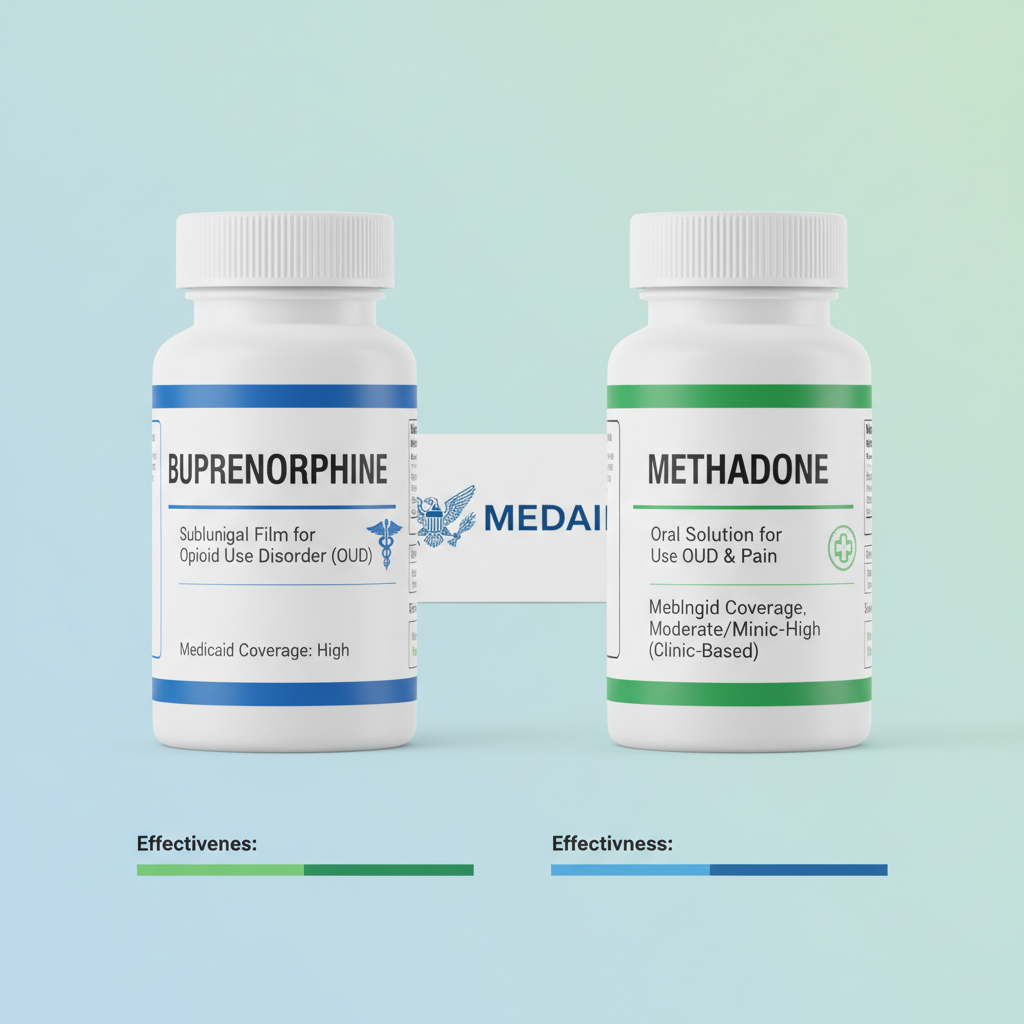
- Suboxone treatment: Allows you to manage withdrawal symptoms and cravings more comfortably.
- Methadone treatment: Often used in medically supervised settings for those with opioid dependence.
These approaches can stabilize your physical condition and reduce the immediate triggers that worsen relapse risks.
2. Counseling and group support
- Addiction counseling: Offers an avenue for you to talk through underlying issues with a knowledgeable therapist.
- Group therapy substance use: Encourages shared experiences, peer-driven insights, and accountability.
- Family counseling addiction: Allows each family member to heal and learn coping strategies that benefit your support network.
3. Integrated dual-diagnosis programs
- Dual diagnosis treatment: Addresses both mental health disorders and addiction simultaneously.
- Co occurring disorders treatment: Ensures neither aspect is overlooked.
- Psychiatric evaluation outpatient: Offers ongoing psychiatric monitoring to adjust medications or therapeutic strategies as your recovery develops.
4. Education and legal resources
- DUI/DWI education: Helps you fulfill legal requirements and mitigate future substance-related legal issues.
- Court mandated dui classes: Ensures you have a structured plan to meet any court requirements throughout your recovery.
- Justice involved client support: Facilitates continuity of care for individuals navigating the criminal justice system.
5. Aftercare services
A stable home environment plus ongoing aftercare can greatly enhance your long-term success. Our aftercare support services may include regular check-ins, access to mara groups, and involvement in sobriety support groups. These programs ensure you refine the coping skills you learned in treatment, maintain consistent social support, and stay attentive to any moments of vulnerability.
Frequently asked questions
Below are some of the most common questions we address about housing referral addiction, stable living, and how they integrate into a broader recovery framework.
-
What is the main advantage of a housing referral in addiction treatment?
A housing referral provides you with a secure living environment, greatly increasing your focus on recovery. This stability lowers the risk of relapse by reducing the stressors and triggers that often come from living in unsafe or unstable conditions. -
Can I still receive housing help if I have limited financial resources?
Yes. Many community or government-funded programs exist for individuals with tight budgets. We collaborate with these agencies to help you find options such as transitional living homes, state-funded residencies, or sliding scale payment addiction support. Our goal is to ensure financial barriers do not impede your treatment. -
How do you ensure that my living environment aligns with my recovery goals?
We perform thorough assessments of each housing option, focusing on safety, location, and structure. Our team remains connected through case coordination addiction to verify that your new residence supports key recovery activities, such as attending therapy sessions and group meetings. -
Do you offer other treatments alongside housing referrals?
Absolutely. Our offerings include medically assisted detox, telehealth addiction counseling, intensive outpatient group therapy, and more. These programs address both substance use and any co-occurring mental health issues that may accompany your addiction, ensuring comprehensive care. -
How can secure housing reduce my chances of relapse?
Stability creates a predictable routine, which fosters emotional well-being and consistent access to treatment resources. When you do not have to worry about your immediate safety or where you will sleep, you can focus on the therapies and behavioral changes needed to sustain long-term recovery.
Why choose Addiction Treatment Centers of MD
When you or a loved one face opioid addiction, counseling needs, or legal requirements like DUI/DWI education, Addiction Treatment Centers of MD combines evidence-based solutions, empathetic care, and housing referral resources to give you a path toward transformational change. Our approach starts by recognizing your unique challenges. We develop individualized plans designed around your goals, environment, and health status, ensuring comprehensive care every step of the way.
Here, you will find:
- Tailored treatment programs: Your journey is unique, so our programs reflect that individuality. We provide community outreach addiction services, specialized pregnant women addiction treatment, or postpartum addiction treatment if those are relevant to your situation.
- Supportive environment: Our entire organization focuses on empathy and empowerment. From day one, you will be treated with understanding, respect, and encouragement.
- Comprehensive care: Besides housing referrals, we address your overall needs through anger management outpatient, gateway mental health support, and other supportive strategies. This holistic approach offers you the support necessary for lasting recovery.
- Community partnerships: Our strong ties with local agencies and nonprofits help us expedite placements in safe housing. We collaborate to remove the obstacles that stand in the way of your recovery so you can concentrate on healing.
By blending evidence-based clinical care with practical housing assistance, we aim to make your path to recovery smooth, inclusive, and sustainable. Rather than focusing solely on substance use, we see you as a whole person with unique challenges who deserves dignity, compassion, and professional guidance.
Ultimately, housing referral addiction underscores the fact that treatment is not only about reducing substance use. It also involves fostering emotional, psychological, and social well-being in a stable, secure environment. At Addiction Treatment Centers of MD, we recognize how important these elements are in supporting your long-term success. Through our individualized plans and dedicated care teams, you gain access to a network of professionals, peer communities, and the resources you need to create lasting change. We stand ready to guide you or your loved one toward a future free from opioid misuse, ensuring you receive the supportive environment and tailored treatment programs that form the bedrock of lasting recovery.