
Begin your journey
If you or a loved one is struggling with substance use, finding a supportive and trusted resource is crucial. This is especially true when seeking a women substance use program that understands the complexities of opioid recovery, counseling, and DUI/DWI education. At Addiction Treatment Centers of MD, you can discover a path to healing that is both compassionate and evidence-based. Our team tailors programs to meet your specific needs and focuses on providing the support necessary for lasting recovery.
Across the country, substance use disorders affect numerous individuals and families, but many people hesitate to seek help because of stigma and lack of awareness. According to the National Institute on Drug Abuse (NIDA), substance use disorders are chronic, treatable conditions. For women, certain factors—such as societal expectations, family responsibilities, and biological differences—can complicate the journey toward wellness. By choosing an experienced provider, you or your loved one can begin down a tailored, empathetic treatment path that acknowledges the challenges many women face in seeking help and starting recovery.
In this welcoming environment, you gain tools to rebuild your life and move forward with confidence. Whether you require opioid recovery, DUI/DWI education, or general counseling, you will find the solutions you need at Addiction Treatment Centers of MD. From medically assisted detox to comprehensive programs that focus on co-occurring mental health conditions, our specialized offerings address each aspect of your recovery, paving the way for a healthier future.
Focus on women’s needs
Women often begin using substances for different reasons and in different contexts than men. Research shows that women face unique triggers, including social pressures, child-rearing responsibilities, and higher rates of co-occurring mental health concerns like depression or anxiety. When you choose our women substance use program, you will find essential resources designed to help you overcome these challenges in a safe community of support.
Societal expectations and stigma
Many women feel a heightened sense of stigma when seeking treatment for addiction. Cultural norms often encourage women to appear as nurturers and caretakers, making it difficult to admit struggles with opioid use or other substances. You might worry about the potential impact on your family’s well-being or fear being judged by those around you. That stigma may lead to an internalized sense of shame, which is one of the factors that can prevent women from receiving the help they deserve.
- Women are often expected to assume multiple responsibilities simultaneously, from professional roles to household tasks. This can cause stress and anxiety if you are also wrestling with substance use.
- Fear of being perceived as “failing” in your caregiving duties can heighten guilt or reluctance to enter treatment.
By creating a supportive andempathetic environment, we strive to reduce stigma and help you feel free to talk openly about your concerns. Here, you are not alone, and each step toward recovery is met with understanding and compassion.
Physical and mental health considerations
Biological differences can influence how a substance impacts women’s bodies. Certain drugs may progress to addiction more quickly in women than men, a phenomenon sometimes called “telescoping.” As a result, you may need to seek treatment sooner, and you might experience more intense withdrawal or emotional difficulties.
- Hormonal fluctuations can intensify substance-related cravings or mood changes.
- Co-occurring disorders, such as depression or anxiety, may be more frequent in women and require specialist care.
By addressing these physical and emotional variations, care providers at Addiction Treatment Centers of MD ensure comprehensive strategies that fit your unique health profile. Our team will guide you in building coping skills, so you can handle future stress without resorting to harmful substance use patterns.
Explore evidence-based care
At Addiction Treatment Centers of MD, our goal is to deliver an evidence-based approach that unites clinical research with compassionate support. Evidence-based prevention strategies, according to NIDA, can significantly reduce the risk of addiction-related health and safety problems. By focusing on proven modalities, we help you establish a sustainable foundation for recovery.
Preventive measures and early intervention
Many of the negative outcomes linked to substance use can be minimized or sidestepped altogether through early intervention. The best time to intervene is often before substance use escalates into dependence.
- Educational workshops: We offer sessions designed to teach you about the physical and behavioral effects of opioids, alcohol, or other substances.
- Skill-building exercises: These tools help you recognize or manage triggers before they become overwhelming.
Preventive strategies can reduce the likelihood of relapse. Drawing on this knowledge, you can make informed choices about your journey and rebuild self-confidence from the very start.
Holistic and personalized approach
Our women substance use program combines holistic therapies—like mindfulness practice and nurturing peer support groups—with established clinical methods. Whether you are engaging in individual therapy or joining our intensive outpatient group therapy, your treatment is personalized every step of the way. The result is a continuum of care that addresses every factor contributing to your situation.
Depending on your specific needs, your care might include:
- Medically assisted detox to manage withdrawal.
- Addiction counseling to build coping skills for everyday situations.
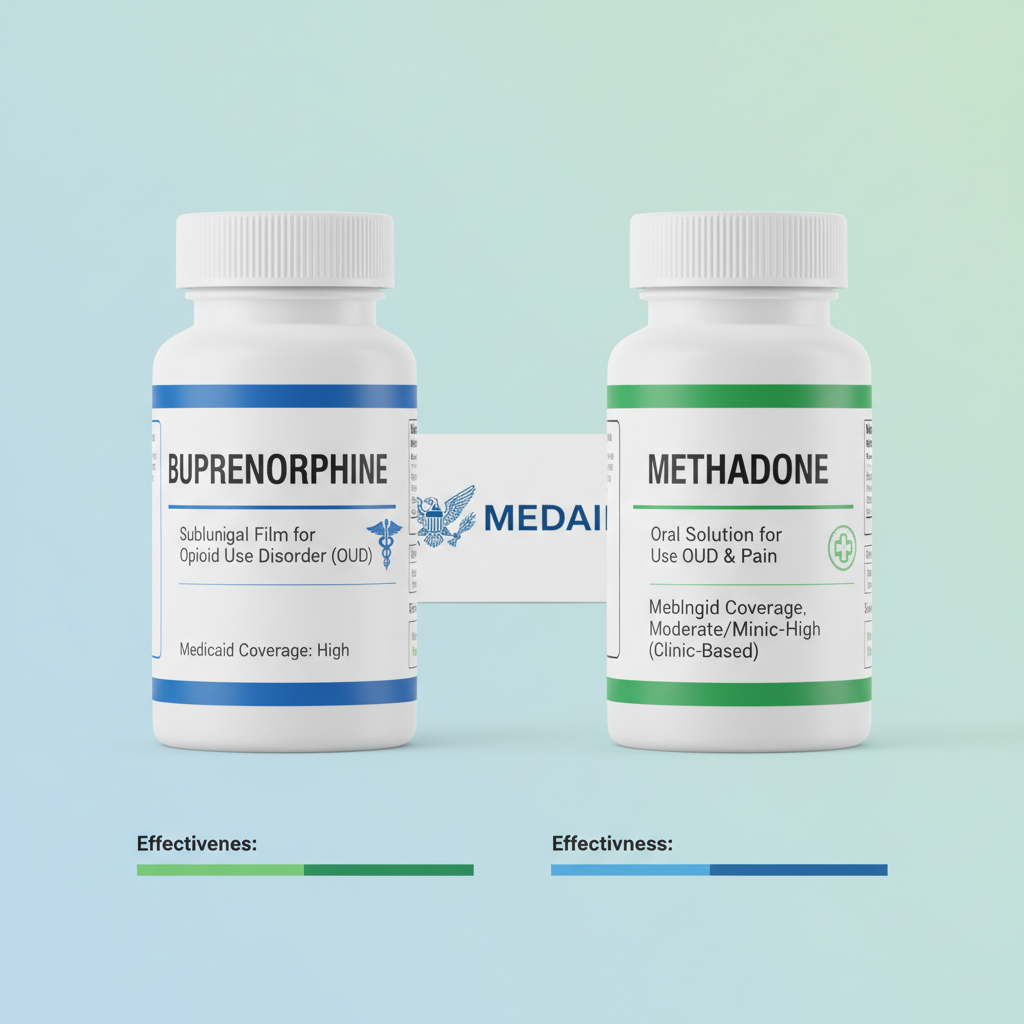
- Medication assisted treatment, like Suboxone or methadone, under professional supervision.
- Holistic interventions such as yoga, meditation, or art therapy to encourage inner healing.
By weaving together these different forms of support, you can begin to address patterns and triggers while reaffirming your commitment to sustained well-being.
Experience specialized services
Deciding where to seek help is an important step. Addiction Treatment Centers of MD understands the need for specialized services that reflect women’s unique challenges, experiences, and perspectives when overcoming substance use. Our programs do more than simply address symptoms, focusing instead on comprehensive care that aims to boost physical, mental, and emotional well-being.
Nurturing environment
A key element of our program is fostering empowerment and trust. Many studies confirm that in treatment settings where women feel accepted, their outcomes improve significantly, with fewer relapses and greater resilience.
- Group therapy with peers who share similar goals and circumstances can validate your feelings and experiences.
- One-on-one counseling builds rapport and helps you address long-standing emotional difficulties in a supportive context.
Together, these elements help break down isolation. Your relationships with peers and staff become sources of strength, enabling you to see beyond current struggles and imagine a future free from harmful substance use.
Community and family involvement
Family members often play a critical role in any long-term recovery plan. By involving loved ones, we help you rebuild trust, establish new communication skills, and encourage a deeper understanding of your situation. Our family counseling addiction sessions cultivate stronger relationships, allowing family and friends to become allies in your continued progress. This kind of support is invaluable in preventing relapse, rebuilding confidence, and ensuring that every step forward is one that you can celebrate with people you love.
Additionally, you may benefit from forging new networks in communal environments that are less centered around substance use. Building these supportive networks is about continuing personal growth and forging relationships that uplift and inspire. Whether it is volunteering in a local community group or attending mara groups for peer accountability, we believe strong social connections are vital.
Lifelong relapse prevention
One of our core philosophies is that relapse prevention must be an ongoing process. It is important to develop coping strategies in the early stages of recovery, but you also need to strengthen these strategies over the long term. Through relapse prevention planning, you can identify high-risk situations, develop alternative ways to respond to triggers, and cultivate a mindset of continual growth. Relapse prevention includes open discussions about boundary setting, emotional regulation, and support networking, so you feel prepared no matter what life brings your way.
Address pregnancy and postpartum
The journey of pregnancy is often accompanied by immense physical and emotional changes, which can complicate recovery if you are dealing with a substance use disorder. You might be concerned about your unborn child’s well-being, worried about stigma, or unsure of where to find specialized treatment. Addiction Treatment Centers of MD offers pregnant women addiction treatment that balances maternal health with safe, medically sound approaches to managing withdrawal or reducing opioid use.
Essential care for expectant mothers
Pregnancy can affect treatment engagement and retention. Studies point out that women who enter treatment during pregnancy often have unique timelines for care. Some women receive good retention rates if they enter late in their pregnancy, while others find it challenging to maintain consistent care if they start earlier. By tailoring treatment to align with each trimester’s particular demands, you can gain a balanced approach that keeps you motivated throughout pregnancy.
- Physical assessments: We coordinate with healthcare professionals to ensure you and your baby receive routine checkups.
- Medication management: If deemed appropriate, medication-assisted approaches—from suboxone treatment to methadone treatment—can help stabilize your condition during pregnancy without compromising safety.
- Lifestyle improvements: Nutritional counseling, gentle exercise, and stress-reduction techniques support both mother and child.
With these elements in place, you can approach childbirth with the reassurance that your recovery remains a priority. The program is grounded in empathy, providing a safe space to explore anxieties, physical health concerns, and life changes that come with motherhood.
Postpartum support
The postpartum period can also be fraught with emotional turbulence. Women who relied on substances to cope with stress may find early motherhood overwhelming, especially with hormonal changes, sleep deprivation, and responsibilities for a newborn. Our postpartum addiction treatment includes:
- Continued therapy to address potential relapse triggers.
- Parenting classes that help you adapt to new routines.
- Ongoing emotional support from staff and peers.
Resources such as telehealth addiction counseling can also be accessed for convenience. This allows you to schedule sessions remotely, making it easier to keep momentum in your recovery while caring for your child. By merging postpartum care with robust addiction services, we oversee both your personal health and your child’s wellbeing.
Navigating co-occurring disorders
For many women, addiction is closely linked to co-occurring conditions like depression, anxiety, or bipolar disorder. When a mental health concern remains undiagnosed or untreated, it can intensify the desire to use opioids or other substances. That is why our women substance use program emphasizes dual diagnosis evaluations and comprehensive mental health support.
Dual diagnosis treatment
A dual diagnosis approach recognizes that mental health conditions and addiction frequently overlap. Addressing both simultaneously is more likely to result in sustained recovery. Our dual diagnosis treatment involves:
- Personalized therapy sessions to explore how mental health symptoms contribute to substance use patterns.
- Targeted interventions that adapt to new or evolving diagnoses.
- Collaboration with psychiatrists and psychologists for medication management, if needed.
With expert guidance, you can focus on recognizing the underlying emotional factors that empower, rather than undermine, your recovery. Each step in this process helps close the gap between mental health and addiction, restoring balance and stability to your life.
Trauma-informed support
Many women who use substances have experienced traumatic events. Trauma can shape your emotional responses and coping strategies. By providing a trauma-informed approach, we strive to ensure that you feel safe, respected, and heard as you address the root causes of your substance use. That includes:
- Recognizing potential triggers and carefully minimizing re-traumatization in therapy.
- Offering extended support networks and resources, such as domestic violence recovery counseling, if needed.
- Encouraging self-empowerment and autonomy in decision-making about your treatment path.
Addressing traumatic experiences compassionately helps build a stable emotional foundation. This allows you to move forward with greater confidence in your ability to handle life’s challenges without substances.
Embrace flexible treatment options
Because life commitments, family care, and work responsibilities may make it difficult to attend intensive programs on-site every day, we offer flexible treatment modalities to accommodate your schedule. Our addiction therapy outpatient services strike a balance between the stability of regular therapy and the freedom to manage your personal obligations.
- Group therapy substance use can reinforce accountability among peers and provide encouragement when you encounter difficulties.
- Telehealth addiction counseling ensures consistent support virtually, ideal for managing childcare demands or limited transportation options.
- Outside agency remote services can coordinate with local health providers to maintain continuity in your care plan.
In addition to addressing your current needs, we coordinate supportive resources like housing referral addiction and case coordination addiction if you require help finding stable living arrangements or navigating practical hurdles that arise during recovery. Our objective is a comprehensive, wraparound experience—one that addresses every dimension of your life and fosters sustainable progress.
Build a future with ongoing support
Recovery is a lifelong process. Even after completing primary treatment, you can further your progress through aftercare programs that provide consistent structure and motivation. Our aftercare support services involve regular check-ins, group sessions, and continued counseling to solidify the coping strategies you developed in treatment.
Should you need further specialized interventions, options like co-occurring disorders treatment or psychiatric evaluation outpatient remain available. By seeing your journey as an evolving experience, you reduce the likelihood of relapse and reinforce healthy habits. This perspective also ensures that, whenever new challenges arise, you can rely on us to guide you onward.
Fostering healthy connections
Community engagement is another pivotal element of long-term recovery. Joining sobriety support groups can help you forge new bonds, glean insights from others with shared experiences, and find encouragement during setbacks. Thriving in recovery involves reconnecting with your passions, exploring personal interests, and forming meaningful relationships that reinforce your commitment to a better life.
Frequently asked questions
Below are five frequently asked questions that often arise when individuals begin researching a women substance use program. By highlighting these topics, we aim to provide clarity and facilitate a confident step forward in your journey.
-
How does a women-focused program differ from a general program?
A women-focused program recognizes the unique biological and social factors influencing your journey. These services address pregnancy-related needs, co-occurring disorders, and responsibilities like caregiving. You also receive an environment where you can discuss motherhood, relationships, and emotional vulnerabilities without fear of judgment. -
Which substances are commonly addressed in these programs?
We handle a range of substances, from opioids and alcohol to prescription drugs and stimulants. If you are exploring opioid recovery, for example, you can benefit from comprehensive care including medication assisted treatment, counseling, and relapse prevention. Our approach always tailors these interventions to your individual needs. -
Will I lose custody of my children if I seek help?
Seeking treatment typically shows a commitment to improving your family’s well-being. We collaborate with you to meet any legal or social service requirements. Most importantly, our supportive therapy environment prioritizes healthy family relations. Involving loved ones in your recovery can strengthen your bond with your children and demonstrates a desire to create a stable, loving home. -
What if I have co-occurring mental health concerns?
Many women experience depression, anxiety, or other mental health challenges alongside substance use. Our dual diagnosis treatment focuses on both conditions at the same time. You benefit from counseling and, if needed, psychiatric services, medication management, and trauma-informed approaches that address underlying psychological factors. -
Does health insurance cover these services?
Coverage often depends on your policy. Our team can help verify your insurance, explore any options for sliding scale payment addiction, or offer guidance on funding your care. We aim to remove financial obstacles so you can access high-quality treatment for stable, long-term recovery.
Choose an empowering path forward
Selecting the right partner for your recovery can make a significant difference in your life, especially if you are juggling childcare, career obligations, or other personal challenges. Addiction Treatment Centers of MD stands apart by offering a multifaceted program that recognizes these demands and incorporates them into a personalized plan. We believe that focusing on empowerment, empathy, and detailed clinical care can help you realize your full potential.
Recovery does not end after your initial treatment. It blossoms through every stage of life, including postpartum, changes in career, or shifts in your personal environment. Our continuum of care means you can always return for further support, court mandated dui classes, or specialized interventions such as anger management outpatient. If you or someone close to you is unsure about where to turn for help, our team is available to offer options that suit your lifestyle, personal goals, and health needs.
By prioritizing a safe and rekindling atmosphere, you set a foundation for lasting change. Your path to healing may involve overcoming emotional and social barriers that have maintained your substance use. Yet, with evidence-based lessons, community connections, and compassionate assistance, you will find renewed hope and the freedom to design a life you are proud of.
Choose to begin this journey today. If you are ready to take the first step or simply want more information on how a specialized women substance use program can best serve you or your loved one, contact Addiction Treatment Centers of MD. By embracing supported change and open conversations about mental health, you can reclaim your autonomy, strengthen relationships, and cultivate a future where lasting recovery is not just possible but fully attainable. Your recovery story starts here. You deserve to take part in shaping what comes next—and we are here to guide you every step of the way.