
Recognize the purpose of relapse prevention
Securing your progress in recovery involves more than simply refraining from substance use. It requires a plan. That is where relapse prevention planning comes in. Relapse prevention planning is a proactive process that helps protect your hard-earned progress by identifying potential triggers and teaching you practical strategies to handle them. In many ways, it is your roadmap for navigating the challenges that can arise once you start living a life free from opioids or other addictive substances.
Because addiction is recognized as a chronic condition, relapsing is not unusual. It is estimated that 40% to 60% of people in recovery from substance use disorders experience a relapse at some point, which is on par with other chronic health issues like diabetes or hypertension (American Addiction Centers). While this statistic might sound disheartening, the fact is that relapse simply indicates you may need additional support, or a different approach, to sustain your sobriety.
At Addiction Treatment Centers of MD, we understand how difficult it can be to maintain your motivation and momentum after initial treatment. Our goal is to ensure you have the supportive environment and tools necessary for lasting recovery. Many people who come to us are seeking personalized opioid addiction treatment and possibly counseling for DUI/DWI education. Regardless of your personal situation, the principles of relapse prevention remain largely the same: recognize your risk factors, create a flexible plan, and stay connected to supportive resources.
The importance of a plan
A relapse prevention plan outlines the coping skills you will use when faced with emotional distress, social pressure, or any situation that could increase your risk of returning to substance use. By developing a written strategy, you can break down challenges into manageable steps, making it easier to stay focused and proactive. The plan often details:
- Potential triggers in your daily routine
- Steps for managing cravings and thoughts of use
- Sources of social or professional support
- Strategies for handling setbacks
- Long-term lifestyle changes to reinforce your achievements
When you have this plan, you are setting a course for stability. Observing your own patterns, thoughts, or emotional triggers can help you address potential pitfalls before they evolve into a full-blown relapse. Moreover, writing down your next steps often provides a sense of relief. If a challenge arises, you will already know what to do and who to call.
Common myths
Some people think that relapse prevention planning only applies to those who have already relapsed, but it is beneficial for everyone in recovery. Others worry that creating such a plan might cause them to focus on the negative rather than celebrating success. In reality, relapse prevention planning is a method of empowerment. It helps you shape a holistic, sustainable lifestyle that minimizes your vulnerability to relapse and protects the progress you have tirelessly worked for.
Identify key triggers early
One of the foundational elements of relapse prevention planning involves recognizing the circumstances or thoughts that could push you toward substance use. These triggers can be both internal and external, and they often differ greatly from one individual to another. Understanding your triggers is key to managing them effectively.
Internal triggers
Internal triggers are emotional states or mental patterns. Examples include feelings of isolation, anxiety, frustration, or excitement. You might notice that boredom or self-doubt can also set the stage for cravings. As you become more self-aware, you will start seeing the subtle shifts in your outlook or mood that heighten your urge to use. According to the stages of relapse theory, emotional relapse is often the first sign, characterized by negative feelings, trouble sleeping, and reluctance to seek support (American Addiction Centers).
Because these emotions can arise without an obvious external cause, it is essential to have strategies in place for managing them. This could involve journaling, reaching out to a sponsor, or practicing mindfulness and relaxation techniques. Mindfulness-based relapse prevention approaches, for instance, encourage you to recognize and accept negative emotions without judgment (Recovery Answers).
External cues
External triggers often involve your environment and relationships. Seeing someone you previously used with, returning to a former hangout, or encountering stressful life events can all intensify cravings. Social pressure is another classic example. You may feel obliged to conform when friends or acquaintances indulge in old habits. By identifying these high-risk situations, you can plan ahead to avoid them, or if avoidance is not possible, to use coping skills that reduce their impact.
In developing your relapse prevention plan, list the people, places, or routines that might pose a risk. Consider whether you can modify your schedule, change your route, or avoid social gatherings that are heavily centered on substance use. If changing your environment is impossible, you might practice role-playing social interactions or prepare statements that allow you to decline offers of alcohol or drugs.
Use evidence-based strategies
Relapse prevention is most successful when rooted in proven treatment approaches. Your plan should incorporate research-backed methods that help you stay motivated, recognize triggers, and manage cravings. Evidence-based strategies often integrate behavioral therapies, medication management, monitoring, and strong accountability structures.
Cognitive-behavioral approaches
Cognitive Behavioral Therapy (CBT) has been a cornerstone in relapse prevention for decades. CBT works by helping you identify and challenge unhelpful thoughts or beliefs that reinforce substance use. It examines how these thoughts connect to your behaviors, empowering you to make concrete changes in your life (NCBI Bookshelf).
Here is how CBT might support your relapse prevention:
- Identifying harmful thought patterns: You might notice that you often think, “I cannot handle stress without using.” By challenging this assumption, you can replace it with a more productive belief, such as “I have learned constructive ways to cope with stress.”
- Developing coping strategies: CBT can help you build a toolbox of methods for handling cravings, from deep-breathing exercises to reaching out to a support group.
- Setting realistic goals: Instead of aiming for perfection, CBT encourages you to celebrate smaller achievements in your recovery journey.
If you are seeking structured therapy that uses evidence-based methods like CBT, you could consider addiction counseling or even individual therapy as part of your overall plan.
Medication options
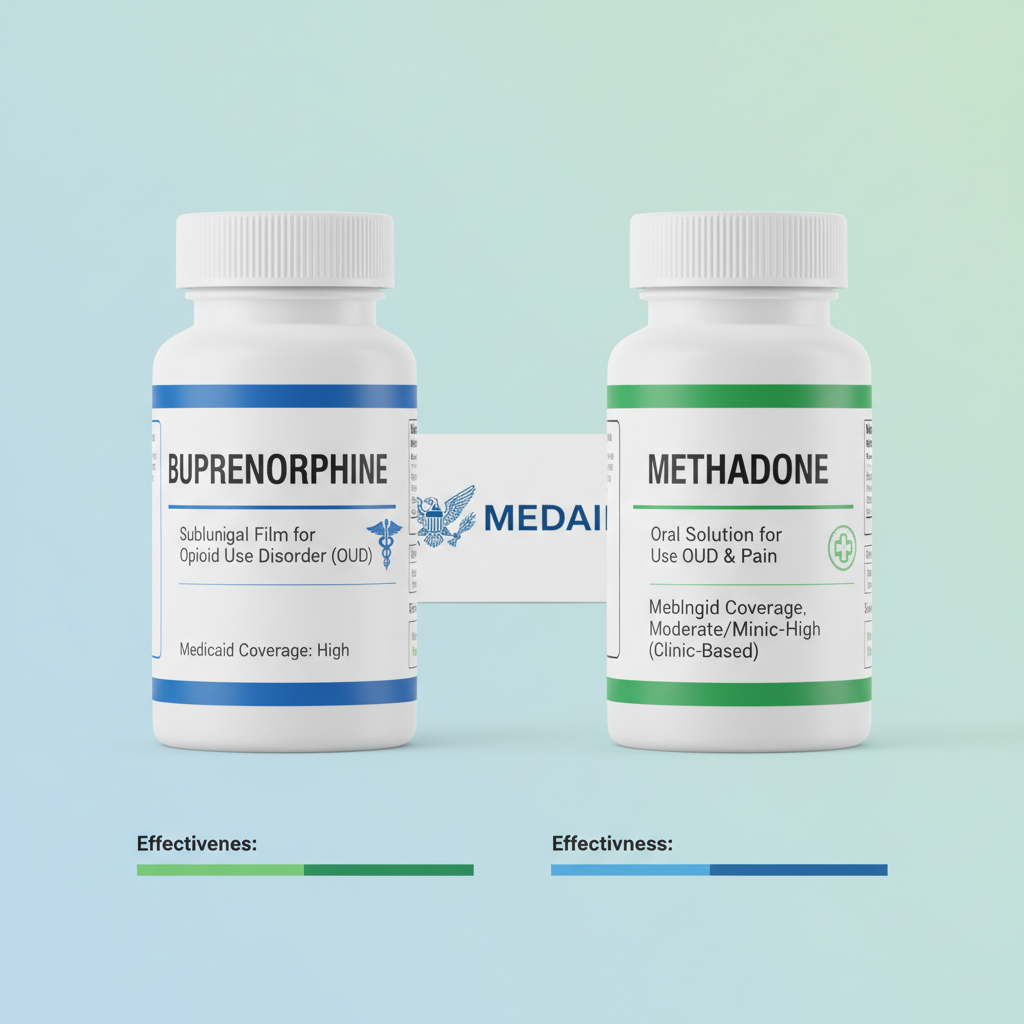
Certain medications can significantly reduce cravings. For example, individuals recovering from opioid use disorders may benefit from suboxone treatment or medically assisted detox. These approaches combine medication (like buprenorphine or methadone) with professional oversight, giving you a more stable foundation from which to focus on your recovery work.
Specific medications are also effective for alcohol use disorder, such as naltrexone, which has been shown to reduce the risk of relapse significantly (NCBI Bookshelf). Medications often play an essential role in relapse prevention, especially if you have struggled with withdrawal symptoms in the past. It is also crucial to remember that medication alone is not a cure. Instead, it is part of an integrated approach that includes counseling, peer support, and ongoing monitoring.
Monitoring and accountability
Monitoring your progress can provide extra motivation to hold onto your sober gains. This step might involve regular check-ins with a therapist, group meetings, or even biological monitoring through drug screens. Tools like drug screening services can help you and your treatment team identify any lapse promptly, ensuring help can be offered long before small slips grow into full relapse.
During these accountability sessions, make time to reflect on the new coping skills you have learned and discuss ongoing hurdles. An essential part of any relapse prevention program is the ability to identify and navigate triggers in real-time. Embracing consistent monitoring also fosters trust between you and your care team, which can enhance your comfort in discussing challenges openly.
Build a reliable support system
A trusted network of supportive people can fortify your resilience. Whether your circle includes family, friends, professionals, or peers in recovery, each person can play a vital role in your relapse prevention plan.
Leveraging peer support
Peer support groups significantly decrease isolation and sustain motivation. In fact, research shows that continued engagement in support communities leads to better long-term recovery outcomes (St. James Rehab). Groups like mara groups or 12-Step fellowships typically offer a balance of accountability and understanding. If you prefer a setting that encourages open-dialogue and shared experiences, you might explore intensive outpatient group therapy or group therapy substance use.
Additionally, many individuals find it helpful to connect with a sponsor or recovery mentor who understands the nuances of addictive behaviors. This mentor-mentee relationship often provides immediate guidance when cravings or emotional distress arise.
Family involvement
Families can offer essential emotional grounding when properly included in the recovery journey. According to multiple studies, having robust social support correlates with lower relapse rates. Some experts highlight the impact of perceived social support on building self-efficacy, making you more confident in handling challenges linked to addiction (PMC).
You may consider family sessions through family counseling addiction. These sessions can help loved ones learn about addiction, clarify their role in your support network, and develop communication strategies that promote understanding rather than judgment. A healthy home environment, where each member respects boundaries and encourages accountability, can be instrumental in relapse prevention.
Consider specialized services
Recovery from opioid addiction is not one-size-fits-all. Perhaps you require an approach that also addresses a mental health disorder, or the co-occurrence of certain social complications. Specialized services can help fill these specific gaps and reinforce your relapse prevention plan.
Tailored programs
If you are coping with both substance use challenges and mental health issues, dual diagnosis treatment or co-occurring-disorders-treatment can address both simultaneously. This comprehensive care reduces the likelihood that untreated mental health needs will undermine your resolve. Individualized care recognizes that each person’s path to recovery is unique, involving different emotional, social, or physical stressors.
Some individuals benefit from a gender-specific approach, such as a men substance use program or a program focusing on postpartum addiction treatment. These environments foster camaraderie and security, encouraging you to delve deeply into topics that might feel too vulnerable in mixed settings. If you are a parent or have childcare responsibilities, you may find specialized resources for pregnant women or postpartum individuals especially meaningful.
Mixed modalities
In many cases, successful relapse prevention integrates multiple treatment modalities. For instance, you might pair medication assisted treatment with ongoing therapy and aftercare. This could include aftercare support services that keep you connected to the resources you need after completing a more intensive program. There are also telehealth formats, such as telehealth addiction counseling, if you have scheduling or logistical limitations.
Another angle involves community resources like community outreach addiction or justice involved client support for individuals navigating legal requirements or re-entering the workforce. Engaging with these programs can provide practical assistance, such as job placement or housing referrals, which can help stabilize your life circumstances and minimize stressors that might trigger a relapse.
Why choose us for lasting recovery
When you are searching for the right place to pursue (or continue) your opioid recovery, counseling, or DUI/DWI education, it is important to find a center that blends respect, empathy, and expertise. At Addiction Treatment Centers of MD, we pride ourselves on offering targeted, individualized care to help you maintain sobriety. Whether you are seeking immediate detox, licensed counseling, or an in-depth relapse prevention plan, we have counselors and clinicians ready to guide you.
Comprehensive approach
We firmly believe that treating the core issues behind opioid addiction goes beyond clinical interventions alone. We emphasize a combination of therapies, medications, monitoring, and real-world skill-building exercises. This inclusive formula helps you adapt to the daily challenges that can sometimes catch you off-guard in recovery. Our approach also prioritizes:
- Integrated support for co-occurring conditions
- Personalized counseling methods that resonate with your individual needs
- Continued support and follow-up through specialized outpatient programs
By choosing our center, you are not just signing up for short-term sobriety, you are investing in a life-changing journey that addresses all aspects of your well-being.
Your next steps
Your relapse prevention plan can be initiated at any time—whether you are new to recovery or have been sober for years. Should you feel uncertain about the right combination of interventions, our team is here to offer clarity. You can begin with a thorough assessment of your physical health, mental health, and substance use history, followed by the development of an individualized treatment roadmap tailored to your specific risks.
From there, you might decide to explore our individual therapy track if you need one-on-one guidance, or our intensive outpatient group therapy, where you will find a supportive cohort of peers. If you need more direct monitoring and medication oversight, our case coordination addiction services or sobriety support groups might be for you. Whatever your path looks like, rest assured that relapse prevention remains an ongoing, adaptable component of your wellness plan.
Frequently asked questions
1. How do I know if I am at risk of relapse?
You might notice warning signs such as romanticizing past substance use, feeling unusually stressed or isolated, reconnecting with peers who used with you, or doubting the effectiveness of your recovery process. Emotional and mental symptoms also often show up first, such as heightened irritation, disturbed sleep, or internal bargaining about using “just once.” If you see these patterns, it may be a sign to revisit your relapse prevention plan and reach out for support.
2. Can I adjust my plan if I notice new triggers?
Absolutely. Relapse prevention planning is meant to be flexible. As you encounter new experiences and situations, it is wise to update your plan to include any triggers or coping strategies you might have overlooked initially. Ongoing communication with your counselor, sponsor, or support group will help you refine and strengthen your plan as your life circumstances evolve.
3. What should be my first step if I do relapse?
A relapse is not a definitive failure, but it does indicate you likely need additional support. Begin by contacting a trusted healthcare professional or treatment provider. You can also seek out resources like aftercare support services. Assess what might have contributed to your relapse, whether it was a certain location, social dynamics, or internal stress. Then, adjust your relapse prevention plan accordingly and consider reinforcing your treatment schedule, possibly by returning to or increasing therapy sessions or attending more frequent peer support meetings.
4. What role does my family play in relapse prevention?
Family members can bolster your motivation, establish a secure environment, and celebrate your progress. However, it is vital to ensure your loved ones receive education and guidance about addiction, so they understand how to be supportive without enabling harmful behavior. Family counseling addiction is an excellent avenue for encouraging open communication, resolving conflicts, and fostering shared commitment to your sobriety.
5. Why should I choose Addiction Treatment Centers of MD?
At Addiction Treatment Centers of MD, you will find specialized, expert care for opioid recovery, counseling, and DUI/DWI education needs. We provide a robust selection of services, from medication assisted treatment and suboxone treatment to individual therapy and intensive outpatient group therapy. Our compassionate professionals integrate evidence-based practices, consistent follow-up, and personalized solutions into every recovery plan. By choosing us, you are stepping into a community that genuinely understands addiction and strives to help you maintain your health and independence long after formal treatment concludes.
Creating a relapse prevention plan is an investment in yourself. By identifying triggers, using proven strategies like CBT or medication support, and staying connected to a network of empathetic professionals and peers, you solidify the protective boundaries around your sobriety. Remember, recovery is not about perfection—rather, it is about resilience, learning, and a steady commitment to moving forward. We look forward to providing you with the tailored treatment programs, supportive environment, and individualized plans necessary for lasting recovery. Reach out anytime to discuss how we can support you on your path to freedom from addiction.