
Recognize the significance of gateway mental health support
When you are facing the weight of addiction or a co-occurring mental health condition, finding comprehensive resources can transform your path to recovery. Gateway mental health support can serve as a bridge, connecting you to the resources and encouragement you need. Whether you are battling opioid dependence, alcohol misuse, or any other substance-related challenge, focusing on mental health is just as vital as addressing the physical aspects of addiction.
Numerous organizations carry the name “Gateway,” each dedicated to different facets of mental health. For instance, Gateway Foundation has served communities for decades, aiming to reduce substance abuse through effective treatment programs and broad public education (Gateway Foundation). Other initiatives, like Gateway Homes, offer residential treatment for those living with intricate mental health issues such as Schizophrenia or Bipolar Disorder (Gateway Homes). Regardless of location or specialty, these programs share a commitment to restoring balanced mental health, instilling hope, and guiding individuals toward independence.
You might already be aware that addiction is not merely a matter of willpower or poor choices. It is a complex disease that influences thought patterns, behaviors, and emotional well-being. Mental health support can help you identify underlying triggers, develop healthier coping mechanisms, and ultimately foster resilience. This approach can be crucial if you are navigating the challenges of opioid recovery, reconciling your personal life, or steering through the legal implications of driving under the influence. In each of these cases, the right level of care can reshape your journey and guide you toward lasting change.
Address unique challenges of addiction
Addiction can present unique hurdles, especially when you or your loved one is juggling responsibilities at home or in the workplace. If you have ever felt overwhelmed by daily pressures, you might also know how easy it can be to rely on substances for temporary relief. Yet, this reliance can quickly spiral, intensifying your stress rather than providing true long-term solutions. Some people hesitate to seek help for fear of judgment or uncertainty about where to begin. However, acknowledging how addiction intersects with mental health is the first step in designing an effective plan.
- Social pressures: Societal norms and expectations can create additional anxiety about speaking up or attending specialized programs. This is especially true for men, who may feel disinclined to appear “weak” or vulnerable.
- Family conflicts: Unresolved familial tensions or avoidance of emotional discussions can contribute to feeling isolated.
- Workplace demands: Certain occupations are more stressful than others. Long hours, intense workloads, or a high-pressure environment can heighten the urge to self-medicate with substances.
- Co-occurring disorders: Conditions like depression, Post-Traumatic Stress Disorder, or anxiety may overlap with drug use, leading to complicated treatment needs.
- Legal implications: DUI or DWI charges can add another layer of stress, as you might face court proceedings, financial obligations, and mandated treatment requirements.
By acknowledging these issues, you empower yourself to seek resources that address the underlying root causes of addiction. For many people, a path that integrates substance use counseling and mental health support is essential. When your treatment includes a deeper look at the factors fueling harmful behaviors, you have the chance to make meaningful progress in overcoming addiction. From peer-led meetings, such as sobriety support groups, to more specialized clinical services, the goal is to provide a warm, understanding atmosphere where you feel safe sharing your experiences.
Explore core treatment components
Comprehensive addiction treatment is rarely achieved by focusing on one single method. Instead, you benefit from a blend of approaches specifically calibrated to your health needs. From medically supervised detox to ongoing therapy, each component contributes to a holistic model of care that supports you as a whole person.
Medication-assisted strategies
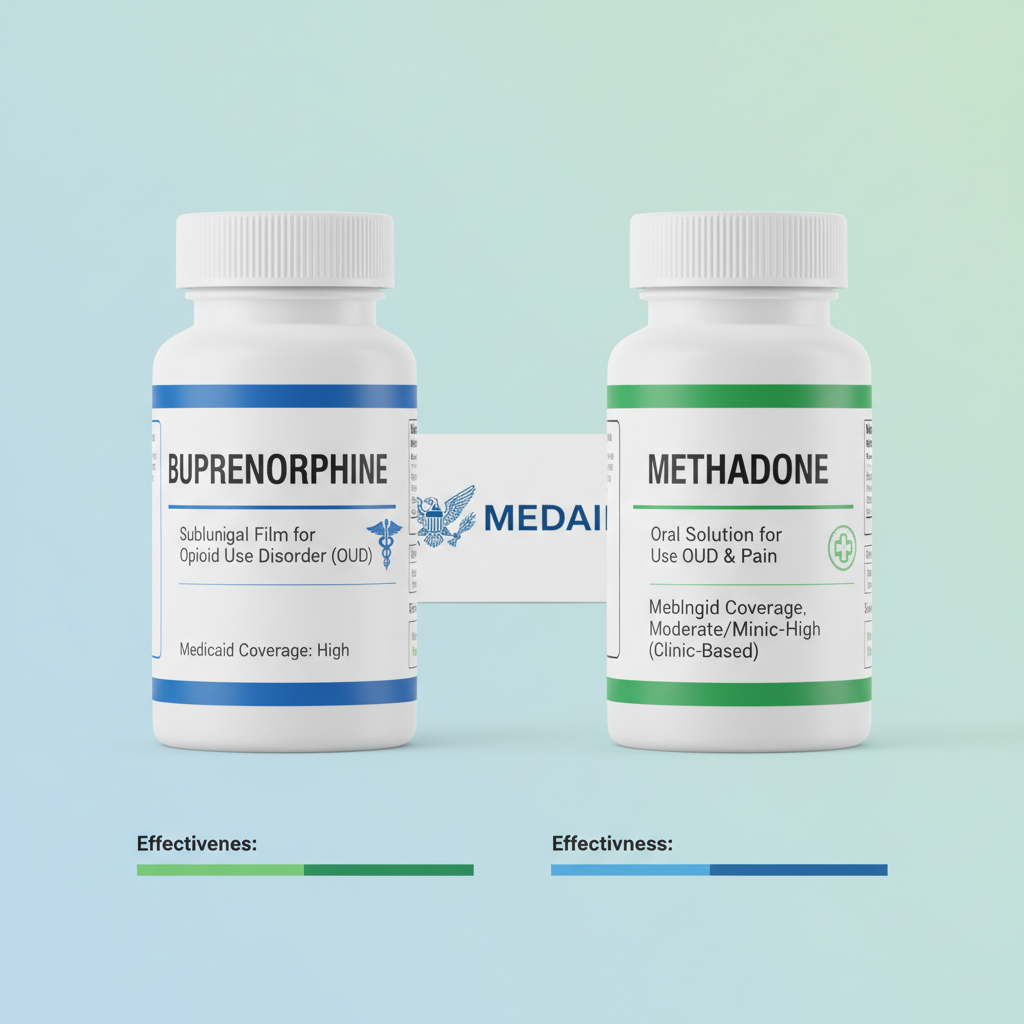
If you are recovering from opioid addiction, medication-assisted strategies can help stabilize your body and readiness for long-term recovery. Some individuals may enroll in suboxone treatment or methadone treatment, which use carefully monitored medications to minimize withdrawal symptoms. These treatments can reduce cravings and pave the way for deeper, more productive counseling sessions.
A variety of counseling options
Addiction often stems from a cycle of self-defeating thoughts, unaddressed pain, or unhelpful coping mechanisms. Therapy forms the backbone of many programs, addressing core recovery needs. You might choose:
- Addiction counseling: A chance to navigate the emotional components of substance use, identify negative thought patterns, and develop healthier habits.
- Individual therapy: One-on-one sessions where you can explore personal triggers, trauma, and mentally prepare for lifestyle changes.
- Intensive outpatient group therapy: A flexible solution designed for those who may not need inpatient care but require rigorous, structured support.
- Family counseling addiction: Engagement with family members to rebuild communication and create a supportive home environment.
Dual-diagnosis or co-occurring disorder care
If you are also dealing with mental health conditions, dual diagnosis treatment or co-occurring disorders treatment helps you address both the addiction and the mental health challenge simultaneously. This is particularly valuable for those dealing with mood disorders, anxiety, or trauma while attempting to manage substance dependence. By working through each issue in an integrated treatment plan, you can more effectively maintain progress once formal treatment is complete.
Community and peer support
Strong social networks often promote recovery success. Participating in group-based therapy, forging bonds with others facing similar challenges, and accessing continuing care all boost your motivation. Not only does this bolster accountability, but it also provides comfort in knowing you are not alone. Peer support is a cornerstone of mental health recovery, as evidenced by community-based organizations like Gateway in South Carolina, which uses a clubhouse model focused on relationships and skill-building (Gateway). These supportive relationships can complement your clinical therapy, reminding you that people around you truly care about your progress.
Why choose Addiction Treatment Centers of MD
In your search for assistance, it is wise to find a provider that offers not only a wide range of options but also genuine compassion and understanding of your personal situation. Addiction Treatment Centers of MD has become a top choice for individuals seeking individualized solutions—particularly for opioid recovery, mental health counseling, or even DUI/DWI education. Here are a few notable reasons to consider this center:
-
Personalized care options
Every recovery journey looks different, and personalized planning can make a remarkable difference in your outcomes. By combining therapy methods, medication-based approaches, and specialized programs, the team can tailor their services to your circumstances. For instance, if you require medication assisted treatment, you can align that with therapy and aftercare so that you have a thorough support system in place. -
Extensive range of services
Admitting you need help for substance misuse may raise questions such as whether your program can also handle mental health difficulties or whether you must juggle multiple specialists. At Addiction Treatment Centers of MD, you can access a robust network of care, from court mandated dui classes and drug screening services for legal obligations, to relapse prevention planning for sustainable healing. -
Empathetic and competent staff
Staff members who truly grasp the psychological hurdles of addiction can make an enormous difference in motivating you toward progress. Counselors and clinical professionals who focus on co-occurring issues help ensure you feel uniquely supported. -
Education-centered approach
Navigating the journey to recovery involves more than taking steps to achieve sobriety. It is equally about learning how the disease of addiction arises and how to prevent future relapses. Through workshops, outside agency remote services, and direct collaboration, you can gain insights that empower you in every aspect of your life. -
Continuous encouragement
Recovery is not a one-time event but a lifelong commitment to healthier living. Knowing support is readily available, whether for ongoing outpatient counseling or aftercare support services, offers a sense of stability and consistency that is essential for lasting success.
Finding supportive resources
As you explore specialized services—whether you are drawn to Gateway Foundation’s reputable addiction care or the transitional settings provided by Gateway Homes—you will see that mental health support stands out as a key contributor to stability. The more comprehensive the resources, the more your physical and emotional well-being can flourish. Research indicates that integrating mental health tools reduces the likelihood of relapse and speeds overall recovery. For instance, Gateway Institute’s approach to conditions like OCD includes a fusion of Exposure Response Therapy (ERP), peer discussions, and ongoing group support (Gateway OCD). Though your circumstances may differ, the principle of embedding mental health interventions into addiction recovery holds true across many contexts.
Below is a quick comparison table illustrating how various Gateway organizations serve mental health, and how such services can intersect with your journey:
| Organization | Focus Area | Primary Benefit |
|---|---|---|
| Gateway Foundation | Substance use disorders, co-occurring issues | Evidence-based therapies, cost-efficient programs, education |
| Gateway Homes | Severe mental illness (e.g., Schizophrenia) | Transitional residential treatment, independence-building strategies |
| Gateway Institute | OCD treatment | Intensive outpatient programs, ERP, support groups |
| Gateway (Clubhouse) | Adult mental health rehab in SC | Relationship-centered rehabilitation, skill development, peer engagement |
Even if these particular organizations are not in your region, they offer universal lessons about how mental health support can bolster addiction recovery. By collaborating with a facility such as Addiction Treatment Centers of MD, you can incorporate best practices, ensuring that your path forward addresses both your mind and body.
Steps to begin your journey
Choosing a program that addresses both substance use and mental health is a significant commitment. You are taking a bold step forward, and it is useful to know what the path could look like:
- Initial assessment
Your first consultation often includes a psychiatric evaluation and medical screening. Collecting details about your substance use, personal history, and mental health needs shapes a safe and tailored treatment plan. - Stabilization, if necessary
For anyone in acute withdrawal or experiencing severe symptoms, medically assisted detox may be the next step. This stage helps reduce discomfort and prepare you mentally for further interventions. - Treatment planning
Here, you decide which approaches will be most beneficial. Options might include individual therapy, co-occurring disorders treatment, or specialized outpatient services like addiction therapy outpatient. - Skill-building and counseling
Learning to cope with triggers, managing stress, and maintaining emotional balance are essential to long-term sobriety. Group sessions, such as group therapy substance use, can reinforce personal accountability and reduce feelings of isolation. - Aftercare and sustained progress
Once you complete the main phases of treatment—particularly if you opted for short-term intensive programs—ongoing aftercare support services help preserve the gains you made. This might include check-ins at a facility, telehealth counseling sessions, or involvement in a peer-led community group.
When you view treatment as a multi-faceted process, your potential for success grows. You gain practical coping mechanisms, emotional fortitude, and crucial insights into your own behaviors. Working with a team that has experience in mental health and addiction also firmly anchors you in evidence-based practice, fostering positive outcomes long after you depart the formal program.
Embrace your future with hope
One of the most empowering aspects of recovery is recognizing that you are not defined by past mistakes or missed opportunities. Instead, your willingness to seek help opens doors to growth and reconnects you with your personal strengths. As you incorporate strategies learned in therapy, rely on social supports, or continue medication-assisted programs, you build a foundation of resilience.
Moving forward, you can also explore supportive communities that share your vision of progress. Local resources, both clinical and community-based, can provide valuable perspectives on enduring mental health. Furthermore, acknowledging co-occurring disorders, if present, and systematically addressing those in tandem with addiction can boost your sense of self-efficacy. Over time, a combination of empowerment, ongoing counseling, and purposeful lifestyle changes evolves into lasting recovery.
Whether you are looking into teen-oriented programs or solutions for older adults, every stage of life can benefit from a consistent recovery plan. That may include specialized therapies, monitored medication, or simply having a peer to call when you feel your motivation lagging. If you or a loved one is considering diving into these possibilities, consider how actively engaging with the process can enrich your life. Counseling, skill-building, education, and emotional safety nets all contribute to your new beginning.
Frequently asked questions
-
What is gateway mental health support?
Gateway mental health support refers to services provided by organizations that carry a “Gateway” name, often focusing on addiction, mental illness, or both. From Gateway Foundation’s comprehensive addiction programs to Gateway Homes’ transitional care, the common thread is an emphasis on physical and mental well-being. While each location has its unique focus, they share a mission to deliver education and effective treatment for those in need. -
What types of programs are available for opioid addiction?
Many centers—such as Addiction Treatment Centers of MD—offer diverse opioid recovery programs, including suboxone treatment and medication assisted treatment. You can also find complementary options like court mandated dui classes if you have legal obligations, addiction counseling to address underlying behaviors, and continuing care to strengthen your long-term resilience. -
How long does a typical recovery program last?
The length of a program varies from person to person. Inpatient or residential treatment might range from a few weeks to a few months, depending on the severity of substance use and any co-occurring mental health conditions. Outpatient pathways, including intensive outpatient group therapy, can extend longer, allowing you to remain at home while receiving structured guidance. The key is finding a program that addresses your health, job, or family responsibilities. -
Do you offer DUI or DWI education services?
Yes. Certain facilities, including Addiction Treatment Centers of MD, provide specialized court mandated dui classes for individuals required to complete such programs. These classes address not only the legal implications of driving under the influence but also the underlying reasons for substance misuse, aiming to reduce relapse and recidivism. -
What if I have a co-occurring mental health disorder?
If you suspect or already know you have a mental health disorder alongside substance misuse, look for dual diagnosis treatment or co-occurring disorders treatment. By tackling both issues simultaneously, you can address each condition holistically. Most reputable centers will conduct a thorough assessment to match you with the right mix of therapy, medication, and supportive group settings.
Through the right blend of mental health interventions, counseling, peer support, and medical guidance, you have every reason to trust that recovery can become your reality. If you are seeking help for yourself or a loved one, this vision of comprehensive care—where emotional, physical, and social factors are equally considered—can propel you into a brighter future. By connecting with professional teams and supportive peers, you gain the tools and confidence needed to reclaim your life. It all begins by taking the first step toward the reliable, empathetic guidance you deserve. Through that journey, you will find the encouragement to grow beyond your current challenges and embrace long-lasting wellness.