
Understand substance use counseling
Substance use counseling is a specialized field designed to address the complex challenges you may face when battling drug or alcohol dependence. Through targeted therapies, empathetic support, and individualized planning, substance use counseling guides you toward a healthier, more balanced life. It includes a comprehensive examination of your personal history, triggers, and life circumstances, ultimately pinpointing the root causes of misuse and helping you develop practical coping strategies. By pursuing counseling, you give yourself the chance to address the underlying issues driving substance use. Many individuals discover that substance use counseling not only helps them attain sobriety but also fosters greater resilience, self-awareness, and emotional health.
One reason substance use counseling is so effective is that it acknowledges your unique challenges, from mental health concerns to family responsibilities, employment pressures, and more. Rather than relying on a one-size-fits-all approach, dedicated counselors focus on crafting tailored treatment programs—programs that encourage self-reflection, resilience, and active problem-solving. In many cases, you also have opportunities to learn invaluable life skills, like stress management or assertiveness, which create a strong foundation for a healthier lifestyle.
In addition, you may realize during the counseling process that you are not alone. Seeking help can feel overwhelming, but trained professionals offer you both compassion and evidence-based strategies. Their empathetic approach recognizes that substance use issues arise from a complex blend of factors, including your emotional well-being, relationships, and possible co-occurring disorders. By exploring concerns and doubts in a judgment-free environment, you open the door to genuine healing, self-understanding, and long-term change.
Explore benefits of personalized care
Personalized care embodies the philosophy that everyone’s journey to sobriety is unique. Whether you need help processing trauma, managing work-induced stress, or dealing with co-occurring mental health challenges, a tailored approach addresses your specific concerns. Personalized care often encompasses a variety of therapies and support options, ensuring you receive the tools you need to sustain long-term recovery.
Emphasize individual therapy
Individual therapy allows you to explore personal thoughts, emotions, and behavioral patterns privately with a licensed professional. This will enable you to address root causes of substance misuse in a highly focused setting. Sessions may involve unpacking your past experiences and discussing how earlier traumas or family dynamics might have influenced your substance use habits. Counselors often utilize proven approaches like individual therapy to give you a safe place for self-discovery and intensive transformation.
During these sessions, you can practice various techniques to control cravings, handle stress, and strengthen your emotional well-being. For instance, you might learn to recognize negative thought patterns that predispose you to relapse. By tackling them head-on, you enhance your resilience and foster healthier outlooks. Individual therapy also encourages you to celebrate incremental achievements, which can bolster your motivation to keep going despite hurdles.
Focus on group support
Group therapy introduces you to others going through similar experiences, making it a powerful vehicle for shared motivation. Feeling seen and supported by peers can remind you that you are never alone in your most difficult moments. Group therapy substance use sessions often highlight common triggers, coping mechanisms, and success stories, so you can leave with practical tips. This collective approach also cultivates camaraderie, accountability, and mutual encouragement.
Moreover, group sessions shed light on how your communication style and interpersonal skills evolve within a safe social environment. You can develop deeper empathy for others, which not only reshapes the way you see yourself but also transforms how you interact with the world at large. By participating in group-oriented discussions, you become more adept at expressing vulnerability, resolving conflicts, and rebuilding trust—essential components for lasting recovery.
Add family involvement
A supportive family is proven to improve treatment outcomes, reduce relapse rates, and enhance overall well-being (American Addiction Centers). Including loved ones in counseling promotes honesty and understanding, alleviating the stress that unresolved issues can create at home. Whether you are attending family sessions or facilitating open dialogue within the household, the goal remains the same: to reinforce a nurturing environment that encourages your healing.
Effective family therapy is often structured through family counseling addiction sessions. These sessions allow each member to communicate challenges, voice concerns, and set healthy boundaries. Using guided exercises, licensed professionals help you address the dynamics that might be fueling substance misuse. This process can mend emotional rifts, reduce misunderstandings, and equip family members with coping strategies for daily life. When your loved ones become active participants in your recovery, everyone experiences positive shifts in attitudes and interactions, ultimately making your path to health more attainable.
Combine evidence-based approaches
Evidence-based treatments anchor their effectiveness in scientific research. This term means the therapy methods or interventions you receive have been rigorously evaluated for their success in helping individuals overcome substance use challenges. Leveraging treatments validated by studies—and recommended by reputable organizations such as the National Association of Addiction Treatment Providers (NAATP)—ensures that you benefit from proven techniques.
Consider CBT and DBT
Cognitive-Behavioral Therapy (CBT) is widely recognized for helping individuals develop healthy thought patterns, manage cravings, and prevent relapse (NAATP). During CBT sessions, you work with your counselor to identify negative beliefs, then replace them with healthier perspectives. This shift often decreases self-defeating behaviors, fostering improved self-esteem and long-term resilience.
Dialectical Behavior Therapy (DBT), another research-based method, focuses on emotional regulation (NAATP). If you frequently find yourself overwhelmed by stress or anxiety, DBT provides you with practical skills like mindfulness and distress tolerance. These techniques help you navigate conflict and even rebuild relationships. As a result, DBT is particularly beneficial if you struggle with co-occurring disorders, making it a valued component in many comprehensive care programs.
Integrate experiential methods
Experiential therapy engages you in creative activities, such as guided imagery or role-playing (NAATP). These activities focus on eliciting emotions rather than just intellectual discussion. For many people, confronting subconscious feelings or past traumas in an experiential context can spark a deeper understanding of one’s triggers. This understanding becomes a powerful catalyst for personal growth.
Given how experiential therapy highlights emotions and experiences that might be difficult to express verbally, it can complement more traditional talk therapies by helping you process what words alone cannot capture. Many individuals find that accessing their physical, artistic, or emotional side in a supportive environment promotes holistic healing and sets the stage for improved confidence and clarity.
Use EMDR for trauma
Eye Movement Desensitization and Reprocessing (EMDR) helps individuals reframe traumatic memories, reducing their emotional impact (NAATP). Through a guided process that involves recalling distressing events while focusing on certain stimuli, you gradually desensitize triggering situations and build more positive associations. If you have experienced past events that continue to haunt you, EMDR can lessen the lingering emotional burden and minimize triggers that contribute to substance use.
In practice, EMDR sessions involve recalling traumatic experiences, discussing the associated feelings, and then reworking them through a bilateral stimulation process, often using specific eye movements. Over time, negative memories lose their power to trigger harmful behaviors. As you break free from the emotional chains of trauma, you pave the way for a healthier outlook—one less susceptible to relapse—and become more open to discovering new, constructive ways to cope.
Find dual-diagnosis support
Mental health disorders often walk hand-in-hand with substance use challenges, creating a complex clinical picture that might require specialized support. This situation is called a co-occurring disorder. You might be struggling with anxiety, depression, or bipolar disorder alongside substance misuse. If any underlying mental health conditions remain unaddressed, you are more prone to relapse, significant emotional distress, and difficulties in your daily life.
For comprehensive care, seeking dual diagnosis treatment is crucial. In these programs, professionals are trained to recognize how psychological conditions intersect with substance use. For instance, if your anxiety leads you to self-medicate with alcohol, the counselor first addresses the root of your anxiety while also helping you moderate your substance use. By treating both the mental health condition and the addictive behavior simultaneously, dual-diagnosis models improve outcomes and foster long-term recovery.
You might undergo medical evaluations to determine whether medication can help stabilize your mental health. You also explore group therapy or more intensive outpatient care that targets your particular mental health challenges. Over the course of treatment, as you gain insight into both your emotional state and your addiction, you are better equipped to manage triggers and reduce vulnerability to relapse.
Choose Addiction Treatment Centers of MD
When you are ready to seek help, it is essential to align yourself with a facility that understands your unique path toward recovery. Addiction Treatment Centers of MD prides itself on offering a supportive environment for individuals at different stages of their journey. Their approach centers on compassion, expertise, and collaboration—ensuring you receive a treatment plan built around your needs.
Experience comprehensive services
Addiction Treatment Centers of MD stands out for its range of evidence-based options and specialized programs. Whether you require suboxone treatment to manage cravings or medically assisted detox for a medically supervised process of withdrawal, you find everything under one roof. This level of integration streamlines your recovery; you are not bounced between unrelated services.
By engaging with therapies that tap into the synergy of individual, group, and family components, you benefit from a well-rounded approach. You can tailor counseling frequency, explore programs suited to your preferred pace—like intensive outpatient group therapy if you have a demanding schedule—and ultimately create a blueprint for your own sustained well-being. From co occurring disorders treatment to case coordination addiction, multiple pathways exist to address multifaceted needs.
Address ongoing legal needs
Substance misuse or impaired driving can carry legal consequences. Addiction Treatment Centers of MD offers the resources necessary to help you meet court requirements while progressing in your recovery. If you have been court-ordered to attend classes, you may benefit from specialized court mandated dui classes, ensuring you fulfill legal obligations without sacrificing therapeutic value.
Overcoming legal challenges is more than checking off a box. Comprehensive counseling also dives into the core behaviors and circumstances that led to issues behind the wheel or other legal infractions. Paired with consistent follow-ups, it aims to reduce the likelihood of repeat offenses. In this setting, you gain practical strategies that help you restore your life and lay a stronger foundation for a future with fewer complications.
Stay dedicated to aftercare
Addiction Treatment Centers of MD sees recovery as a continuous journey. Even after you complete a program, it is crucial to prevent relapse and maintain sobriety. Accessing aftercare support services ensures you receive ongoing guidance, from help with housing referrals to connecting you with peer support groups that uphold accountability. This commitment to long-term care also involves monitoring your progress and providing new interventions if any bumps arise.
Additionally, you might take advantage of relapse prevention planning sessions to maintain focus and resilience. Therapists and case managers help you formulate a realistic plan for coping with triggers, building a sober lifestyle, and returning quickly to stable ground if setbacks occur. These carefully structured programs help you continue to flourish, well beyond initial treatment.
Overcome opioid dependence
Opioid addiction can be daunting. The cravings, withdrawal symptoms, and emotional struggles can feel relentless. However, the risk of staying stuck in opioid misuse—from physical health deterioration to potential legal ramifications—warrants immediate attention. Pairing evidence-based approaches with compassionate care is a proven path forward.
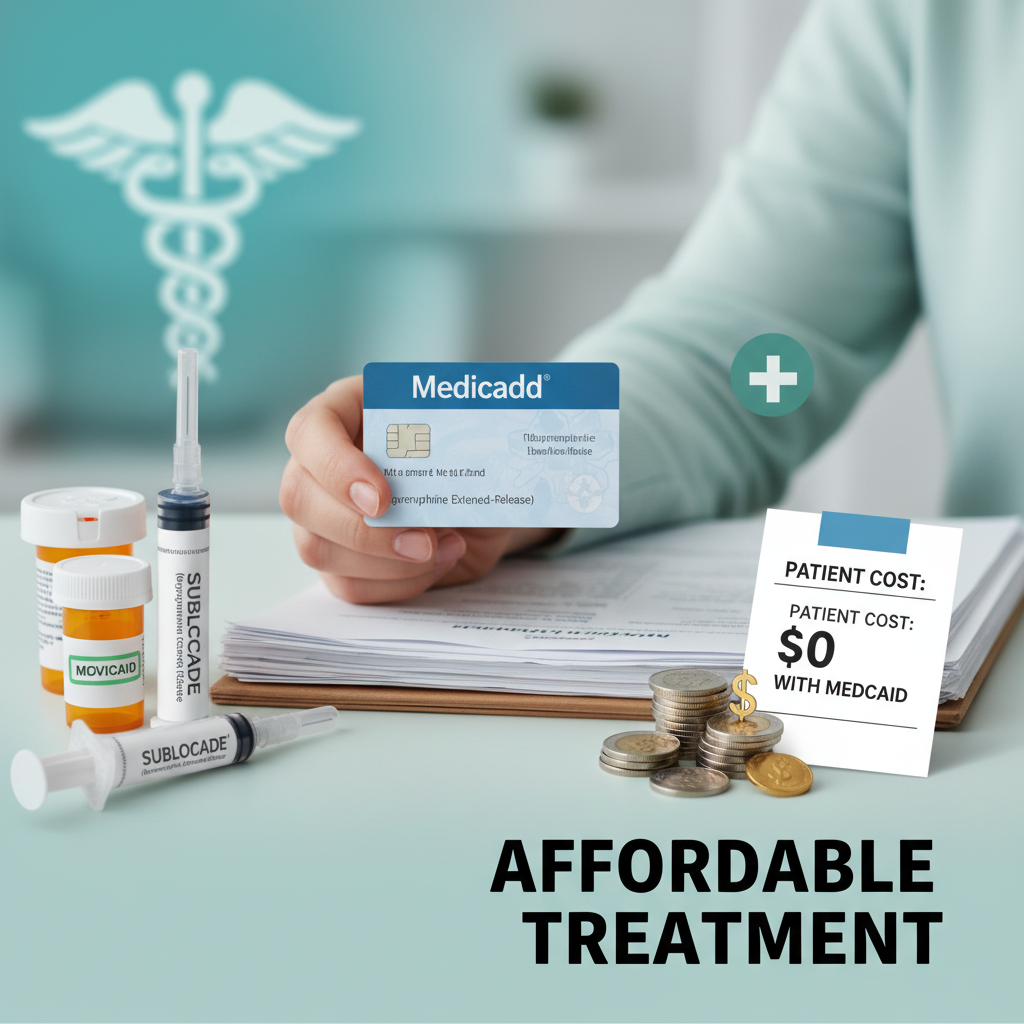
In many cases, a treatment plan includes medication assisted treatment for opioid use disorder. These medications stabilize your condition by reducing cravings and minimizing withdrawal symptoms, allowing you to focus on the emotional and psychological aspects of recovery. You may work with a team of specialists who provide day-to-day support, ensuring that your progress is monitored and that you have quick access to adjustments in medication or counseling approaches if necessary.
Completing a clinically supervised detoxification removes the immediate threat of unsafe withdrawal, often the most physically stressful aspect of this journey. Once you are medically stable, your counselor and support team delve into behavior modification strategies—like CBT or DBT—to address the thoughts, emotions, and experiences that fuel your reliance on opioids. Using a holistic approach that touches on your nutrition, emotional health, and social relationships creates the support necessary for lasting recovery.
Discover DUI/DWI education
Driving under the influence, or driving while intoxicated, comes with serious legal and personal repercussions. If you or a loved one has received a DUI or DWI charge, it can signal a deeper dependence on substances. DUI/DWI education programs, offered through centers such as Addiction Treatment Centers of MD, go beyond meeting legal requirements; they empower you to break the cycle of dangerous behavior while fostering a healthier relationship with yourself and your community.
These programs highlight the risks of driving while compromised, the role of stress and destructive habits in repeated offenses, and the steps needed to cultivate positive change. Classes often address the importance of accountability, requiring participants to examine how their decisions affect loved ones, pedestrians, and fellow drivers. Furthermore, you are connected to valuable resources, such as counseling or telehealth addiction counseling, making it easier to integrate new, safer habits into your daily life.
Learn how to get started
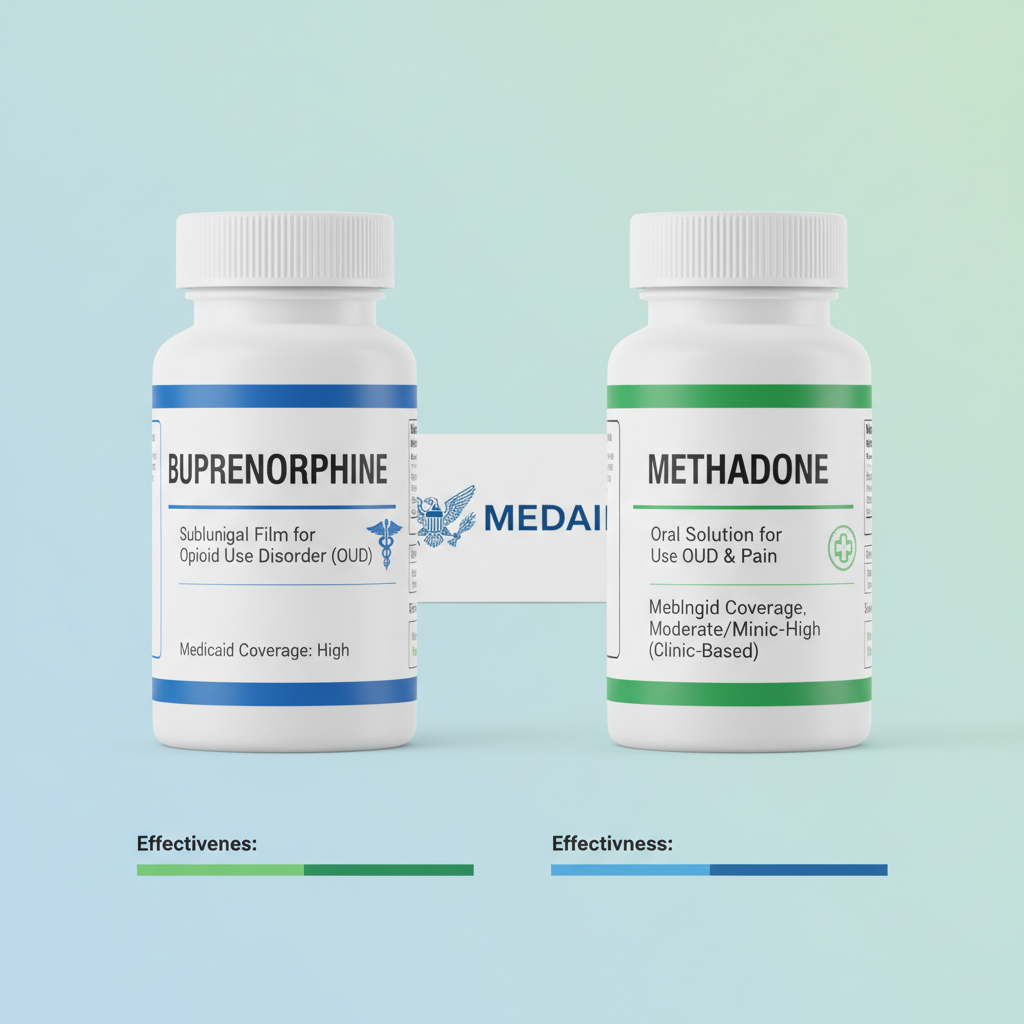
Embarking on a new chapter in your life can feel both exhilarating and unsettling. Addiction Treatment Centers of MD strives to simplify the intake process so you can receive timely support. It often begins with a consultation or psychiatric evaluation outpatient appointment. This step allows professionals to assess your current substance use patterns, identify any mental health concerns, and recommend a plan that aligns with your needs. If an opioid use disorder is present, for example, they can connect you to methadone treatment or suboxone, providing you with structured medication management.
Depending on your situation, partial hospitalization or addiction therapy outpatient may be more appropriate than an inpatient model, especially if you must balance work or family obligations. In some cases, a client might transition from a higher level of care to a lower level over time. Throughout these changes, counselors stay engaged, offering on-site or remote consultations. This personalized pathway ensures you are never left to navigate unfamiliar territory alone.
Finally, financial barriers often hinder individuals from seeking help. If you require flexibility in your payment structure, ask about sliding scale payment addiction options. Insurance coverage can be verified quickly, and special arrangements may be available if you qualify for programs like nonprofit addiction clinic services. By asking questions and being transparent about your needs, you lay a strong foundation for success.
Frequently asked questions
How long does substance use counseling last?
There is no fixed duration for substance use counseling. Some programs last a few weeks, while others may extend for months or even years, depending on your progress and the severity of your situation. Often, longer engagement allows you to address deeper emotional issues and form healthier habits. If you begin with intensive treatment, you might gradually reduce the frequency of sessions while transitioning to maintenance therapy and peer support groups.
Is family therapy included?
Yes, many counseling programs encourage relatives to participate in family therapy. Family involvement can improve communication, enhance trust, and foster a supportive home environment (American Addiction Centers). If you are interested in this collaborative approach, consider exploring family counseling addiction. Engaging key family members reinforces long-term recovery because everyone learns healthier ways to respond to challenges.
What if I need medication assisted treatment?
If medication is deemed beneficial or necessary, counselors will connect you with a prescribing professional. Medications like methadone or suboxone might help stabilize opioid cravings. Other types of medication can address co-occurring mental health disorders. Recovery programs such as medication assisted treatment combine medication with behavioral counseling, ensuring you receive a balanced approach tailored to your overall wellness.
Can I attend counseling remotely?
In many cases, yes. Online or phone-based programs have become increasingly popular and highly effective (especially if you are balancing work, family, or mobility constraints). Telehealth addiction counseling can maintain the same structure and accountability as on-site sessions, though you will want to confirm which services best fit your situation. This flexibility allows you to keep your mental health needs a priority without compromising other obligations.
How do I handle a relapse risk or triggers?
Relapse prevention is a critical element of substance use counseling. It involves identifying warning signs such as social pressures or emotional distress, then developing specific strategies—like mindfulness, relaxation techniques, or reaching out to a counselor—to mitigate the chance of relapse. In addition, many find that relapse prevention planning sessions guide them in creating safer routines, stable peer networks, and regular check-ins. With the right backup plans and coping skills, you can pivot away from old patterns and maintain your progress.
By embracing counseling, you give yourself renewed hope and the stability to rebuild areas of your life that may have suffered. Substance use counseling offers a structured, empathetic path to sustainable recovery, enabling you to reclaim not just your physical health but your emotional well-being and relationships as well. At Addiction Treatment Centers of MD, you will find a compassionate team ready to support your journey every step of the way. If you have been wondering whether help is possible, know that your journey can start now, and the future holds promise for a healthier, more resilient version of yourself.