
Explore youth outpatient benefits
If you or your loved one are searching for a supportive and flexible option to address opioid use, mental health concerns, or various substance use issues, you may want to consider a youth outpatient addiction program. Choosing the right program can help you balance everyday commitments, like school or work, with structured therapy sessions and ongoing professional guidance. Support is tailored to your needs, helping you pursue lasting recovery in an environment designed to keep you motivated and empowered.
Outpatient care for youth comes in different formats and intensities. Many programs offer a minimum of nine hours of therapy per week, often broken into three-hour sessions spanning three days, although some programs provide extended hours or additional days of treatment (PubMed Central). These sessions commonly include one-on-one counseling, group therapy, and, if necessary, medical support services. By engaging in outpatient treatment, you gain psychosocial support, relapse prevention strategies, and opportunities to improve interpersonal skills, all without stepping away from your daily life.
In 2011, there were 6,089 substance abuse intensive outpatient programs across the United States, serving nearly 141,964 patients, about 12% of those in treatment (PubMed Central). Studies have shown that intensive outpatient programs (IOPs) can be as effective as inpatient or residential care, with all reporting substantial reductions in substance use from the start of treatment to follow-up (PubMed Central). This evidence highlights the value of outpatient services, especially for adolescents and teens who need a highly personalized approach.
As an adolescent or young adult, you face specific challenges that benefit from the adaptability of an outpatient setting. Many young people find it more comfortable to engage in therapy online or by phone, especially when they have difficulty commuting or scheduling appointments in person (SAMHSA). Additionally, a youth outpatient addiction program can address everything from opioid recovery to mental health conditions. Through therapy and counseling sessions, you can learn healthier coping mechanisms and discover new ways to handle day-to-day responsibilities.
Understand inpatient vs outpatient care
When deciding between inpatient and outpatient services, you should weigh factors like intensity, clinical needs, and personal commitments:
-
Inpatient care
Inpatient or residential programs often last several weeks or months, offering around-the-clock support. This is typically recommended if you require continuous medical monitoring or if safety is a concern. For instance, if you have severe withdrawal symptoms or are actively suicidal, residential care allows for immediate supervision and intervention. You live onsite for the duration of the program, which provides a highly controlled environment but can disrupt your everyday routines such as attending school or maintaining work responsibilities (Clear Behavioral Health). -
Outpatient care
In outpatient programs, you do not stay at a treatment facility. Instead, you typically attend therapy several times per week and return home afterward. This approach accommodates academic and personal commitments while still delivering treatment features like group therapy, individual therapy, or medical support if needed. Outpatient services are well suited for youth who have a reliable support structure at home, show motivation to adapt healthier behaviors, and do not need 24-hour supervision. Outpatient care lets you practice coping skills in real-life environments, reinforcing the path toward a more stable and sustainable recovery (SAMHSA).
For many adolescents, an outpatient program serves as a balanced solution. Teens who have already completed inpatient treatment, for example, might smoothly transition to outpatient care for continued support and ongoing skill development. Alternatively, those who have mild to moderate symptoms and can safely manage day-to-day life may benefit from outpatient services from the outset.
Key elements of tailored treatment
In an effective youth outpatient addiction program, intervention efforts are rarely one-size-fits-all. Ideally, your treatment plan should evolve according to your progress and any changing needs. Some pivotal elements of a personalized adolescent outpatient approach include:
Comprehensive assessment
Your journey typically starts when clinical professionals conduct an evaluation to identify mental health concerns, the severity of substance use, and any co-occurring disorders. The ASAM Criteria often guide this process, ensuring you receive a comprehensive assessment of your biomedical, psychological, and social needs. The evaluation pinpoints both your strengths and your challenges, resulting in a level of care recommendation that supports your recovery goals.
Holistic therapy methods
Teens often benefit from a variety of therapy approaches, including one-on-one counseling, group sessions, and family therapy. Cognitive Behavioral Therapy (CBT), Motivational Interviewing (MI), and other evidence-based interventions are widely used to identify unhealthy thought patterns, recognize triggers, and establish healthy coping skills. Additionally, your care team may suggest:
- Family therapy: Improves communication, heals strained relationships, and strengthens the support system at home. Consider family counseling addiction if you need a structured environment in which to resolve conflicts or address issues that may be fueling substance use.
- Trauma-informed care: Addresses any past traumatic experiences that may contribute to current challenges.
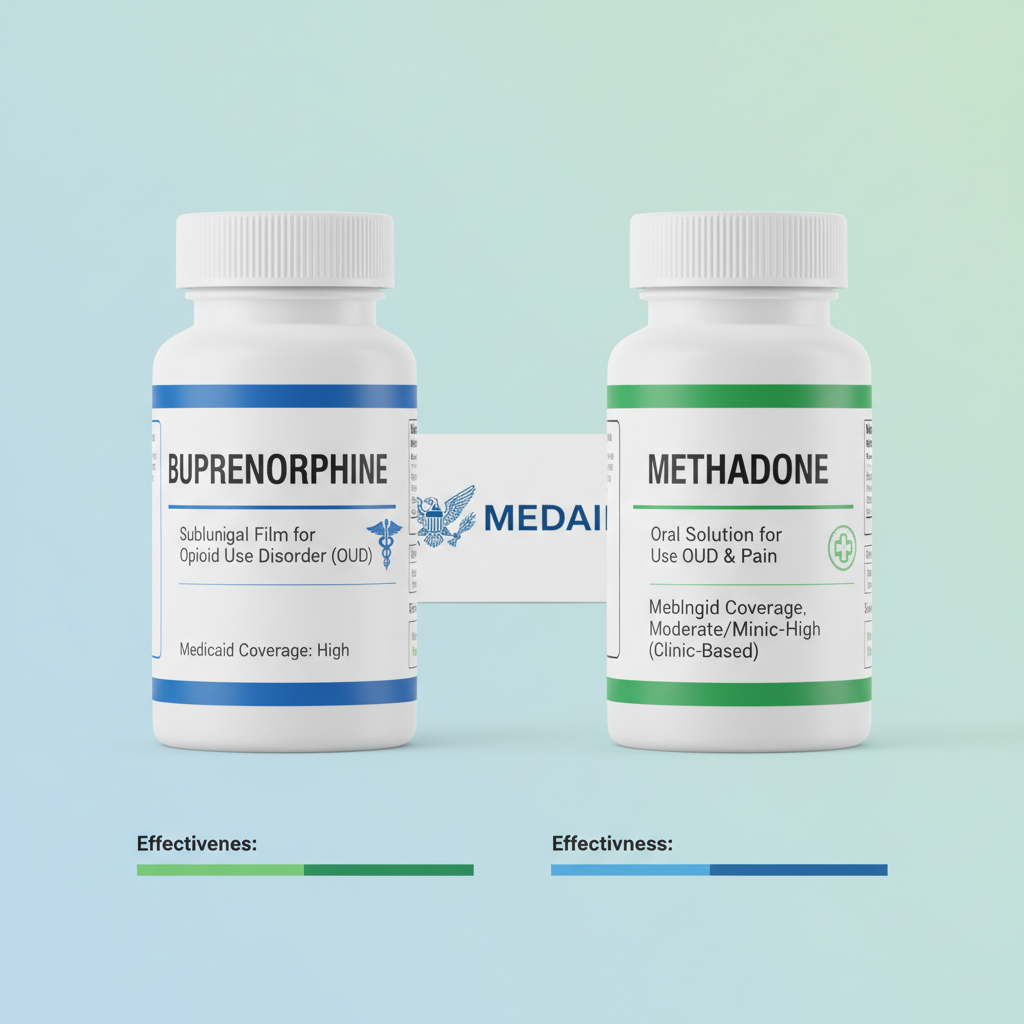
- Medication support: Some adolescents can benefit from medication for co-occurring conditions or opioid dependency. For instance, medication assisted treatment can help you manage cravings and withdrawal.
Peer-focused support
Many youth find it helpful to talk openly with others who share similar struggles. Group therapies, such as intensive outpatient group therapy, allow you to practice interpersonal skills, build empathy, and develop a network of peers who understand the hurdles you face. This sense of connection can counter the isolation and stigma often associated with addiction.
Relapse prevention strategies
Learning to maintain sobriety in dynamic, everyday circumstances is essential. Structured relapse management includes identifying high-risk situations, boosting your motivation, and developing a plan for challenging moments. Relapse prevention planning can emphasize healthy stress management, mindfulness strategies, and the practical application of coping tools that support long-term success.
Ongoing monitoring and follow-up
External influences can be overwhelming, especially when you step outside the safety net of therapy. Quality outpatient programs incorporate regular check-ins, drug screenings, and follow-up sessions to track progress and identify emerging issues. A thorough discharge plan might include transitioning to a less intensive form of treatment or tapping into further community resources, such as sober living arrangements or local sobriety support groups. This continuity of care helps cement the behavioral changes and coping strategies you learn during active treatment.
How we ensure comprehensive care
At Addiction Treatment Centers of MD, we recognize that every individual’s story is unique. Our approach merges robust clinical knowledge, compassion, and a supportive environment that emphasizes healing. Although our focus includes counseling, DUI/DWI education, and comprehensive opioid recovery, we also excel in youth outpatient programs that integrate seamlessly with daily responsibilities.
Multi-layered support
We provide interventions that help address underlying mental health disorders, physical well-being, and spiritual or emotional needs. For example, if you or your loved one struggles with a co-occurring mental health condition, our co occurring disorders treatment can help you receive therapy and medication management concurrently. This way, any anxiety, depression, or other issues can be addressed alongside substance use. Our aim is to ensure you receive:
- Psychiatric support: Our licensed therapists and qualified healthcare providers collaborate to monitor changes in medication or symptom patterns. If warranted, we offer psychiatric evaluation outpatient to refine your overall care plan.
- Counseling and education: Through addiction counseling, we emphasize cognitive and emotional tools designed to improve self-awareness, confidence, and coping abilities.
- Community connection: We maintain ties with organizations offering outside agency remote services, bridging any service gaps that might stand in your way of sustained progress.
Individualized plans
Your treatment plan is designed in collaboration with you and your family. From the very beginning, we assess your needs and goals, creating a personalized blueprint for healing. Our staff carefully calibrates each step of the recovery process, ensuring you receive the focus and structure necessary for meaningful growth. Skills training, group conversations, and personal reflections all align with the specific challenges you face at different stages of the process.
Accessibility and flexibility
We understand that balancing everyday life and treatment is vital. Outpatient services offer convenience, allowing you to continue school or work activities without an unnecessary long-term separation from your responsibilities. For those traveling from different areas or facing transportation constraints, we incorporate telehealth solutions, such as telehealth addiction counseling. This approach removes geographical barriers, ensuring you have the flexibility to attend therapy sessions from the comfort of your home.
Empathy and hope
Addiction Treatment Centers of MD fosters a comforting atmosphere that respects your privacy, background, and unique circumstances. We do not rely on judgment or shame. Instead, we deliver empathy, bolstered by years of industry-leading experience. Through gentle encouragement, we reinforce the concept that recovery is a journey, one in which small achievements compound over time. We encourage you to celebrate each milestone, no matter how small, and move forward with optimism.
Why choose Addiction Treatment Centers of MD
If you or your family member need a solid support system for opioid recovery or broader substance use challenges, Addiction Treatment Centers of MD provides a reliable, well-rounded solution. Here are a few reasons why our center stands out:
-
Industry expertise
We bring you specialized knowledge in treating opioid addiction, co-occurring disorders, and mental health issues, making us a trusted authority for youth outpatient care. Our staff continuously updates treatment methods to reflect the latest evidence-based practices, ensuring you receive the best care possible. -
Tailored treatment focus
We understand the value of customized therapy. Our methods prioritize your experiences and personal goals. You can engage in teen addiction treatment, group therapy, or specialized individual therapy sessions. Each one can be adjusted for the challenges you face. We believe this personalized, integrative process greatly elevates your chances of establishing lasting recovery. -
Comprehensive services
Beyond youth outpatient addiction programs, we also offer options such as medically assisted detox, suboxone treatment, court mandated dui classes, and more. Through an array of programs, we guide you to the best-suited treatments for your situation. We also connect you to specialized networks if you require additional assistance, such as a thorough physical examination or advanced psychiatric follow-up. -
Focus on education and prevention
Education is a cornerstone of our approach. In addition to counseling, we provide valuable information about the physiological and psychological impacts of substance use, helping you understand how to prevent relapse. You will also gain coping strategies, along with communication and stress management skills, that prepare you for life after active treatment. -
Compassionate continuity
Lasting recovery often requires patience and extended support beyond the initial phase of treatment. We offer aftercare support services, consistent check-ins, and continuous case management through case coordination addiction. This ensures your plan evolves to match your evolving circumstances, so you always have reliable resources even after you achieve initial sobriety.
Frequently asked questions
1. How do I know if my teenager needs an outpatient addiction program?
Look out for changes in behavior, declining academic performance, withdrawal from friends, or obvious signs of substance use. If your teenager can maintain some stability at home and does not require round-the-clock supervision, an outpatient program can empower them to address challenges while staying engaged in school and family life.
2. How long does a typical youth outpatient program last?
Program lengths usually vary. While some sessions may last only a few weeks, others could extend for several months to provide ongoing support. Length is often determined by your teenager’s progress, emotional needs, and level of substance use. At Addiction Treatment Centers of MD, we monitor individuals regularly, so you can expect program adjustments based on improvement.
3. What if my child needs more intensive care than outpatient services?
In cases where safety is a concern, or your child is struggling with severe withdrawal symptoms and mental health complications, inpatient or residential care might be the best choice. We often refer individuals to more intensive programs if consistent supervision and medical assistance become necessary. Once stable, you can transition back to our outpatient support to continue building key coping skills.
4. Will outpatient treatment disrupt my child’s school schedule?
One of the main advantages of outpatient care is flexibility, so it will likely be arranged around academic obligations. Group sessions and individual therapy are commonly scheduled at times that minimally interfere with classes. If school hours do conflict with treatment, we work with you and your child to balance educational responsibilities and clinical appointments effectively.
5. What role does family play in outpatient addiction treatment?
Family support is a vital pillar in most youth-focused outpatient programs. Through family counseling addiction, we encourage open communication and understanding of each member’s role in recovery. Including relatives also helps participants feel less alone and better equipped to handle challenges. A supportive home environment often translates to stronger treatment outcomes and a healthier emotional life.
Take the first step today
Deciding to seek help can be overwhelming, especially when you’re balancing academic demands, social relationships, and personal development. Yet, stepping into a youth outpatient addiction program can be a pivotal decision that reshapes your life. It equips you with coping techniques to tackle cravings, manage stress, and address emotional burdens without compromising daily routines.
If you are considering professional help for opioid dependence, mental health struggles, or general substance misuse, Addiction Treatment Centers of MD offers a well-structured blend of expertise and empathy. Our programs reflect industry-leading best practices and our steadfast commitment to your well-being. We adjust our therapeutic options to meet the goals you envision, always staying vigilant about your progress and promptly refining your plan to achieve the best results.
Whether you need substance use counseling sessions, group therapy substance use, or an evaluation for a dual diagnosis treatment approach, we work alongside you at every stage. We also believe in empowering families so that each member understands how to foster healthier dynamics and sustain positive growth over time.
Your journey matters, and a comprehensive youth outpatient addiction program can be your turning point toward a brighter, more stable future. Reach out to Addiction Treatment Centers of MD to discover how we can guide you or a loved one through these challenges. Through personalized care, a supportive community, and targeted treatments, we are prepared to help you find renewed hope, resilience, and confidence in everyday life. Remember, you don’t have to face these obstacles alone. We’re here to walk this path with you, step by step, until you feel ready to thrive in a future free from addiction.