
Understanding the need for compassionate care
Battling opioid addiction and searching for DUI or DWI education can be challenging, especially when you feel you have nowhere else to turn. That is why you deserve compassionate care addiction services that consistently prioritize your well-being. At Addiction Treatment Centers of MD, we believe in providing an empathetic environment where you can openly explore the underlying issues contributing to substance use, anxiety, and emotional distress. We understand that no person’s story is the same, and we aim to guide you through every phase of your recovery with dedicated support.
Recent research underscores just how critical compassion can be in helping individuals sustain progress. Studies show that emotional support and a nonjudgmental approach can significantly improve patient outcomes, reducing relapse rates and enhancing mental well-being (Longbranch Recovery). This approach boosts motivation, breaks harmful cycles of shame, and helps you build a foundation for long-term success.
Below, you will learn why Addiction Treatment Centers of MD is the right choice for any individual or family member searching for respectful, personalized opioid recovery, counseling, or DUI/DWI education. You will also explore evidence-based solutions and understand how compassion shapes every aspect of our care.
How compassion promotes lasting recovery
Building trust and security
One hallmark of compassionate care is creating a safe space for you to talk about challenges without fear of judgment. Many individuals feel embarrassed or ashamed when they first seek addiction treatment. By offering empathy and listening carefully, providers forge a trusting relationship that can:
- Encourage open communication about your personal needs
- Alleviate anxiety surrounding the recovery journey
- Create a supportive mindset needed for lasting change
Therapeutic alliance, or the bond between you and your care provider, is one of the strongest predictors of treatment retention in addiction medicine (Longbranch Recovery). The more connected and understood you feel, the more likely you are to remain committed to your treatment plan.
Reducing stigma and self-blame
Many people battling opioid addiction feel misunderstood by family, friends, or the broader community. Compassion-focused care validates the reality that substance use disorders are not moral failings but multifaceted conditions influenced by biological and social factors. By removing blame and stigmatizing language, Addiction Treatment Centers of MD helps you experience:
- Emotional relief from guilt or shame
- Greater willingness to engage in honest, open treatment
- Stronger motivation to adopt healthier coping strategies
This supportive environment allows you to concentrate on meaningful recovery goals without the burden of looming judgment.
Why Addiction Treatment Centers of MD stands out
Personalized treatment pathways
Your circumstances are unique. That is why our center offers an individualized path to healing that goes beyond one-size-fits-all approaches. We combine evidence-based therapies, compassionate care addiction services, and targeted counseling to address your specific needs. Your background, emotional state, co-occurring mental health issues, and personal goals help shape the course of treatment.
- If you need medically supervised relief from withdrawal symptoms, our medication assisted treatment solutions can be a lifeline.
- For those requiring more flexibility in scheduling, our intensive outpatient group therapy may be the right fit.
- If you prefer a focused one-on-one approach, our individual therapy can help you develop targeted coping tools.
This personalized method ensures your recovery plan adapts as you progress. From initial evaluations to aftercare, we strive to address all facets of your health: physical, emotional, and psychological.
Comprehensive support for diverse needs
Opioid recovery often involves multiple in-depth therapies, particularly for individuals with dual diagnoses or co-occurring disorders such as depression, anxiety, or PTSD. Rather than treating only the external symptoms of addiction, we also look at underlying triggers. This holistic lens gives you the tools to manage persistent challenges, including mental health fluctuations and high-stress life changes.
We are proud to offer:
- Dual diagnosis treatment for overlapping substance use and mental health concerns
- Family counseling addiction options to improve communication and promote healing
- Substance use counseling that combines group and individual interactions
- Telehealth addiction counseling for those needing flexible access to care
Through these programs, you receive the support necessary to regain control of your life in an environment that prioritizes empathy and scientific rigor.
Exploring evidence-based strategies
Embracing behavioral therapy
Behavioral therapy plays a central role in managing opioid addiction. Research-backed methods, including cognitive and dialectical behavioral therapies, concentrate on changing unhealthy thought patterns and creating positive coping strategies. By working with a therapist in a compassionate environment, you can:
- Identify destructive beliefs fueling substance use
- Develop new emotional regulation techniques
- Strengthen self-awareness to prevent relapse
A meta-analysis published by the American Addiction Centers indicates that behavioral interventions form a pillar of effective substance use treatment (American Addiction Centers). Our approach at Addiction Treatment Centers of MD integrates these proven strategies in a way that honors your comfort level and acknowledges your personal history.
Medication-assisted treatment options
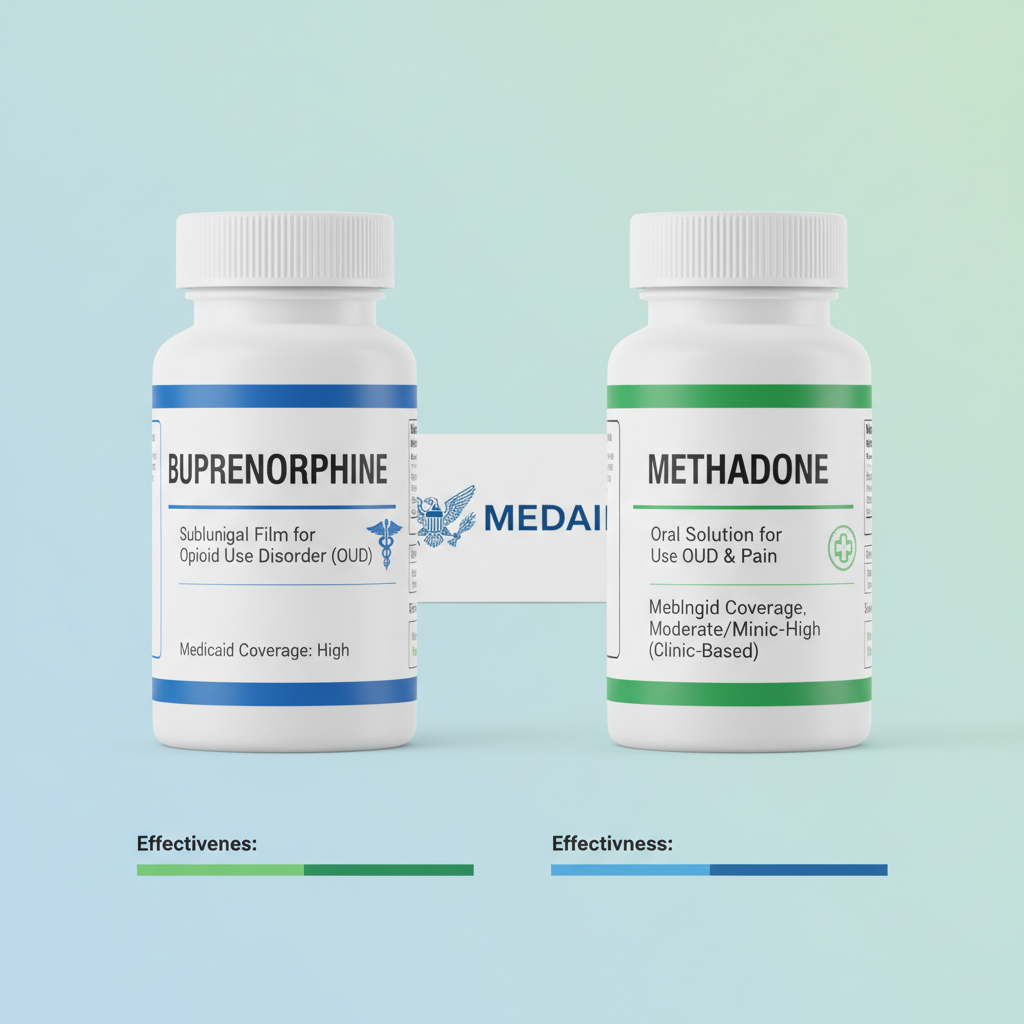
Medication-assisted treatment combines FDA-approved medicines with counseling and behavioral therapies to address opioid dependence. This approach stabilizes the brain’s chemistry, easing cravings so you can fully engage in therapy. At Addiction Treatment Centers of MD, we provide:
- Suboxone treatment to reduce withdrawal symptoms and cravings
- Methadone treatment for long-standing opioid dependency
- Medically assisted detox for more immediate symptom management
These options can be particularly valuable if you have tried to quit opioids in the past without success. By reducing the physical impact of withdrawal, you can invest more energy in learning healthier ways to cope and manage everyday stressors.
Benefits of a nonjudgmental approach
Enhancing emotional regulation
According to research, addiction can disrupt the brain’s stress response, making you more reactive to negative emotions and temptation (Longbranch Recovery). Compassionate care, however, helps activate regions in the prefrontal cortex responsible for executive functioning. As a result, you become better at:
- Controlling impulses
- Maintaining a balanced emotional outlook
- Coping with unexpected life events and triggers
When you know you are supported rather than shamed, you can gradually rebuild self-compassion, which enables healthier decision-making.
Fostering resilience through connection
A consistently supportive environment reminds you that you are worthy of help, even if you have experienced multiple relapses or setbacks. Such an approach reduces the hopelessness often associated with repeated attempts at sobriety. Research has shown that a strong therapeutic alliance can improve treatment retention, leading to better long-term results. In addition, empathy from care professionals dramatically increases trust, encourages honest communication, and helps you remain engaged in the recovery process.
Addressing multiple aspects of health
Mental health integration
Substance use can coincide with mood disorders, such as anxiety or depression. Our co-occurring disorders treatment addresses these intertwined challenges. By receiving care for mental health alongside addiction, you gain a comprehensive treatment pathway that safeguards against the cycles of relapse propelled by unmanaged psychological distress.
Along with counseling and medication where necessary, our team fosters an inclusive setting where you feel heard. If you struggle with persistent depression or anxiety, we also offer a psychiatric evaluation outpatient service. This holistic approach respects your entire well-being and ensures that no part of your recovery is overlooked.
Specialized recovery programs
Another way Addiction Treatment Centers of MD tailors services involves specialized programs for different life circumstances. Whether you are a teen seeking help or a pregnant individual requiring extra support, there are dedicated paths to meet your needs. We offer:
- Teen addiction treatment and youth outpatient addiction program for young people
- Pregnant women addiction treatment and postpartum addiction treatment for expectant and new mothers
- Men substance use program and women substance use program for gender-specific support
These tailored programs demonstrate our commitment to you as an individual. Our approach ensures that personal background, gender differences, and even domestic responsibilities are factored into care.
How DUI/DWI education aligns with compassion
Recognizing every individual’s potential
For many, DUI or DWI charges lead to feeling isolated or overwhelmed. While the legal consequences can be significant, a compassionate treatment center takes a human-centered approach. Instead of merely viewing these classes as a punishment, we recognize their value in fostering positive change. At Addiction Treatment Centers of MD, our court mandated dui classes aim to:
- Increase your understanding of how substance misuse affects self and others
- Equip you with healthier stress management strategies
- Break the cycle of repeated offenses by offering robust relapse prevention education
By supporting your emotional and behavioral needs, these classes help you understand the underlying factors that led to an unhealthy pattern with alcohol or drugs in the first place.
Combining accountability with empathy
Sometimes, the mere notion of facing the judicial system can be intimidating. Our approach removes cold, impersonal methods and replaces them with compassion, which is more effective in encouraging lasting behavioral change. Rather than dwell on mistakes, we help you focus on creating a strong, forward-thinking plan. Through facets like relapse prevention planning and aftercare support services, you learn to remain on track and transform feelings of regret into constructive motivation.
Practical services that support a compassionate approach
Coordinated case management
Addiction rarely occurs in a vacuum, so we connect you with local agencies and resources to make your day-to-day life more manageable. Our case coordination addiction service ensures that you have guidance in everything from legal obligations to stable housing referrals. Addressing these real-life challenges alongside treatment helps you sustain progress without undue stressors.
Integrating community outreach
We believe that your recovery does not end once you complete a program. Through our community outreach addiction efforts, you can remain involved with local support groups, mentoring, and continued therapy check-ups. This inclusive approach widens your safety net, reinforcing your motivation to uphold a healthy lifestyle.
Financial accessibility
Understanding the financial burdens some persons face, we also offer a supportive approach to payment plans or sliding-scale fees, when eligible. For instance, our sliding scale payment addiction system works to reduce financial barriers, so you can focus on your sobriety without worrying about cost. Additionally, many insurance providers cover addiction treatments or therapies required for long-term recovery, which helps lessen financial strain.
The importance of empathy-driven therapies
Encouraging self-compassion
Substance use disorders often go hand in hand with feelings of self-criticism. Compassion-based platforms do more than simply reduce stigma; they also enable you to practice self-worth. When you view yourself as a person deserving help, you become more responsive to therapies, take greater initiative in your daily routine, and maintain essential recovery commitments.
Therapeutic modalities such as mindfulness, acceptance-commitment therapy, or specialized recovery groups can enhance these positive mindsets. The presence of moral support emboldens you to grow past guilt and see that you have the power to make decisions aligned with your well-being.
Long-term mental health benefits
Individuals who receive consistent empathy from those guiding them through recovery tend to experience fewer spikes in stress hormones like cortisol (Longbranch Recovery). As your body experiences lower stress responses, you may notice improved sleep, sharpness in decision-making, and a stronger ability to nurture relationships. In essence, compassion not only makes you feel better at the moment but also protects you from sources of internal turmoil that can threaten sobriety.
Navigating relapse prevention with compassion
Accepting slip-ups
Relapse remains one of the biggest fears people face in recovery. A compassionate approach recognizes that progress is not always linear. Instead of seeing a brief return to substance use as a sign of failure, we help you reflect on potential triggers and identify new coping tactics. Through supportive programs like group therapy substance use, you receive insights and accountability from peers.
Strengthening coping mechanisms
Practices such as mindfulness, controlled breathing, or journaling can be integrated into relapse prevention. At Addiction Treatment Centers of MD, we also promote mara groups and sobriety support groups that connect you with individuals who have faced similar challenges. Sharing stories and learning from one another’s experiences build fortitude and mutual respect. This environment helps you embrace the reality that you are more than your addiction, and slip-ups do not erase your progress.
Upholding dignity in every step
Addressing co-occurring trauma
Unaddressed trauma can perpetuate substance use, making full recovery more difficult. Our team is dedicated to trauma-informed care, focusing on emotional safety and open communication. By identifying how trauma and addiction intersect, we can provide strategies to alleviate post-traumatic stress, manage potential flashbacks, and minimize related anxiety or depression.
Empowering you through education
Learning helps you feel in control of your journey. Whether you are participating in group therapy, taking part in alcohol counseling outpatient, or exploring anger management outpatient support, we provide education on the biology of addiction, coping tools, and how to maintain wellness. This knowledge empowers you to become your own advocate, making decisions that safeguard your mental and physical health in the long run.
Your path to a healthier future
Choosing compassionate care addiction services at Addiction Treatment Centers of MD is an investment in yourself or a loved one. Our entire framework aims to treat addiction not as a moral failing but as a condition with social, physical, and psychological dimensions that require a blend of clinical expertise and empathy. This combination sets you or your loved ones up for success.
Yet, treatment does not end with your last session or day in the program. Recovery is a continuous path that evolves as you encounter new life stages. A robust aftercare plan, complete with community support, medical follow-up, and emotional outlets, sustains the accomplishments of your primary treatment phase. We are here for the long haul, ready to celebrate every step forward and support you through moments of challenge.
Frequently asked questions
-
What makes compassionate care addiction services different from standard treatment?
Compassionate care services integrate empathy and a nonjudgmental approach into every treatment step. Research shows this fosters greater trust, reduces relapse rates, and enhances mental health by providing emotional safety and strengthening the therapeutic alliance. Standard treatments may be more clinical or symptom-focused without addressing the underlying emotional experiences that can hinder progress. -
How do I know if I or my loved one needs comprehensive opioid recovery?
Signs such as uncontrollable cravings, withdrawal symptoms, or difficulty fulfilling personal or work obligations due to substance use may suggest the need for professional help. If you also have co-occurring mental health issues, compassionate, personalized treatment can be especially beneficial. Our substance use counseling and other programs are designed to address both the physical and psychological side effects of addiction. -
Are DUI or DWI classes available if I have not been formally charged?
Yes, our court mandated dui classes can be taken preemptively by individuals wanting to gain knowledge and tools for safer driving and substance use awareness. Some participants enroll voluntarily to prevent future legal complications and address early warning signs of dependence. -
What level of family involvement is offered during treatment?
Family involvement is encouraged whenever possible. Our family counseling addiction program helps your loved ones learn to communicate effectively, understand the root causes of addiction, and provide constructive, empathetic support. This partnership often accelerates healing for everyone involved. -
Does insurance cover addiction treatments and counseling sessions?
Many insurance plans like those under the Affordable Care Act (ACA) cover mental health and substance use disorder treatments, including behavioral therapies and medication-assisted treatment. To clarify costs and coverage, you can visit our insurance verified addiction treatment page or contact our support staff to discuss the specifics of your insurance plan.
Compassionate care transforms lives by cultivating trust, fostering emotional safety, and ensuring that you or your loved one remains engaged in healing—even when obstacles or setbacks arise. At Addiction Treatment Centers of MD, you receive individualized treatment anchored in scientific best practices. Whether the hurdle is opioid recovery, court-mandated education, or a co-occurring mental health issue, our integrated programs, empathy-driven philosophy, and evidence-based tools help you move steadily toward lasting wellness. If you want to break free from substance use or encourage a family member to step into recovery, reach out today and discover how a compassionate framework can nurture real hope and transformation.